THE ADVENTURE COLLECTIVE® · Independent discovery and booking for outdoor travel

Escape Rio for a cool-day ascent into Petrópolis, the imperial summer city where palaces, a royal mausoleum and a celebrated brewery map Brazil’s 19th-century story. This guided day trip blends history, architecture and mountain air with practical tips for timing, gear and museum visits.
Escape Rio for a cool-day ascent into Petrópolis, the imperial summer city where palaces, a royal mausoleum and a celebrated brewery map Brazil’s 19th-century story. This guided day trip blends history, architecture and mountain air with practical tips for timing, gear and museum visits.
You leave Rio behind as the road climbs into the Serra dos Órgãos, the Atlantic Forest pressing close; mist clings to ridgelines and the air cools, daring you to breathe deeper. By mid-morning the cobbled streets of Petrópolis open up—broad façades of 19th-century stone and iron, a mature canopy shading cafés where coffee steam threads into the mountain air.
Verified experiences and guided adventures in the surrounding area.
Operated by Gregtur Turismo · Petrópolis, Rio de Janeiro
You leave Rio behind as the road climbs into the Serra dos Órgãos, the Atlantic Forest pressing close; mist clings to ridgelines and the air cools, daring you to breathe deeper. By mid-morning the cobbled streets of Petrópolis open up—broad façades of 19th-century stone and iron, a mature canopy shading cafés where coffee steam threads into the mountain air.
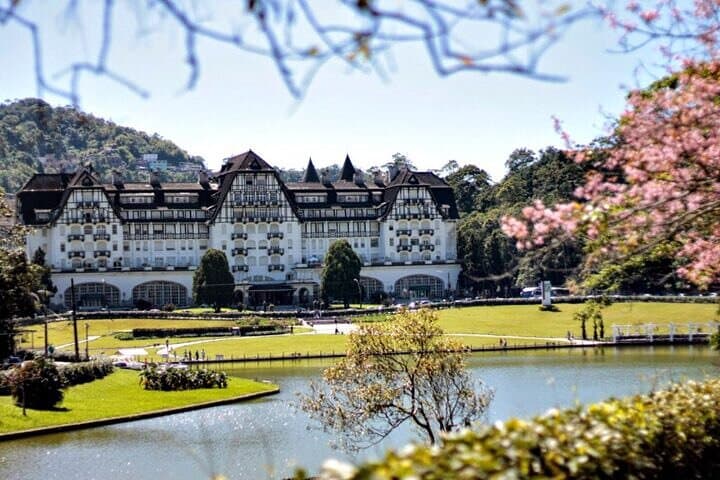
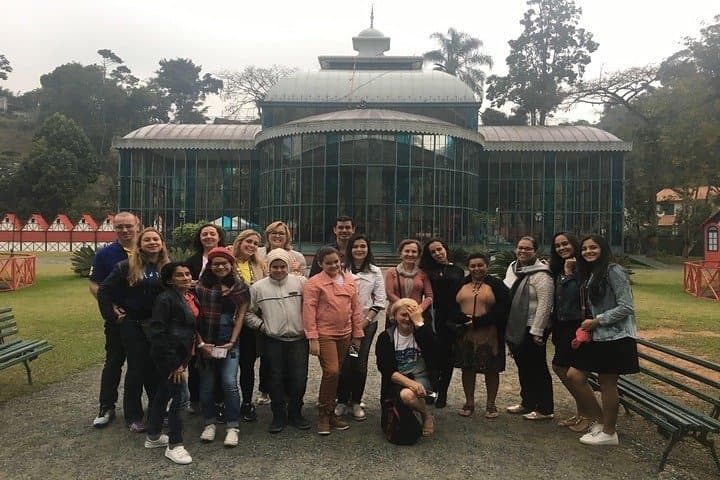
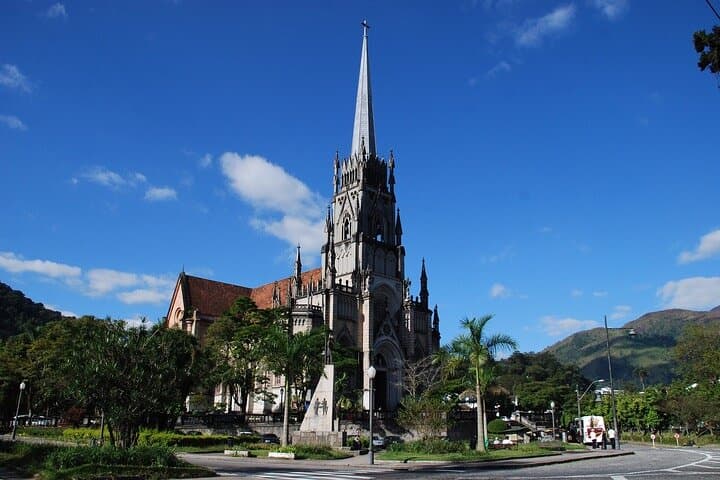
Founded in 1843 by Emperor Dom Pedro II as a mountain summer retreat, Petrópolis grew into Brazil’s de facto imperial capital for decades. Its buildings speak of imported materials and European taste—cast-iron pavilions, French Gothic churches, and mansions that recall Portugal and Germany. Geologically the town sits on the lower slopes of the Serra, where weathered granite and steep valleys shape viewpoints and microclimates; sudden fog and bright sun compete in a single hour.
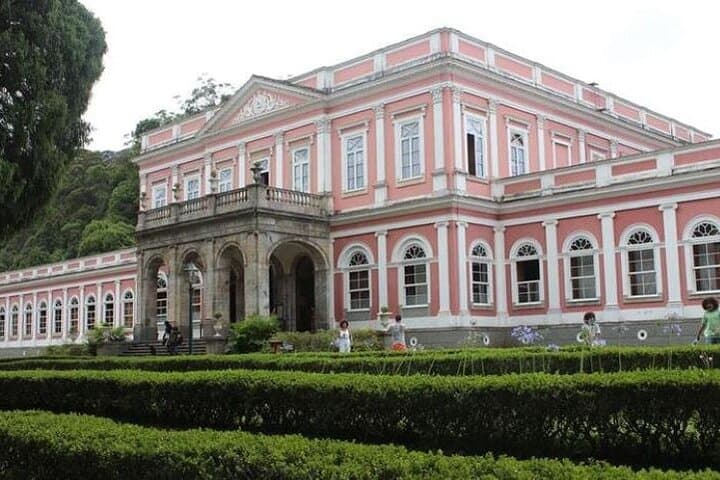
Culturally the city trades in history and craft: the Imperial Museum’s silver service and the Emperor’s study, Santos Dumont’s compact, inventive house, and the surprisingly modern Brewery Bohemia with its tasting rooms. Local gastronomy mixes Germanic influences with Brazilian produce—sausages and stews alongside fresh mountain greens.
Practical guidance: plan a full day (about 10 hours) with comfortable walking shoes and layered clothing—temperatures sit around 800–900 m elevation and shift quickly. Many entrance fees and hotel pick-up are included on packaged tours, but bring small cash for market stalls and extended tastings. Aim to start early to avoid crowds at the Imperial Museum and save late afternoon for a quieter stroll by Praça da Liberdade. Respect museum rules, watch for slippery cobbles when wet, and leave time for one brewery tasting or a riverside café break.
easy.
10 hours.
Minimal fitness required—expect several short walks, standing in museum rooms, and cobbled streets.
Yes—most tours include pick-up and drop-off within Rio city limits; confirm your pickup time and exact meeting point on booking.
This itinerary states entrance fees for listed attractions are included, but verify details for any optional stops or special exhibitions.
Meals are generally not included; tours usually stop at restaurants or breweries where you can pay for food and tastings separately.
Guides are licensed professionals; language availability can vary—request English or Portuguese service when booking to confirm.
Petrópolis was established in 1843 by Emperor Dom Pedro II as a cooler mountain retreat and later housed the imperial family’s summer palaces and mausoleum.
The city sits in remnant Atlantic Forest; stay on public paths, avoid feeding wildlife, and support local businesses that minimize waste to help protect fragile mountain ecosystems.
Gregtur Turismo operates guided outdoor trips and adventures with an emphasis on safety, stewardship, and memorable experiences.
You leave Rio behind as the road climbs into the Serra dos Órgãos, the Atlantic Forest pressing close; mist clings to ridgelines and the air cools, daring you to breathe deeper. By mid-morning the cobbled streets of Petrópolis open up—broad façades of 19th-century stone and iron, a mature canopy shading cafés where coffee steam threads into the mountain air.
You leave Rio behind as the road climbs into the Serra dos Órgãos, the Atlantic Forest pressing close; mist clings to ridgelines and the air cools, daring you to breathe deeper. By mid-morning the cobbled streets of Petrópolis open up—broad façades of 19th-century stone and iron, a mature canopy shading cafés where coffee steam threads into the mountain air.
Founded in 1843 by Emperor Dom Pedro II as a mountain summer retreat, Petrópolis grew into Brazil’s de facto imperial capital for decades. Its buildings speak of imported materials and European taste—cast-iron pavilions, French Gothic churches, and mansions that recall Portugal and Germany. Geologically the town sits on the lower slopes of the Serra, where weathered granite and steep valleys shape viewpoints and microclimates; sudden fog and bright sun compete in a single hour.
Culturally the city trades in history and craft: the Imperial Museum’s silver service and the Emperor’s study, Santos Dumont’s compact, inventive house, and the surprisingly modern Brewery Bohemia with its tasting rooms. Local gastronomy mixes Germanic influences with Brazilian produce—sausages and stews alongside fresh mountain greens.
Practical guidance: plan a full day (about 10 hours) with comfortable walking shoes and layered clothing—temperatures sit around 800–900 m elevation and shift quickly. Many entrance fees and hotel pick-up are included on packaged tours, but bring small cash for market stalls and extended tastings. Aim to start early to avoid crowds at the Imperial Museum and save late afternoon for a quieter stroll by Praça da Liberdade. Respect museum rules, watch for slippery cobbles when wet, and leave time for one brewery tasting or a riverside café break.