THE ADVENTURE COLLECTIVE® · Independent discovery and booking for outdoor travel

Travel from Hue to Phong Nha for a full day that pairs Quang Tri's wartime landmarks with a guided visit to Paradise Cave — Asia's longest dry cave. This practical guide covers what to expect, how the cave formed, and tips for an efficient, comfortable visit.
Travel from Hue to Phong Nha for a full day that pairs Quang Tri's wartime landmarks with a guided visit to Paradise Cave — Asia's longest dry cave. This practical guide covers what to expect, how the cave formed, and tips for an efficient, comfortable visit.
Mist hangs over the coastal road as the minibus eases out of Hue before dawn, the Perfume River shrinking behind rows of palm trees. By mid-morning the landscape has shifted: rice paddies flatten into open plains, and low karst ridges slip into view as the tour threads toward Quang Binh and Phong Nha-Kẻ Bàng National Park.
Verified experiences and guided adventures in the surrounding area.
Operated by Under2 · Phong Nha, Quang Binh
Mist hangs over the coastal road as the minibus eases out of Hue before dawn, the Perfume River shrinking behind rows of palm trees. By mid-morning the landscape has shifted: rice paddies flatten into open plains, and low karst ridges slip into view as the tour threads toward Quang Binh and Phong Nha-Kẻ Bàng National Park.
The itinerary stitches together two sides of Central Vietnam — revolutionary history at Hien Luong Bridge and the Ben Hai River, then the subterranean showpiece of Paradise Cave (Hang Thiên Đường). Discovered by a British caving team in 2005 and promoted as Asia's longest dry cave, the passage opens suddenly after a narrow entrance; the high vaulted ceiling reveals ornate stalactites and columns given informal names by visitors who see temples, terraces, and even Buddha figures in the stone.
Geology here is old limestone folded by plate tectonics and carved by water over millions of years; surface karst and underground galleries tell the same long story. Cultural context arrives on the drive: Quang Tri's wartime sites and La Vang Holy Land evoke 20th-century struggles that shaped communities along this coast.
Practicalities: the full-day tour runs about 10–12 hours from Hue, includes hotel pickup, lunch in Phong Nha, tram transfer to the cave foothill, and entrance fees. Expect humid heat on the approach and cooler, damp air inside the cave; paths are lit but uneven, and there are steps. Bring sturdy shoes, water, a light rain layer in monsoon months, and modest behavior at historical sites. Timing your visit for morning departures avoids the afternoon crowds and hottest sun.
easy.
10–12 hours.
Suitable for travelers in average physical condition who can walk and stand for up to two hours and manage steps; not recommended for those with serious cardiovascular issues.
The tour is approximately 10–12 hours with early-morning pickup from Hue; check your confirmation for the exact pickup window.
Yes — the tour includes lunch, Paradise Cave admission, tram transfer to the cave foothill, and one bottle of water per guest.
The walk inside is manageable for most ages but involves steps and uneven ground; infants must sit on an adult's lap on the vehicle, and travelers with serious heart problems are advised not to participate.
Photography is allowed; the cave is lit but lighting can be low—bring a camera with good low-light performance or use a phone camera with stabilization.
The route passes Hien Luong Bridge and the Ben Hai River, long symbolic division lines during the Vietnam War; La Vang is a major Catholic pilgrimage site with roots in local religious history.
Phong Nha-Kẻ Bàng is a UNESCO World Heritage site — stick to trails and avoid touching formations to protect delicate speleothems and underground habitats.
Under2 operates guided outdoor trips and adventures with an emphasis on safety, stewardship, and memorable experiences.
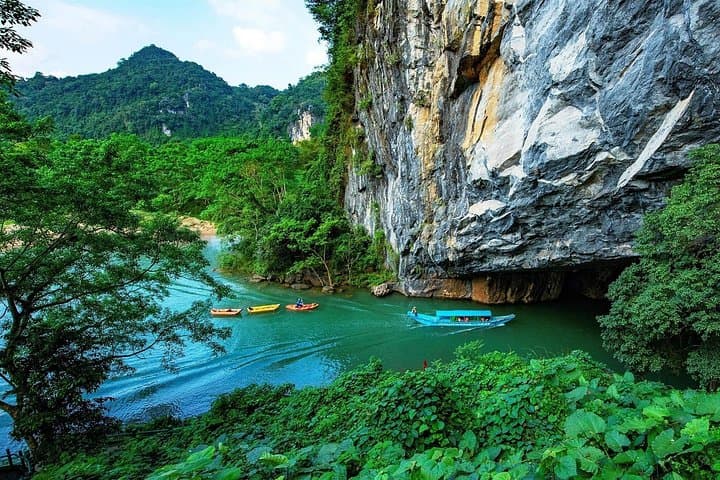
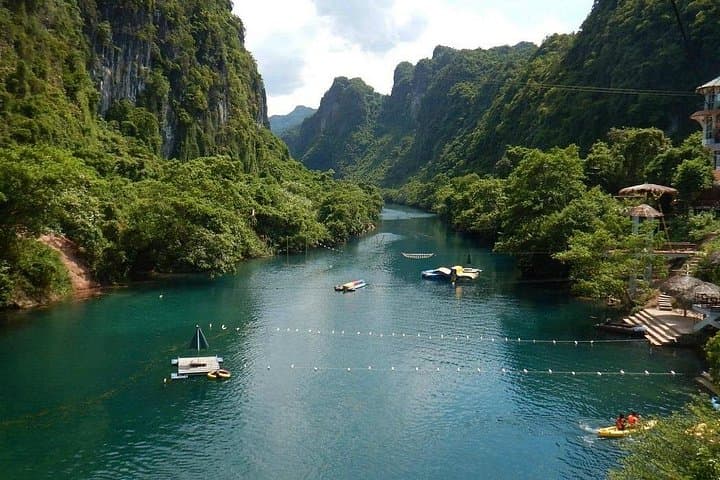
Mist hangs over the coastal road as the minibus eases out of Hue before dawn, the Perfume River shrinking behind rows of palm trees. By mid-morning the landscape has shifted: rice paddies flatten into open plains, and low karst ridges slip into view as the tour threads toward Quang Binh and Phong Nha-Kẻ Bàng National Park.
Mist hangs over the coastal road as the minibus eases out of Hue before dawn, the Perfume River shrinking behind rows of palm trees. By mid-morning the landscape has shifted: rice paddies flatten into open plains, and low karst ridges slip into view as the tour threads toward Quang Binh and Phong Nha-Kẻ Bàng National Park.
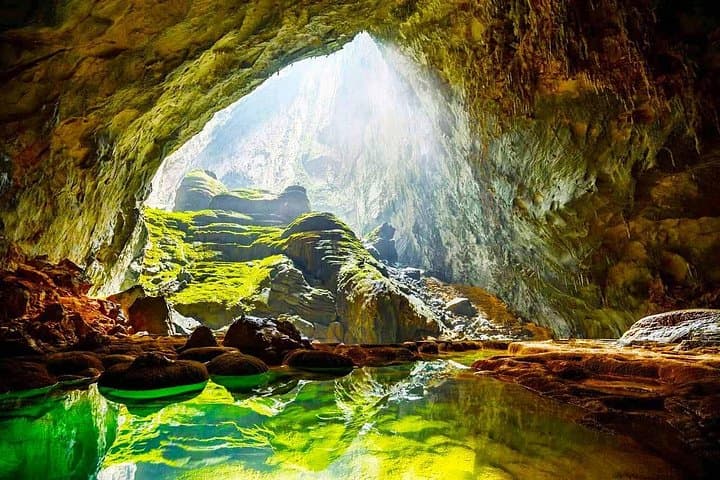
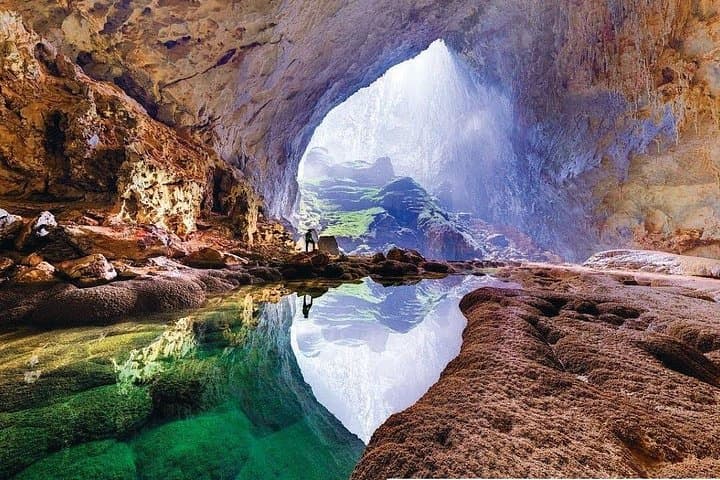
The itinerary stitches together two sides of Central Vietnam — revolutionary history at Hien Luong Bridge and the Ben Hai River, then the subterranean showpiece of Paradise Cave (Hang Thiên Đường). Discovered by a British caving team in 2005 and promoted as Asia's longest dry cave, the passage opens suddenly after a narrow entrance; the high vaulted ceiling reveals ornate stalactites and columns given informal names by visitors who see temples, terraces, and even Buddha figures in the stone.
Geology here is old limestone folded by plate tectonics and carved by water over millions of years; surface karst and underground galleries tell the same long story. Cultural context arrives on the drive: Quang Tri's wartime sites and La Vang Holy Land evoke 20th-century struggles that shaped communities along this coast.
Practicalities: the full-day tour runs about 10–12 hours from Hue, includes hotel pickup, lunch in Phong Nha, tram transfer to the cave foothill, and entrance fees. Expect humid heat on the approach and cooler, damp air inside the cave; paths are lit but uneven, and there are steps. Bring sturdy shoes, water, a light rain layer in monsoon months, and modest behavior at historical sites. Timing your visit for morning departures avoids the afternoon crowds and hottest sun.