THE ADVENTURE COLLECTIVE® · Independent discovery and booking for outdoor travel

Head north from Asunción along the Transchaco to Pai Pukú, a boarding-school community where vocational training, organic gardens and carpentry support students from the Paraguayan Chaco. Expect riverside birding, cultural exchange, and a six- to eight-hour day with modest walking.
Head north from Asunción along the Transchaco to Pai Pukú, a boarding-school community where vocational training, organic gardens and carpentry support students from the Paraguayan Chaco. Expect riverside birding, cultural exchange, and a six- to eight-hour day with modest walking.
You leave Asunción before sunrise, the city light thinning as the Transchaco road stretches north—flat horizons, distant scrub, and the constant wind that gives the Chaco its character.
Verified experiences and guided adventures in the surrounding area.
Operated by Discover South America SRL · Asunción, Asunción
You leave Asunción before sunrise, the city light thinning as the Transchaco road stretches north—flat horizons, distant scrub, and the constant wind that gives the Chaco its character.
The first stop is Villa Hayes, where a short riverside walk along the Paraguay River loosens the travel rust and introduces the region’s seasonal waterbirds. Further along the Transchaco you cross landscapes of thorny scrub and low palms; the road and occasional estancias frame a land shaped by dry soils and resilient vegetation.
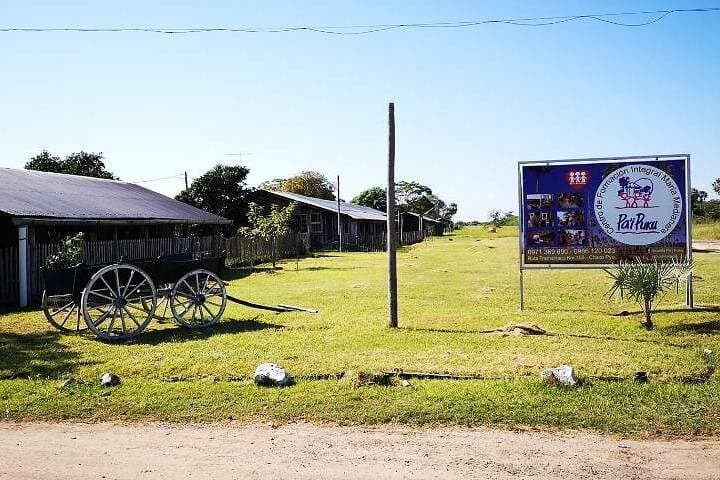
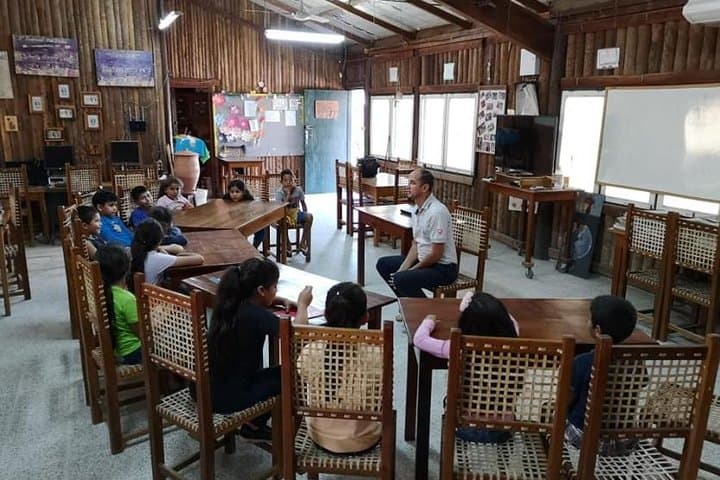
At the Pai Pukú (María Medianera) school the story becomes human-scale: founded in June 1965 by Belgian priest Pedro Shaw, the centre provides full education and boarding for children from remote Chaco communities. Buildings use local materials such as karanday and palm; students run organic gardens, livestock programs and small-scale carpentry and sewing workshops that fund much of the school’s upkeep.
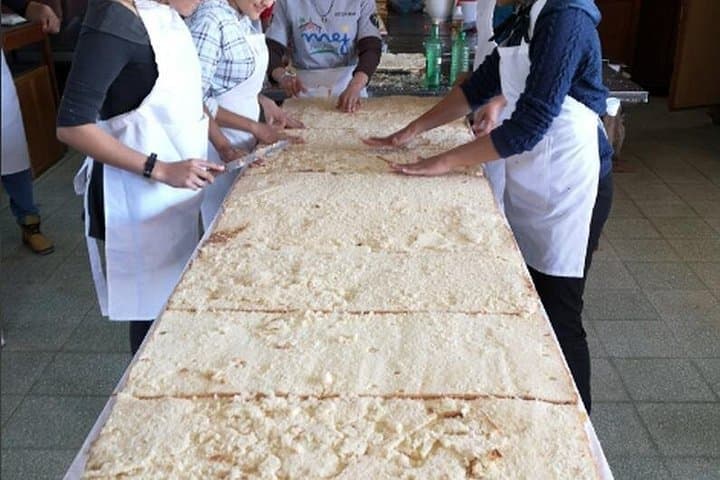
You’ll see practical vocational training in action—beekeeping, furniture production, and rural health outreach—all part of a self-administration model that keeps nearly 90% of pupils living on campus during the school year.
Practical guidance: expect a 6–8 hour day with vehicle transfers on paved and unpaved Transchaco sections; bring sun protection, insect repellent, refillable water, and a modest camera. The tour includes air-conditioned transport and a couple of short walks—pace is relaxed but the day starts early. Respect the school’s schedules and privacy: ask before photographing students, and consider small donations or supplies directed through the Pai Pukú Foundation rather than direct gifts.
easy.
6–8 hours.
Suitable for average fitness — mostly sitting in transport with short, flat walks on arrival and at Villa Hayes
Pickup is in Asunción (Villa Morra/Las Carmelitas area) in the early morning and returns to Asunción in the afternoon.
Yes — the itinerary notes it’s suitable for all fitness levels and infants can travel, but expect a long day; follow staff guidance around dorm and workshop areas.
Small purchases of student-made furniture or crafts through the Pai Pukú Foundation are welcomed; ask guides how to make donations so funds reach the school properly.
Expect a variety of river and wetland birds at Villa Hayes and along the route; sightings depend on season and water levels.
Pai Pukú (María Medianera) opened in June 1965 through the work of Belgian priest Pedro Shaw; it has served remote Chaco communities ever since with boarding and polyprofessional training.
The school emphasizes self-sufficiency through organic gardens and sustainable workshops; visitors are encouraged to minimize waste, use refillable bottles, and support the foundation’s formal donation channels.
Discover South America SRL operates guided outdoor trips and adventures with an emphasis on safety, stewardship, and memorable experiences.
You leave Asunción before sunrise, the city light thinning as the Transchaco road stretches north—flat horizons, distant scrub, and the constant wind that gives the Chaco its character.
You leave Asunción before sunrise, the city light thinning as the Transchaco road stretches north—flat horizons, distant scrub, and the constant wind that gives the Chaco its character.
The first stop is Villa Hayes, where a short riverside walk along the Paraguay River loosens the travel rust and introduces the region’s seasonal waterbirds. Further along the Transchaco you cross landscapes of thorny scrub and low palms; the road and occasional estancias frame a land shaped by dry soils and resilient vegetation.
At the Pai Pukú (María Medianera) school the story becomes human-scale: founded in June 1965 by Belgian priest Pedro Shaw, the centre provides full education and boarding for children from remote Chaco communities. Buildings use local materials such as karanday and palm; students run organic gardens, livestock programs and small-scale carpentry and sewing workshops that fund much of the school’s upkeep.
You’ll see practical vocational training in action—beekeeping, furniture production, and rural health outreach—all part of a self-administration model that keeps nearly 90% of pupils living on campus during the school year.
Practical guidance: expect a 6–8 hour day with vehicle transfers on paved and unpaved Transchaco sections; bring sun protection, insect repellent, refillable water, and a modest camera. The tour includes air-conditioned transport and a couple of short walks—pace is relaxed but the day starts early. Respect the school’s schedules and privacy: ask before photographing students, and consider small donations or supplies directed through the Pai Pukú Foundation rather than direct gifts.