THE ADVENTURE COLLECTIVE® · Independent discovery and booking for outdoor travel

A private day trip from Marrakech to Ouzoud delivers thundering cascades, olive terraces and optional boat rides under a 110‑meter drop. This practical guide covers routes, what to pack, and how to get the most from a full‑day outing.
A private day trip from Marrakech to Ouzoud delivers thundering cascades, olive terraces and optional boat rides under a 110‑meter drop. This practical guide covers routes, what to pack, and how to get the most from a full‑day outing.
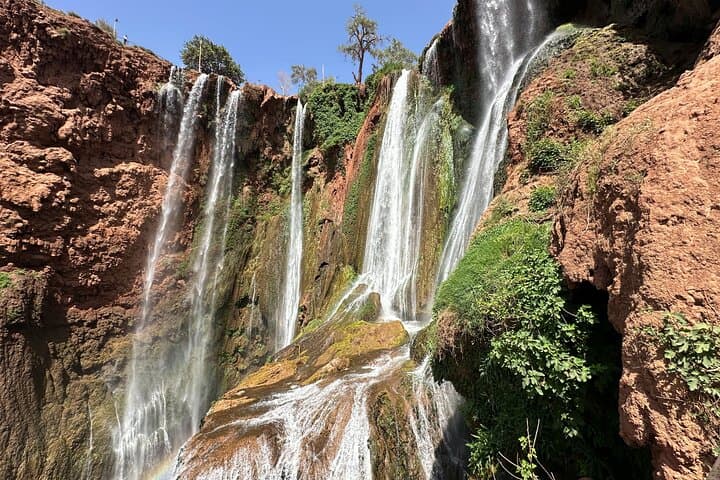
You know you’ve arrived before you can see the falls: the road narrows, olive trees gather on terraces, and a cool, mineral scent rides the wind. On a private Ouzoud excursion from Marrakech the first glimpses are auditory — a distant roar that swells into mist as the valley opens. The El-Abid River tumbles in a series of steps, spilling down roughly 110 meters across red-ochre cliffs into emerald pools below. A day here feels like a natural amphitheater built for water.
Verified experiences and guided adventures in the surrounding area.
Operated by Red City Tours Marrakech · Ouzoud, Azilal Province
You know you’ve arrived before you can see the falls: the road narrows, olive trees gather on terraces, and a cool, mineral scent rides the wind. On a private Ouzoud excursion from Marrakech the first glimpses are auditory — a distant roar that swells into mist as the valley opens. The El-Abid River tumbles in a series of steps, spilling down roughly 110 meters across red-ochre cliffs into emerald pools below. A day here feels like a natural amphitheater built for water.
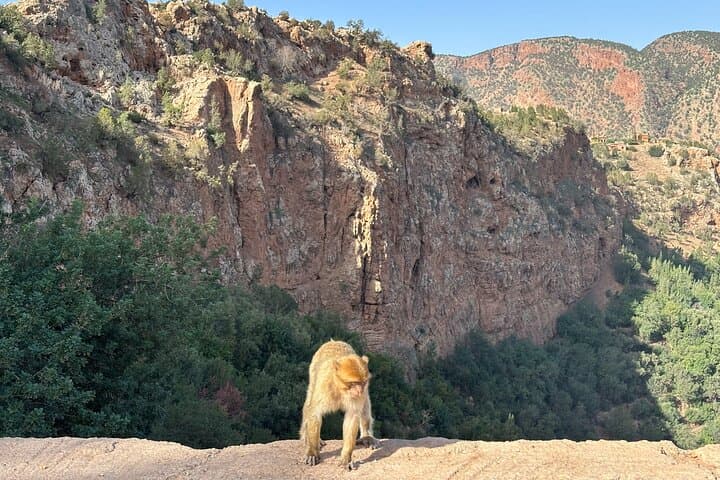
Geology and human history meet along the trail. The falls cut through folded sedimentary rock and terraces that local farmers have tended for generations; the landscape owes its color to iron-rich soils and the slow work of erosion. Villages around Ouzoud are largely Berber-speaking; small cafés and restaurants cling to the rim, offering tagines and mint tea with views. Boatmen, a modern addition for visitors, navigate the pool beneath the largest drop, while mule and foot trails trace older routes people used to move olives and goods between terraces.
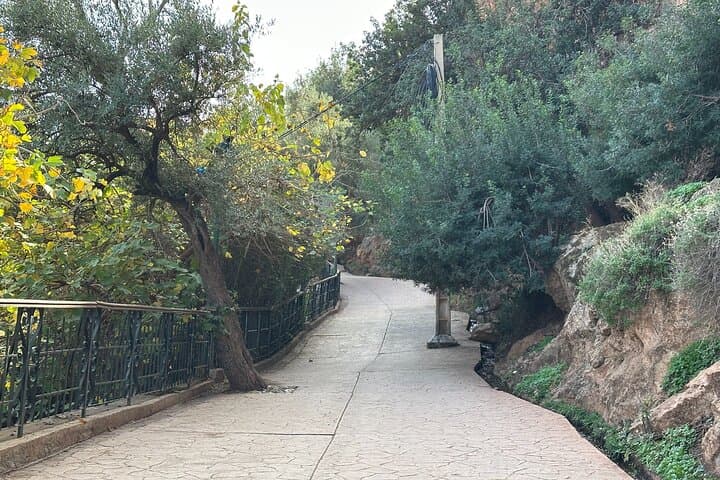
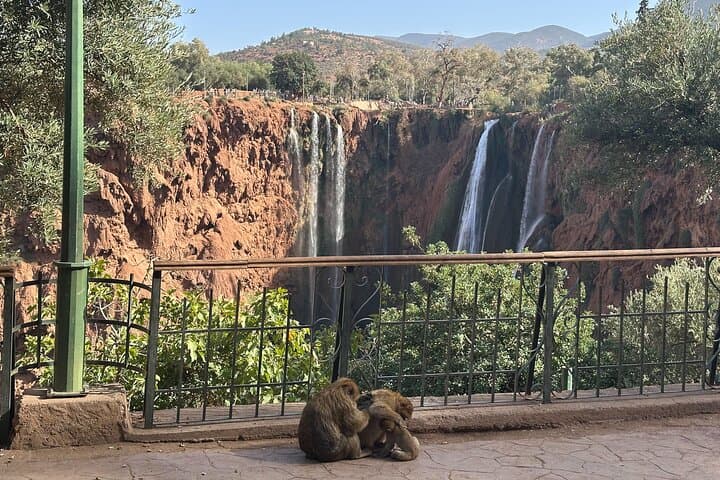
The experience is straightforward and sensory: a 2.5–3 hour drive from Marrakech (about 150–170 km each way), a series of stone and packed-earth trails totaling roughly 2–4 km of walking with an ascent and descent near 150 meters, and plenty of viewpoints where spray paints rainbows across the canyon. Most visitors follow the main path down to the base and cross to look up at the three principal cascades; those who add a boat ride get close enough to feel the mist on their face.
Practical edge: this is a full-day outing (expect about 10 hours door-to-door). Wear sturdy shoes—slippery rock and uneven steps are the norm—and bring water, sun protection, and some cash for lunch and tips. If you choose a local guide, they’ll explain village life and point to goats tucked into terraces; guides also help time the boat trip to avoid crowds. Avoid swimming near the main plunge; currents and submerged rocks make the pool unpredictable.
Timing matters: arrive early—morning light brings sharper views and quieter trails—or later in the afternoon when the heat softens. Seasons change the mood: spring brings a fuller river and bright flowers on the path; summer fills the terraces with shimmering heat; fall cools the air and invites longer lunches; winter can be dramatic after storms, when the falls run highest.
For a single day out of Marrakech, Ouzoud offers a compact, rewarding blend of geology, local culture and clear-water drama — an easy-to-access reminder that Morocco’s landscapes are as varied as its medina alleys.
moderate.
10 hours (full day).
Moderate fitness—able to handle 2–4 km of uneven hiking with a 150 m elevation change and stairs.
Expect about 2.5–3 hours each way (roughly 150–170 km) depending on traffic and stops.
The boat ride is optional—choose it when booking or pay locally depending on the operator’s policy.
While some people swim in calmer pools, swimming near the main plunge is not advised due to currents and submerged rocks.
Yes—families are welcome, but children should be supervised near cliff edges and water; strollers are usable on some paths.
Lunch is typically not included; there are riverside restaurants with tagine, salads and snacks at the site.
A guide isn’t required for viewpoints, but a local guide adds cultural context, helps with boat logistics and keeps you on lesser paths.
The Ouzoud area has long been a mountain farming region where Berber communities managed olive terraces and local water systems that shaped the valley.
Increased tourism has pressured trails and waste systems; support local businesses, stick to paths, and carry out any litter to protect river health.
Red City Tours Marrakech operates guided outdoor trips and adventures with an emphasis on safety, stewardship, and memorable experiences.
You know you’ve arrived before you can see the falls: the road narrows, olive trees gather on terraces, and a cool, mineral scent rides the wind. On a private Ouzoud excursion from Marrakech the first glimpses are auditory — a distant roar that swells into mist as the valley opens. The El-Abid River tumbles in a series of steps, spilling down roughly 110 meters across red-ochre cliffs into emerald pools below. A day here feels like a natural amphitheater built for water.
You know you’ve arrived before you can see the falls: the road narrows, olive trees gather on terraces, and a cool, mineral scent rides the wind. On a private Ouzoud excursion from Marrakech the first glimpses are auditory — a distant roar that swells into mist as the valley opens. The El-Abid River tumbles in a series of steps, spilling down roughly 110 meters across red-ochre cliffs into emerald pools below. A day here feels like a natural amphitheater built for water.
Geology and human history meet along the trail. The falls cut through folded sedimentary rock and terraces that local farmers have tended for generations; the landscape owes its color to iron-rich soils and the slow work of erosion. Villages around Ouzoud are largely Berber-speaking; small cafés and restaurants cling to the rim, offering tagines and mint tea with views. Boatmen, a modern addition for visitors, navigate the pool beneath the largest drop, while mule and foot trails trace older routes people used to move olives and goods between terraces.
The experience is straightforward and sensory: a 2.5–3 hour drive from Marrakech (about 150–170 km each way), a series of stone and packed-earth trails totaling roughly 2–4 km of walking with an ascent and descent near 150 meters, and plenty of viewpoints where spray paints rainbows across the canyon. Most visitors follow the main path down to the base and cross to look up at the three principal cascades; those who add a boat ride get close enough to feel the mist on their face.
Practical edge: this is a full-day outing (expect about 10 hours door-to-door). Wear sturdy shoes—slippery rock and uneven steps are the norm—and bring water, sun protection, and some cash for lunch and tips. If you choose a local guide, they’ll explain village life and point to goats tucked into terraces; guides also help time the boat trip to avoid crowds. Avoid swimming near the main plunge; currents and submerged rocks make the pool unpredictable.
Timing matters: arrive early—morning light brings sharper views and quieter trails—or later in the afternoon when the heat softens. Seasons change the mood: spring brings a fuller river and bright flowers on the path; summer fills the terraces with shimmering heat; fall cools the air and invites longer lunches; winter can be dramatic after storms, when the falls run highest.
For a single day out of Marrakech, Ouzoud offers a compact, rewarding blend of geology, local culture and clear-water drama — an easy-to-access reminder that Morocco’s landscapes are as varied as its medina alleys.