THE ADVENTURE COLLECTIVE® · Independent discovery and booking for outdoor travel

Leave Marrakech for a full-day escape to Ouzoud: a 110m waterfall carved through limestone, olive terraces, and an easy guided circuit that ends with a lakeside tajine. This practical guide tells you what to expect, how to prepare, and where to find the best viewpoints.
Leave Marrakech for a full-day escape to Ouzoud: a 110m waterfall carved through limestone, olive terraces, and an easy guided circuit that ends with a lakeside tajine. This practical guide tells you what to expect, how to prepare, and where to find the best viewpoints.
The minibus slips out of Marrakech while the city still breathes sleep; red clay houses thin into scrub and then into swaying olive orchards. By mid-morning the engine's hum is replaced by a steady roar — river water dropping over a cliff — and the first view of Ouzoud opens: a curtain of white falling 110 meters (about 360 feet) into a green-flecked gorge. Spray hawks the sun, and the air tastes of wet stone and grilled coriander.
Verified experiences and guided adventures in the surrounding area.
Operated by TRAKECH TOURS · Ouzoud, Beni Mellal-Khénifra
The minibus slips out of Marrakech while the city still breathes sleep; red clay houses thin into scrub and then into swaying olive orchards. By mid-morning the engine's hum is replaced by a steady roar — river water dropping over a cliff — and the first view of Ouzoud opens: a curtain of white falling 110 meters (about 360 feet) into a green-flecked gorge. Spray hawks the sun, and the air tastes of wet stone and grilled coriander.
Ouzoud sits on the edge of the High Atlas foothills in the historic Amazigh (Berber) lands. The falls are carved where the El-Abid (River of the Slaves) has cut down through Miocene limestones and clay, creating stepped drops framed by terraces of olive trees that local families tend. The name Ouzoud comes from the Amazigh word for “oil” — a nod to the centuries-old olive cultivation that still supports the valley's villages. Guides here are often local and combine trail knowledge with stories about seasonal agriculture, mule transport and how the gorge has shaped settlement patterns.
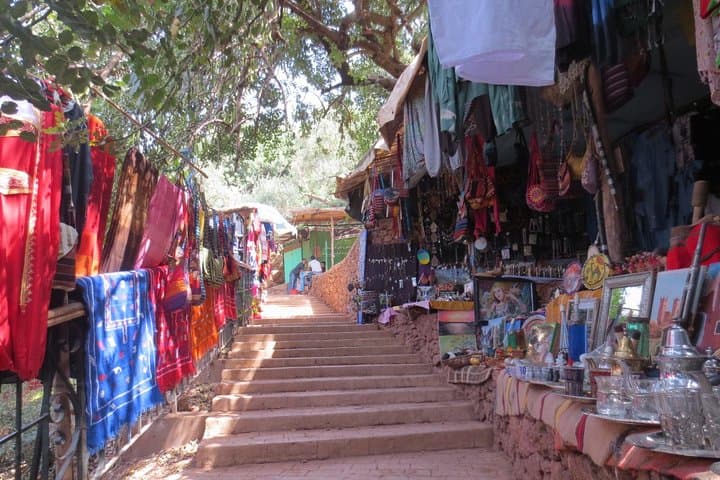
On the walking route, well-built paths zig and switch toward viewpoints and the river below. The guide will lead a roughly two-hour circuit: cliff-edge lookouts, a stair-steep descent to the base, and quiet moments where the falls push mist across your face like a brisk invitation. Expect stone steps, narrow ledges and slick rock near the water — traction matters more than speed.
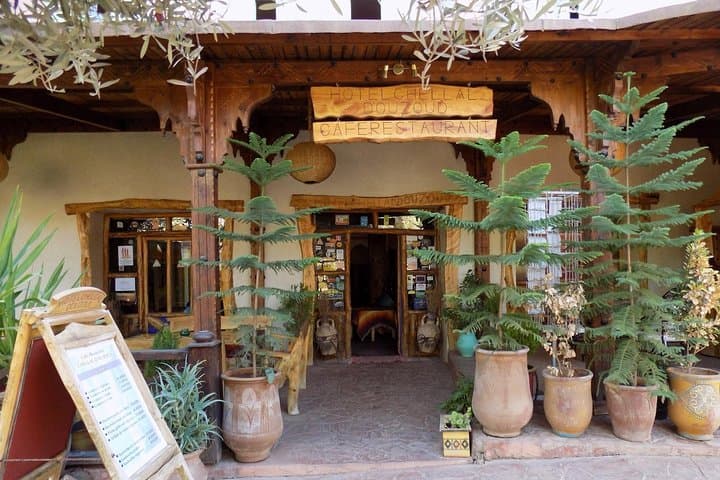
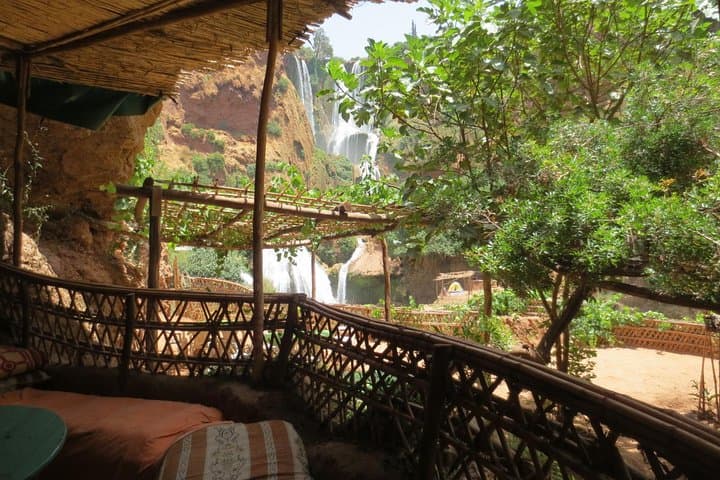
Lunch is part of the day: a communal tajine served at a café beside the stream, where you can watch waterbirds and the occasional Barbary macaque threading the olive branches. Bring small bills for local vendors and a tip for your guide; tourism is a vital income stream for the canyon settlements.
Practical snapshot: the round trip from Marrakech is about 150 km each way and the full excursion runs 8–9 hours (vehicle AC and a professional driver included). The walking portion is accessible to most fit travelers but involves uneven terrain and a descent/ascent that can challenge knee joints.
Timing matters — arrive earlier in the day to avoid large tour crowds and the midday sun, and leave no trace: stick to paths, refuse single-use plastics, and don’t feed wildlife. With steady shoes, layered clothes, and sun protection, Ouzoud is a day where geology, culture and active travel meet — and where the falls, in a voice of their own, keep drawing people back to the gorge.
moderate.
8–9 hours.
Suitable for generally active travelers comfortable with a couple hours of uneven walking and a steep return climb
The trip is about 150 km each way and takes roughly 1h45–2h30 depending on traffic and exact pickup location.
The guided walking portion is moderate: well-maintained paths and stone steps with some steep sections; not technical but requires steady footing.
Lunch is typically available at a café by the stream; the tour notes lunch at leisure—confirm whether a meal is provided or if you pay onsite.
Yes—many families join, but infants should sit on laps during transit and parents should supervise near the water and steep edges.
You may see Barbary macaques and a variety of birds; avoid feeding animals to prevent habituation and conflict.
Tipping is customary; consider €5–€10 per person for the guide and a smaller amount for the driver, depending on service.
The Ouzoud area is within traditional Amazigh lands; olive cultivation here dates back centuries and the terraces remain central to village economies.
Stick to marked trails, pack out waste, and avoid buying wildlife-fed snacks—local groups encourage sustainable tourism to protect habitats and incomes.
TRAKECH TOURS operates guided outdoor trips and adventures with an emphasis on safety, stewardship, and memorable experiences.
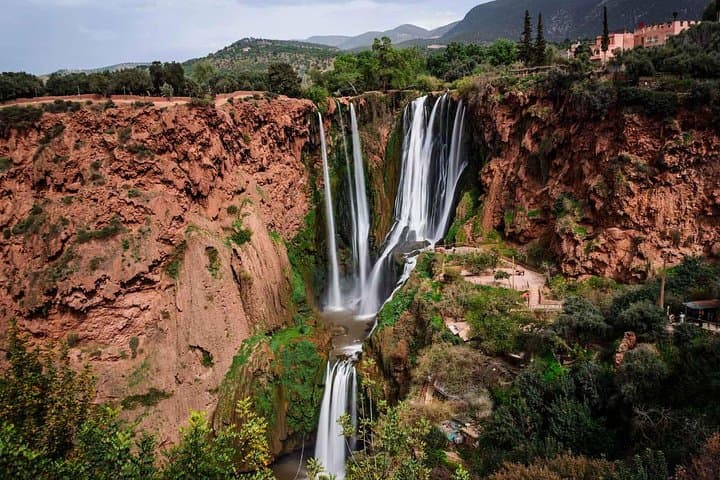
The minibus slips out of Marrakech while the city still breathes sleep; red clay houses thin into scrub and then into swaying olive orchards. By mid-morning the engine's hum is replaced by a steady roar — river water dropping over a cliff — and the first view of Ouzoud opens: a curtain of white falling 110 meters (about 360 feet) into a green-flecked gorge. Spray hawks the sun, and the air tastes of wet stone and grilled coriander.
The minibus slips out of Marrakech while the city still breathes sleep; red clay houses thin into scrub and then into swaying olive orchards. By mid-morning the engine's hum is replaced by a steady roar — river water dropping over a cliff — and the first view of Ouzoud opens: a curtain of white falling 110 meters (about 360 feet) into a green-flecked gorge. Spray hawks the sun, and the air tastes of wet stone and grilled coriander.
Ouzoud sits on the edge of the High Atlas foothills in the historic Amazigh (Berber) lands. The falls are carved where the El-Abid (River of the Slaves) has cut down through Miocene limestones and clay, creating stepped drops framed by terraces of olive trees that local families tend. The name Ouzoud comes from the Amazigh word for “oil” — a nod to the centuries-old olive cultivation that still supports the valley's villages. Guides here are often local and combine trail knowledge with stories about seasonal agriculture, mule transport and how the gorge has shaped settlement patterns.
On the walking route, well-built paths zig and switch toward viewpoints and the river below. The guide will lead a roughly two-hour circuit: cliff-edge lookouts, a stair-steep descent to the base, and quiet moments where the falls push mist across your face like a brisk invitation. Expect stone steps, narrow ledges and slick rock near the water — traction matters more than speed.
Lunch is part of the day: a communal tajine served at a café beside the stream, where you can watch waterbirds and the occasional Barbary macaque threading the olive branches. Bring small bills for local vendors and a tip for your guide; tourism is a vital income stream for the canyon settlements.
Practical snapshot: the round trip from Marrakech is about 150 km each way and the full excursion runs 8–9 hours (vehicle AC and a professional driver included). The walking portion is accessible to most fit travelers but involves uneven terrain and a descent/ascent that can challenge knee joints.
Timing matters — arrive earlier in the day to avoid large tour crowds and the midday sun, and leave no trace: stick to paths, refuse single-use plastics, and don’t feed wildlife. With steady shoes, layered clothes, and sun protection, Ouzoud is a day where geology, culture and active travel meet — and where the falls, in a voice of their own, keep drawing people back to the gorge.