
Day Trip to Ouzoud Waterfalls from Marrakech: Guide to the 300-Foot Cascades
About three hours from Marrakech, Ouzoud Waterfalls unfolds as a multi-tiered cascade set against red sandstone and olive groves. This practical guide helps you picture the route, what to expect on the trails, and how to get the most from a long but rewarding day trip.
An Adventure In Marrakech.
About three hours from Marrakech, Ouzoud Waterfalls unfolds as a multi-tiered cascade set against red sandstone and olive groves. This practical guide helps you picture the route, what to expect on the trails, and how to get the most from a long but rewarding day trip.
Read the full experience
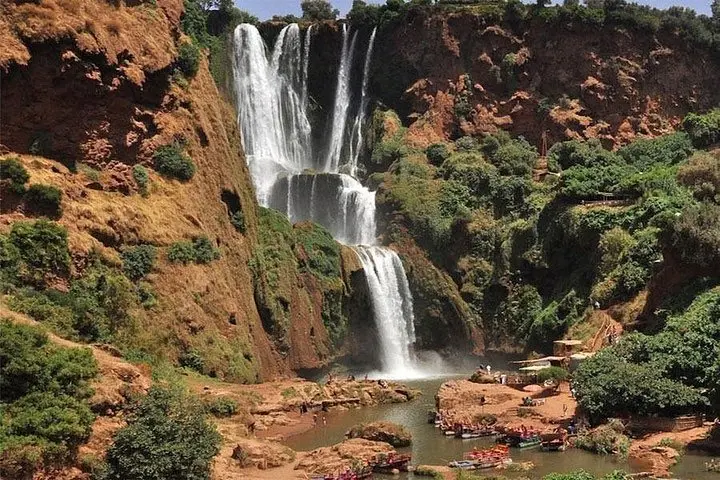
By mid-morning the air off the El Abid River tastes of wet stone and olive oil. A shuttle winds out of Marrakech through ochre hills and small Berber hamlets; after roughly two and a half hours the valley opens and the falls announce themselves—a shimmering curtain breaking against red sandstone, spray pushing the light into rainbows.
By mid-morning the air off the El Abid River tastes of wet stone and olive oil. A shuttle winds out of Marrakech through ochre hills and small Berber hamlets; after roughly two and a half hours the valley opens and the falls announce themselves—a shimmering curtain breaking against red sandstone, spray pushing the light into rainbows.
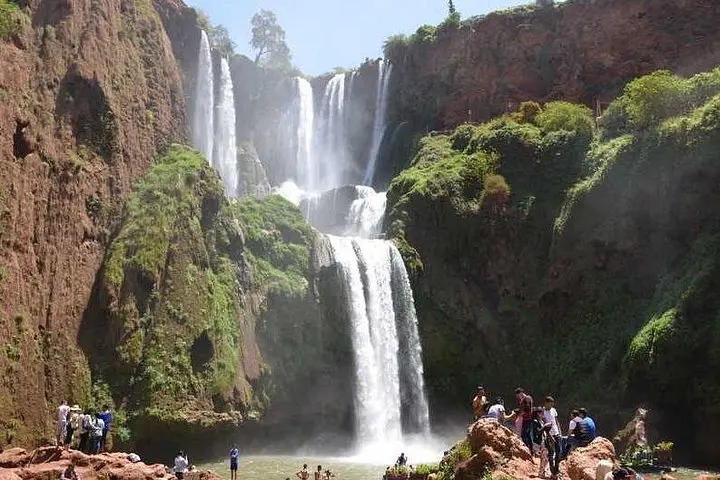
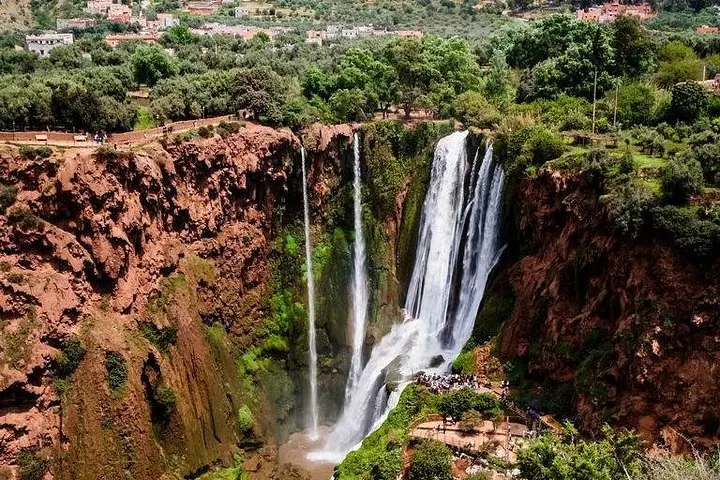
Ouzoud’s name comes from the Berber word for ‘grinding grain,’ a reminder that these falls have fed people for centuries. The river has carved a stepped gorge here, dropping roughly 100 meters across three main tiers and a string of smaller cascades. Geologically, the drama is simple: soft sedimentary rock erodes into shelves and ledges, forcing water into a braided, theatrical descent. Culturally the site sits at a crossroads—Atlas Mountain villages, olive groves worked by mule, and riverside mills that once ground the region’s grain.
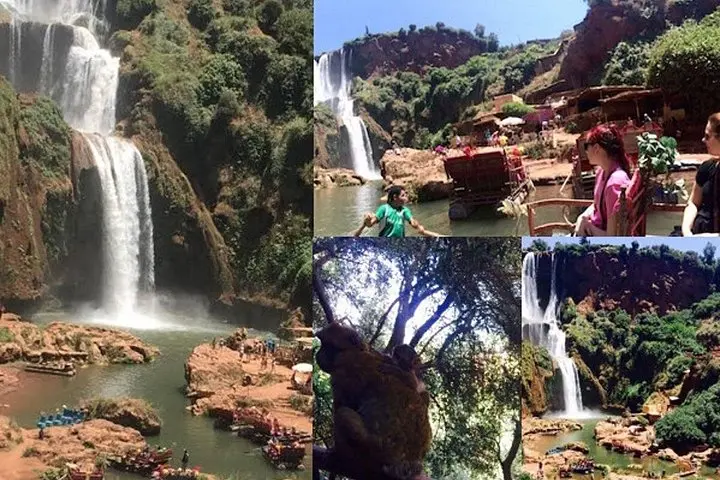
The experience balances spectacle with intimacy. Visitors arrive at a rim-top viewpoint where cafes pour mint tea and local women sell flatbreads. A stepped trail descends through olive groves to a network of smaller viewpoints; a steeper path leads to the base pools, where the roar is almost physical and the spray dares you to walk closer. Barbary macaques patrol the rocks and trees—curious, fast, and accustomed to people. Small boat operators sometimes ferry guests to the pool edge for a closer look; agreements are informal and often cash-based.
On a practical level, this is a full day out: expect roughly 9–10 hours from Marrakech with 2–3 hours driving each way and 1–2 hours of walking and exploring at the site. The main trail loop is moderate—stony steps, narrow switchbacks, and steep drops—so good traction and steady knees matter. Lunch is typically at a family-run restaurant near the falls; expect tagine, grilled fish or salads flavored with fresh olive oil.
Timing changes everything: early arrival avoids the midday tour rush and catches the light when the canyon still holds cool. Respect the landscape—don’t feed or chase wildlife, carry out trash, and tip local guides or cafe staff directly. For travelers who want to stretch the day, the surrounding paths climb to quieter overlooks or past working olive presses.
Ouzoud is loud, damp, and honest—the type of place that nudges you out of city rhythm and back into geography. With sensible footwear, water, and a little patience, it’s one of Morocco’s most accessible encounters with wild water and Atlas culture.
Frequently asked questions
Expect roughly 2.5–3 hours each way depending on traffic; the route covers about 150 km and includes winding mountain roads.
There is no formal national-park fee, but local operators may charge small fees for boat rides or guided walks—carry cash.
Swimming is possible in some calmer pools but currents and rocks create hazards; only swim where it looks safe and avoid high-flow periods.
Barbary macaques are generally not aggressive but can snatch food or items; do not feed them and keep belongings secured.
Yes with precautions—trails have steep sections and many steps; consider fitness and mobility before committing.
Most shared day-trip operators include hotel pickup; confirm at booking and note any required pickup time windows.
About This Experience
Marrakech Tours Excursions operates guided outdoor trips and adventures with an emphasis on safety, stewardship, and memorable experiences.
Adventure tips
Recommended gear
- Sturdy walking shoes: Provides traction on wet, rocky paths and protects ankles on uneven steps.
- Reusable water bottle (1–2 L): Stay hydrated during the transfer and while hiking; water sources at cafes may be limited.
- Light rain jacket or windbreaker: Shower spray and winter rain can make conditions chilly and wet near the base pools.
- Daypack with towel and spare socks: Useful if you plan a quick dip or for drying off after spray-heavy viewpoints.
Photos of the experience
Related adventures & guides
Read the full experience
By mid-morning the air off the El Abid River tastes of wet stone and olive oil. A shuttle winds out of Marrakech through ochre hills and small Berber hamlets; after roughly two and a half hours the valley opens and the falls announce themselves—a shimmering curtain breaking against red sandstone, spray pushing the light into rainbows.
By mid-morning the air off the El Abid River tastes of wet stone and olive oil. A shuttle winds out of Marrakech through ochre hills and small Berber hamlets; after roughly two and a half hours the valley opens and the falls announce themselves—a shimmering curtain breaking against red sandstone, spray pushing the light into rainbows.
Ouzoud’s name comes from the Berber word for ‘grinding grain,’ a reminder that these falls have fed people for centuries. The river has carved a stepped gorge here, dropping roughly 100 meters across three main tiers and a string of smaller cascades. Geologically, the drama is simple: soft sedimentary rock erodes into shelves and ledges, forcing water into a braided, theatrical descent. Culturally the site sits at a crossroads—Atlas Mountain villages, olive groves worked by mule, and riverside mills that once ground the region’s grain.
The experience balances spectacle with intimacy. Visitors arrive at a rim-top viewpoint where cafes pour mint tea and local women sell flatbreads. A stepped trail descends through olive groves to a network of smaller viewpoints; a steeper path leads to the base pools, where the roar is almost physical and the spray dares you to walk closer. Barbary macaques patrol the rocks and trees—curious, fast, and accustomed to people. Small boat operators sometimes ferry guests to the pool edge for a closer look; agreements are informal and often cash-based.
On a practical level, this is a full day out: expect roughly 9–10 hours from Marrakech with 2–3 hours driving each way and 1–2 hours of walking and exploring at the site. The main trail loop is moderate—stony steps, narrow switchbacks, and steep drops—so good traction and steady knees matter. Lunch is typically at a family-run restaurant near the falls; expect tagine, grilled fish or salads flavored with fresh olive oil.
Timing changes everything: early arrival avoids the midday tour rush and catches the light when the canyon still holds cool. Respect the landscape—don’t feed or chase wildlife, carry out trash, and tip local guides or cafe staff directly. For travelers who want to stretch the day, the surrounding paths climb to quieter overlooks or past working olive presses.
Ouzoud is loud, damp, and honest—the type of place that nudges you out of city rhythm and back into geography. With sensible footwear, water, and a little patience, it’s one of Morocco’s most accessible encounters with wild water and Atlas culture.
Make a day of it nearby.
Verified experiences and guided adventures in the surrounding area.