THE ADVENTURE COLLECTIVE® · Independent discovery and booking for outdoor travel

Escape Marrakech for a full-day journey to Ouzoud, North Africa’s tallest falls. This practical guide walks you through what to expect—history, terrain, local culture—and how to prepare for a safe, photo-ready day trip.
Escape Marrakech for a full-day journey to Ouzoud, North Africa’s tallest falls. This practical guide walks you through what to expect—history, terrain, local culture—and how to prepare for a safe, photo-ready day trip.
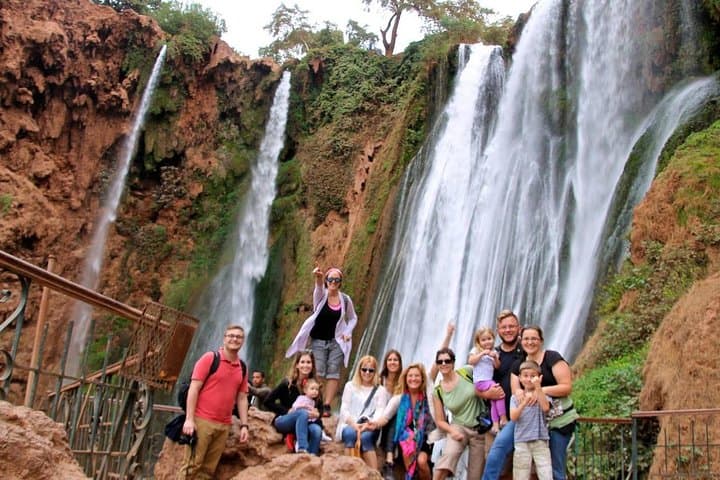
The minivan eases out of Marrakech before dawn and the city’s clamor unwinds behind you. Roadside towns blur into olive-splashed valleys; the Atlas foothills begin to lift the air into something cooler and greener. When the first thunder of water reaches the van, it isn’t loud so much as insistent — the falls are already shaping the morning. At Ouzoud, water takes charge: it pushes over a steep lip, divides into ribbons, and hammers the canyon floor 110 meters below, sending spray that brightens into rainbows when the sun arrives.
Verified experiences and guided adventures in the surrounding area.
Operated by Atlas Discovery Tours · Tanaghmeilt, Azilal Province
The minivan eases out of Marrakech before dawn and the city’s clamor unwinds behind you. Roadside towns blur into olive-splashed valleys; the Atlas foothills begin to lift the air into something cooler and greener. When the first thunder of water reaches the van, it isn’t loud so much as insistent — the falls are already shaping the morning. At Ouzoud, water takes charge: it pushes over a steep lip, divides into ribbons, and hammers the canyon floor 110 meters below, sending spray that brightens into rainbows when the sun arrives.
Ouzoud is more than a waterfall; it’s a local landmark rooted in Berber life. The name Ouzoud comes from the Berber word for olive, and the plateau above the falls is ringed with centuries-old olive trees and traditional mills once driven by the river. Geologically, the cascade runs across a resistant limestone ledge; iron-rich soils nearby tint the ground a deep red, a useful contrast for photographers and a reminder of the region’s volcanic past.
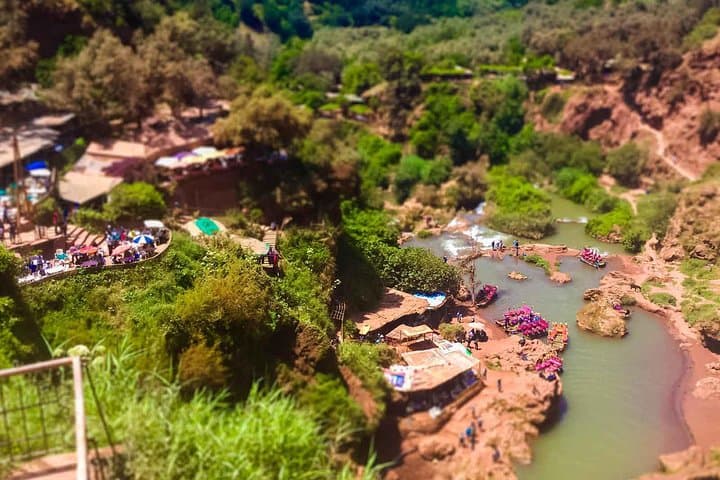
Culture here is slow and social. Small cafés perch on terraces, families work olive groves, and local guides — often multilingual — will offer to lead you down stone staircases to hidden caves and the riverbank. Macaque monkeys, habituated but unpredictable, patrol the scatter of paths; vendors sell mint tea and tagine beneath the umbrella of ancient olives. Visit with a respectful curiosity: many livelihoods now depend on day visitors, and tipping or buying a picnic snack goes a long way.
For practical planning: this is a full-day excursion from Marrakech, roughly 150 km each way and 8–10 hours on the itinerary. The walk around the top rim is moderate: expect stairs and uneven rock if you descend to the base. Wear sturdy shoes — the trails get slippery where the spray meets foot traffic — and bring at least 1.5 liters of water per person. If you plan to hire a local guide or a boat to reach the waterfall’s center, carry small bills.
Timing is everything. Arrive mid-morning for softer light and fewer coaches, or late afternoon if you’re chasing rainbows in the spray. If you want to swim, pick a calm summer day and ask locals about safe spots; currents can be strong near the plunge pool. For photographers, a polarizer tames glare and makes the river appear more solid against the basalt cliffs.
The trip returns to Marrakech in the evening, with the highway folding the day’s green back into city ochres. Ouzoud remains a place where water insists on being seen — a wet, visual interruption to Morocco’s more famous arid narratives, and a practical, joyous day out for those based in Marrakech.
moderate.
8–10 hours.
Comfortable walking fitness with the ability to manage stairs and uneven ground; not suitable for those with serious mobility limits.
Expect around 2–2.5 hours each way (approximately 150 km), depending on traffic and stops.
There is no formal national-park ticket, but small local charges may apply for certain viewpoints or private boat rides; bring cash.
Swimming is possible in summer in calmer pools, but currents near the main plunge can be strong; check with local guides for safe spots.
Yes—several terrace restaurants and cafés below the rim serve tagine and mint tea; they’re good for lunch and views.
Yes—local guides and small boats are available at the site; hiring one supports the community and improves safety if you descend to the river.
Primary viewpoints are accessible, but staircases to the base are steep; strollers are not practical for lower trails.
Ouzoud sits in the Azilal area where Berber communities have farmed olives for centuries; historic watermills along the river reflect traditional agriculture.
Tourism supports local incomes but increases waste and trail erosion; stick to marked paths, avoid feeding wildlife, and use local guides who practice responsible access.
Atlas Discovery Tours operates guided outdoor trips and adventures with an emphasis on safety, stewardship, and memorable experiences.


The minivan eases out of Marrakech before dawn and the city’s clamor unwinds behind you. Roadside towns blur into olive-splashed valleys; the Atlas foothills begin to lift the air into something cooler and greener. When the first thunder of water reaches the van, it isn’t loud so much as insistent — the falls are already shaping the morning. At Ouzoud, water takes charge: it pushes over a steep lip, divides into ribbons, and hammers the canyon floor 110 meters below, sending spray that brightens into rainbows when the sun arrives.
The minivan eases out of Marrakech before dawn and the city’s clamor unwinds behind you. Roadside towns blur into olive-splashed valleys; the Atlas foothills begin to lift the air into something cooler and greener. When the first thunder of water reaches the van, it isn’t loud so much as insistent — the falls are already shaping the morning. At Ouzoud, water takes charge: it pushes over a steep lip, divides into ribbons, and hammers the canyon floor 110 meters below, sending spray that brightens into rainbows when the sun arrives.
Ouzoud is more than a waterfall; it’s a local landmark rooted in Berber life. The name Ouzoud comes from the Berber word for olive, and the plateau above the falls is ringed with centuries-old olive trees and traditional mills once driven by the river. Geologically, the cascade runs across a resistant limestone ledge; iron-rich soils nearby tint the ground a deep red, a useful contrast for photographers and a reminder of the region’s volcanic past.
Culture here is slow and social. Small cafés perch on terraces, families work olive groves, and local guides — often multilingual — will offer to lead you down stone staircases to hidden caves and the riverbank. Macaque monkeys, habituated but unpredictable, patrol the scatter of paths; vendors sell mint tea and tagine beneath the umbrella of ancient olives. Visit with a respectful curiosity: many livelihoods now depend on day visitors, and tipping or buying a picnic snack goes a long way.
For practical planning: this is a full-day excursion from Marrakech, roughly 150 km each way and 8–10 hours on the itinerary. The walk around the top rim is moderate: expect stairs and uneven rock if you descend to the base. Wear sturdy shoes — the trails get slippery where the spray meets foot traffic — and bring at least 1.5 liters of water per person. If you plan to hire a local guide or a boat to reach the waterfall’s center, carry small bills.
Timing is everything. Arrive mid-morning for softer light and fewer coaches, or late afternoon if you’re chasing rainbows in the spray. If you want to swim, pick a calm summer day and ask locals about safe spots; currents can be strong near the plunge pool. For photographers, a polarizer tames glare and makes the river appear more solid against the basalt cliffs.
The trip returns to Marrakech in the evening, with the highway folding the day’s green back into city ochres. Ouzoud remains a place where water insists on being seen — a wet, visual interruption to Morocco’s more famous arid narratives, and a practical, joyous day out for those based in Marrakech.