THE ADVENTURE COLLECTIVE® · Independent discovery and booking for outdoor travel

A full-day escape from Marrakech to Ouzoud reveals a 110m waterfall, riverside trails, and close encounters with Barbary macaques. This guide outlines what to expect, how to prepare, and the best times to visit.
A full-day escape from Marrakech to Ouzoud reveals a 110m waterfall, riverside trails, and close encounters with Barbary macaques. This guide outlines what to expect, how to prepare, and the best times to visit.
You arrive on the rim of a chiseled gorge and the air changes—cool spray cuts through the Moroccan sun and the falls announce themselves before you see them: a white curtain tumbling 110 meters down red-cliff steps. Paths wind through olive groves and small terraces; local women tend stacked stone mills and children peer from shaded tracks. The scene is immediate and tactile.
Verified experiences and guided adventures in the surrounding area.
Operated by ADVENTURE MOROCCO TRIPS · Ouzoud, Béni Mellal-Khénifra
You arrive on the rim of a chiseled gorge and the air changes—cool spray cuts through the Moroccan sun and the falls announce themselves before you see them: a white curtain tumbling 110 meters down red-cliff steps. Paths wind through olive groves and small terraces; local women tend stacked stone mills and children peer from shaded tracks. The scene is immediate and tactile.
Geology here is simple and old: limestone cliffs carved by the El-Abid river, wearing grooves and plunge pools into the rock over millennia. The falls and surrounding hamlets reflect a rural Berber economy—watermills once ground grain and the family-run cafés clustering at the lookout continue that practical rhythm.
Expect narrow footpaths, steep stone steps, and viewpoints on both banks. Barbary macaques are part of the cast; they move confidently around picnic areas, daring you to keep tight control of food and gear. Birdlife and seasonal wildflowers brighten spring, while summer brings lower flow and busier trails.
Practical guidance: most day trips are 2.5–3 hours each way from Marrakech, with a full-day outing of roughly 8–9 hours. Wear sturdy shoes with grip for wet rock, bring at least 1–2 liters of water, and carry sun protection. If you plan to boat at the base, expect to get splashed—secure electronics. Mornings are cooler and quieter; late afternoon light softens the cliffs for photography. Respect private terraces, tip local guides or mill operators if you stop, and pack out trash—trailside litter damages the pools and habitat.
easy.
8–9 hours (round trip from Marrakech).
Suitable for most fitness levels; requires negotiating stone steps and short uneven climbs on trails.
Expect about 2.5–3 hours each way by road, depending on traffic and stops—most organized tours make it a full 8–9 hour day.
There are shallow pools where people wade, but currents and rocks make swimming variable; evaluate conditions locally and follow guides' advice.
Yes—cafés and basic toilets cluster at the main viewpoints and near the village; bring small change for purchases and tips.
Main viewpoints and village areas are accessible, but steep or uneven paths to lower viewpoints are not wheelchair-friendly and require care with children.
Local Berber communities have used the river to power stone mills for centuries; the falls sit where the El-Abid river cuts through limestone escarpments.
Visitor pressure and litter can harm pools and riparian habitat—use marked paths, avoid feeding wildlife, and support local guides and cafés.
ADVENTURE MOROCCO TRIPS operates guided outdoor trips and adventures with an emphasis on safety, stewardship, and memorable experiences.
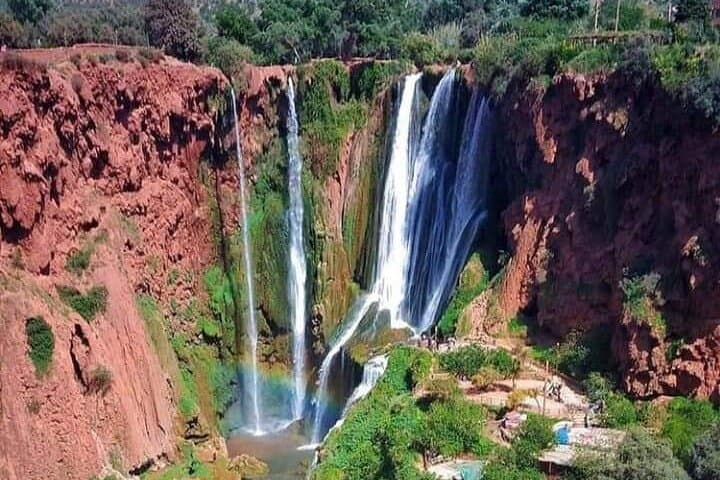
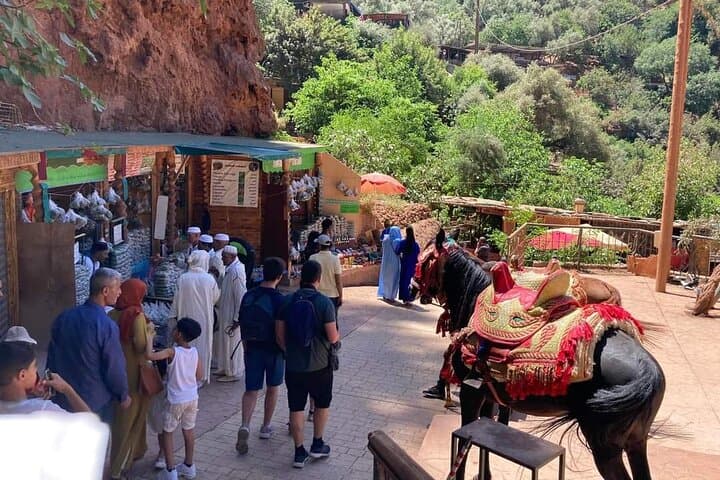
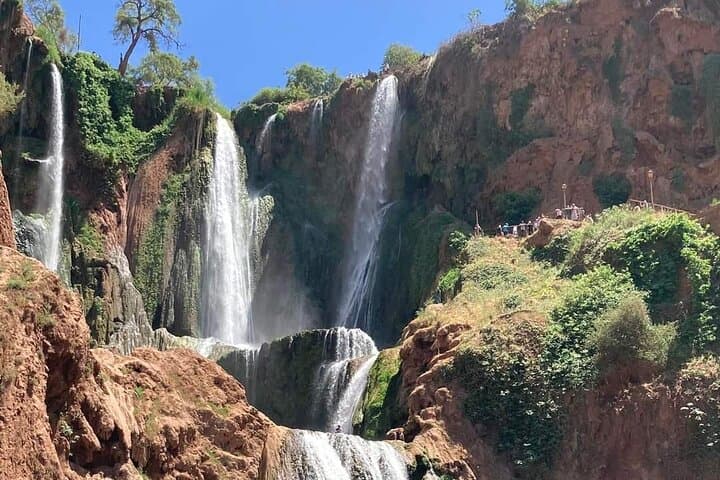
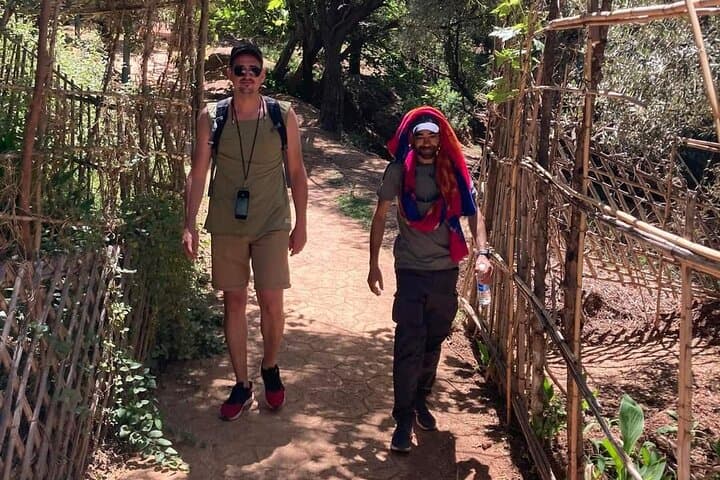
You arrive on the rim of a chiseled gorge and the air changes—cool spray cuts through the Moroccan sun and the falls announce themselves before you see them: a white curtain tumbling 110 meters down red-cliff steps. Paths wind through olive groves and small terraces; local women tend stacked stone mills and children peer from shaded tracks. The scene is immediate and tactile.
You arrive on the rim of a chiseled gorge and the air changes—cool spray cuts through the Moroccan sun and the falls announce themselves before you see them: a white curtain tumbling 110 meters down red-cliff steps. Paths wind through olive groves and small terraces; local women tend stacked stone mills and children peer from shaded tracks. The scene is immediate and tactile.
Geology here is simple and old: limestone cliffs carved by the El-Abid river, wearing grooves and plunge pools into the rock over millennia. The falls and surrounding hamlets reflect a rural Berber economy—watermills once ground grain and the family-run cafés clustering at the lookout continue that practical rhythm.
Expect narrow footpaths, steep stone steps, and viewpoints on both banks. Barbary macaques are part of the cast; they move confidently around picnic areas, daring you to keep tight control of food and gear. Birdlife and seasonal wildflowers brighten spring, while summer brings lower flow and busier trails.
Practical guidance: most day trips are 2.5–3 hours each way from Marrakech, with a full-day outing of roughly 8–9 hours. Wear sturdy shoes with grip for wet rock, bring at least 1–2 liters of water, and carry sun protection. If you plan to boat at the base, expect to get splashed—secure electronics. Mornings are cooler and quieter; late afternoon light softens the cliffs for photography. Respect private terraces, tip local guides or mill operators if you stop, and pack out trash—trailside litter damages the pools and habitat.