THE ADVENTURE COLLECTIVE® · Independent discovery and booking for outdoor travel

Escape Marrakech for a full day to Ouzoud Falls — North Africa’s highest cascade — where canyon hikes, boat rides and resident Barbary macaques await. This guide covers what to expect on the drive, the trails, and practical tips to make the most of your day.
Escape Marrakech for a full day to Ouzoud Falls — North Africa’s highest cascade — where canyon hikes, boat rides and resident Barbary macaques await. This guide covers what to expect on the drive, the trails, and practical tips to make the most of your day.
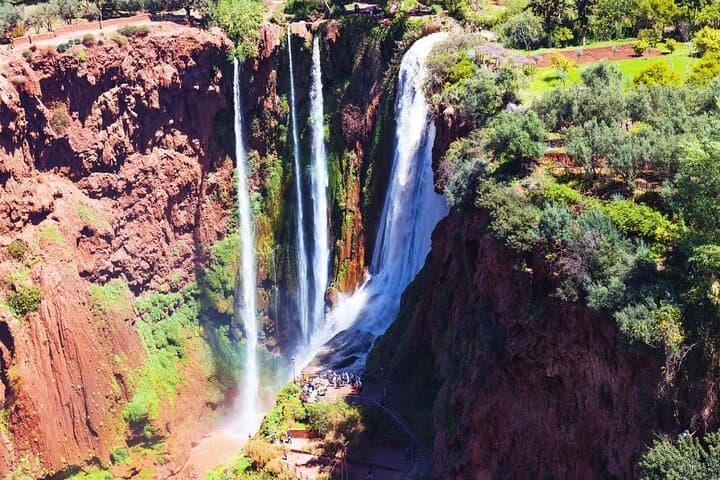
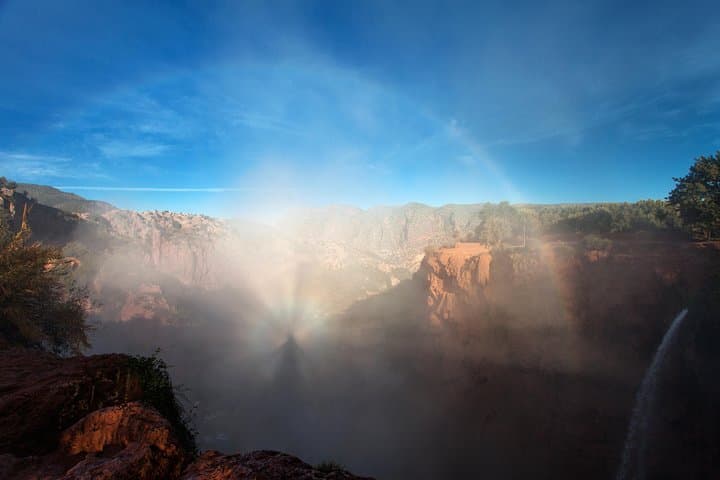
You arrive on a sun-warmed track and the canyon opens like a page — water cutting bright lines into red rock, olive groves slipping away into terraces. The sound is first: a steady, bassy rush that grows as you descend toward Ouzoud’s main plunge. Mist cools your face and the air smells of wet stone and crushed herbs from nearby Berber gardens.
Verified experiences and guided adventures in the surrounding area.
Operated by Marrakech Desert Line · Ouzoud (Tanaghmeilt), Azilal Province
You arrive on a sun-warmed track and the canyon opens like a page — water cutting bright lines into red rock, olive groves slipping away into terraces. The sound is first: a steady, bassy rush that grows as you descend toward Ouzoud’s main plunge. Mist cools your face and the air smells of wet stone and crushed herbs from nearby Berber gardens.
Ouzoud Falls sit where the Middle Atlas’ folded limestone gives way to alluvial terraces; locals mill olives and press oil here using methods unchanged for generations. The cascades — among the tallest in North Africa — feed the Oued El Abid and have shaped a pocket of verdant life in an otherwise dry region. Barbary macaques patrol the shade, and small mills clack along the riverbanks, reminders of the valley’s agricultural history.
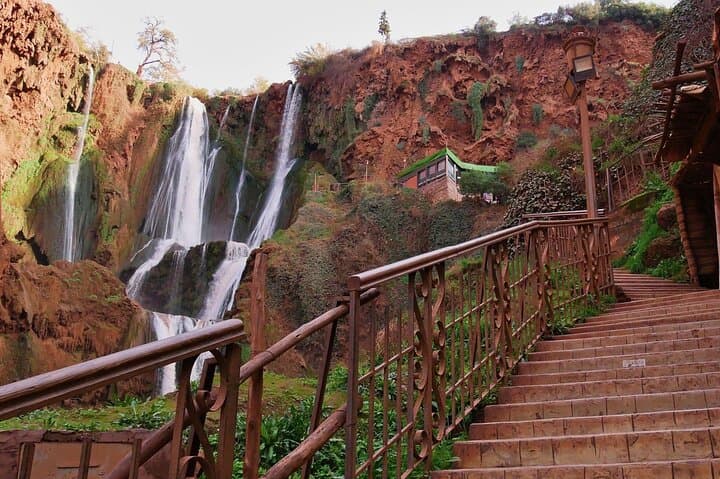
On a typical shared day trip from Marrakech expect roughly a 150 km drive (about three hours each way) with roughly four hours at the site to hike the rim and plunge pools, take an optional boat under the falls, or walk the loop trail that drops and climbs a few hundred meters on stone steps and dirt tracks. Trails are well used but uneven; bring sturdy shoes and water. Timing matters: morning light on the east face is best for photos, while afternoon brings warmer pools.
Practical tips: plan for sun and sudden spray, respect the monkeys (don’t feed), and budget time for a village tagine — local kitchens serve excellent, spice-forward plates. The trip is accessible for most fitness levels but includes steep steps and rocky stretches; a reasonable level of mobility will make the day more comfortable.
moderate.
10–11 hours (including travel).
Suitable for travelers who can walk uneven trails, manage stairs and short steep sections; not recommended for limited mobility without assistance
Expect roughly a 2.5–3.5 hour drive each way depending on traffic and stops, covering about 150 km; shared tours typically include hotel pickup.
Yes, there are natural pools where swimming is possible when conditions are safe; always follow local guides’ advice and avoid strong currents near the base.
Small cafés and tagine kitchens serve Berber-style meals and mint tea near the main viewpoints and in the village; bringing snacks is still recommended for the trail.
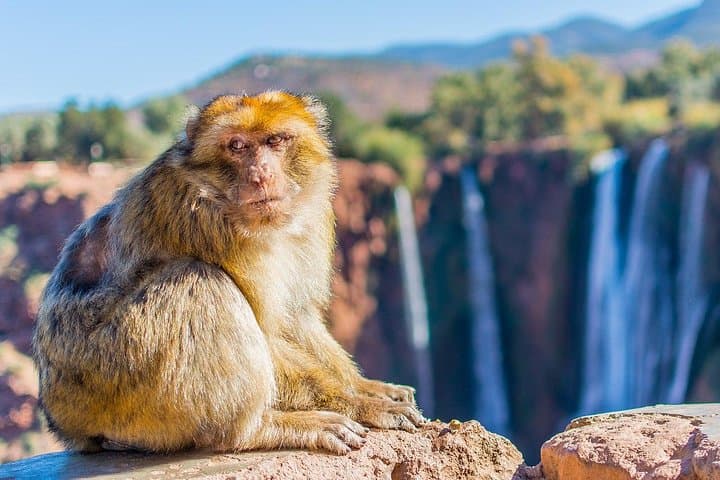
Barbary macaques are common around the falls and often approach visitors, but do not feed or touch them—keep a safe distance to avoid bites or confiscation of gear.
The valley sustained olive cultivation and water mills for centuries; many local families still use traditional presses and maintain communal irrigation systems.
Visitors should avoid single-use plastics, respect marked trails to limit erosion, and support local guides and vendors to keep tourism benefits in the community.
Marrakech Desert Line operates guided outdoor trips and adventures with an emphasis on safety, stewardship, and memorable experiences.
You arrive on a sun-warmed track and the canyon opens like a page — water cutting bright lines into red rock, olive groves slipping away into terraces. The sound is first: a steady, bassy rush that grows as you descend toward Ouzoud’s main plunge. Mist cools your face and the air smells of wet stone and crushed herbs from nearby Berber gardens.
You arrive on a sun-warmed track and the canyon opens like a page — water cutting bright lines into red rock, olive groves slipping away into terraces. The sound is first: a steady, bassy rush that grows as you descend toward Ouzoud’s main plunge. Mist cools your face and the air smells of wet stone and crushed herbs from nearby Berber gardens.
Ouzoud Falls sit where the Middle Atlas’ folded limestone gives way to alluvial terraces; locals mill olives and press oil here using methods unchanged for generations. The cascades — among the tallest in North Africa — feed the Oued El Abid and have shaped a pocket of verdant life in an otherwise dry region. Barbary macaques patrol the shade, and small mills clack along the riverbanks, reminders of the valley’s agricultural history.
On a typical shared day trip from Marrakech expect roughly a 150 km drive (about three hours each way) with roughly four hours at the site to hike the rim and plunge pools, take an optional boat under the falls, or walk the loop trail that drops and climbs a few hundred meters on stone steps and dirt tracks. Trails are well used but uneven; bring sturdy shoes and water. Timing matters: morning light on the east face is best for photos, while afternoon brings warmer pools.
Practical tips: plan for sun and sudden spray, respect the monkeys (don’t feed), and budget time for a village tagine — local kitchens serve excellent, spice-forward plates. The trip is accessible for most fitness levels but includes steep steps and rocky stretches; a reasonable level of mobility will make the day more comfortable.