THE ADVENTURE COLLECTIVE® · Independent discovery and booking for outdoor travel

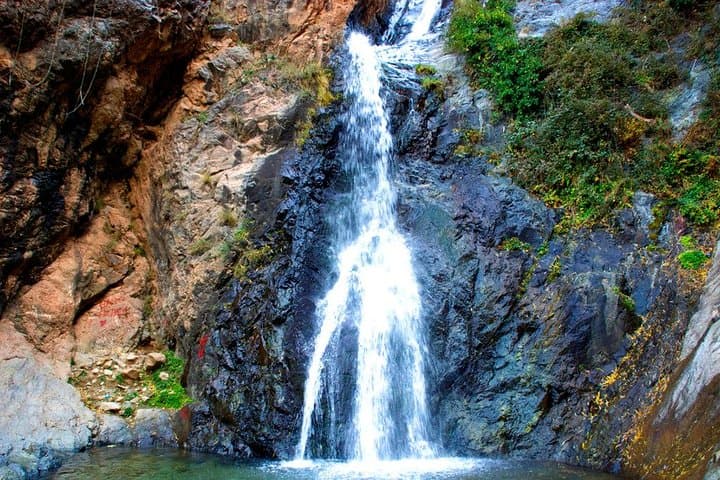
Follow the Ourika River into the High Atlas for a private day trip from Marrakech: saffron gardens, Berber tea, and a two‑hour guided walk to the cascading Ourika waterfalls. This practical guide covers what to expect, logistics, and how to prepare.
Follow the Ourika River into the High Atlas for a private day trip from Marrakech: saffron gardens, Berber tea, and a two‑hour guided walk to the cascading Ourika waterfalls. This practical guide covers what to expect, logistics, and how to prepare.
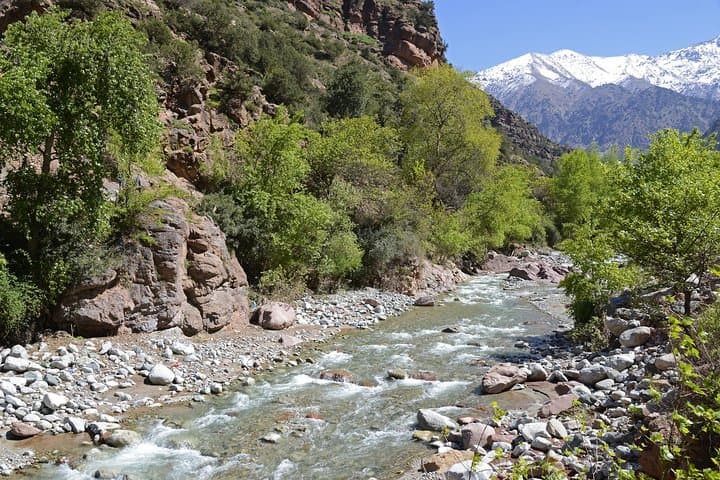
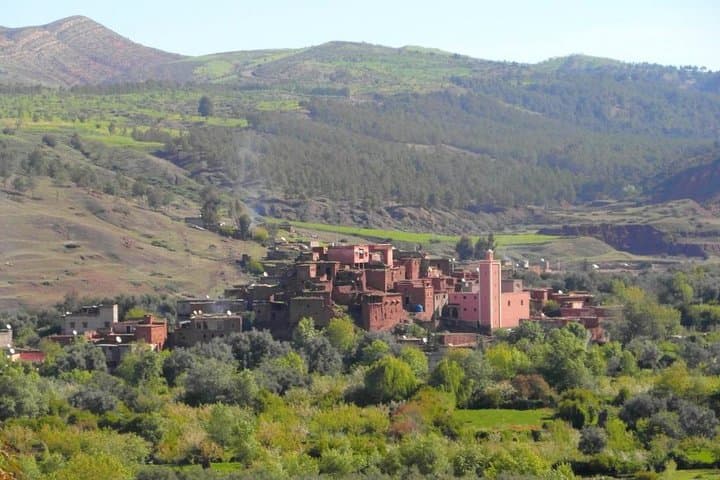
You leave Marrakech behind and the road climbs toward the High Atlas; red-earth villages cling to the slopes, terraced fields step down to a river that keeps its voice through the valley. The drive is part of the day—mountain walls grow taller, the air sharpens, and the Ourika River seems to dare you to follow it upstream.
Verified experiences and guided adventures in the surrounding area.
Operated by Morocco vaccation · Ourika, Marrakech-Safi
You leave Marrakech behind and the road climbs toward the High Atlas; red-earth villages cling to the slopes, terraced fields step down to a river that keeps its voice through the valley. The drive is part of the day—mountain walls grow taller, the air sharpens, and the Ourika River seems to dare you to follow it upstream.
The valley is Berber country: centuries-old stone houses, weekly souks in Tnine Ourika, and small family gardens where saffron and aromatic herbs are still tended by hand. Geologically, the High Atlas is young and folded—granite outcrops and steep ravines carve the landscape, feeding cascades that gather into the Ourika waterfalls near Setti Fatma. Local guides will point out terraces, talk about traditional irrigation (seguias), and invite you to sample mint tea infused with garden herbs.
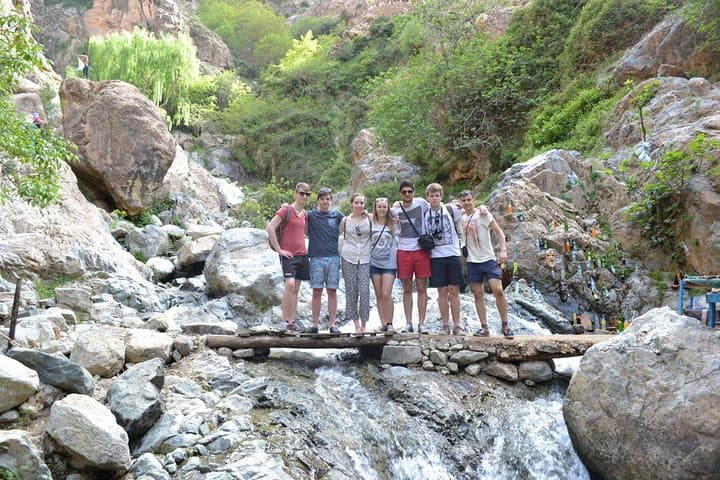
Expect a guided walk of roughly two hours over packed earth and occasional rock steps—round-trip distances commonly sit between 3–5 km with modest elevation gain. Lunch typically happens at a riverside restaurant, where you’ll trade the day’s dust for tagine and cool river air. Practicalities: hotel pick-up and drop-off are usually included, bottled water and transport by air-conditioned vehicle are provided.
Wear sturdy walking shoes, bring sun protection and layered clothing for shifting mountain temperatures, and time your visit for morning or late afternoon to avoid the hottest hours and busiest markets. Respect private property when passing through villages, tip guides and drivers locally, and leave no trace—these valleys rely on visitors to keep both culture and creek healthy.
moderate.
6–8 hours.
Suitable for people who can walk 3–5 km over uneven terrain and climb short stone steps; light-moderate fitness recommended.
The guided walking portion is about two hours round-trip, covering roughly 3–5 km on trails with some stone steps and short ascents.
Yes—this private excursion is considered easy-to-moderate; children and older visitors can usually participate but should be comfortable on uneven ground and climb short steps.
Most operators include hotel pick-up/drop-off, transport by air‑conditioned vehicle, bottled water, and a traditional lunch at a riverside restaurant as described in the itinerary.
Yes—stops typically include a saffron or aromatic garden and a visit to a Berber family or village; always ask before photographing people and follow local customs.
The Ourika Valley has long been inhabited by Amazigh (Berber) communities; terraces and irrigation methods visible today reflect centuries of mountain agriculture.
Water use and seasonal tourism pressure can strain local resources—support family-run businesses, avoid single-use plastics, and stick to marked paths to reduce erosion.
Morocco vaccation operates guided outdoor trips and adventures with an emphasis on safety, stewardship, and memorable experiences.
You leave Marrakech behind and the road climbs toward the High Atlas; red-earth villages cling to the slopes, terraced fields step down to a river that keeps its voice through the valley. The drive is part of the day—mountain walls grow taller, the air sharpens, and the Ourika River seems to dare you to follow it upstream.
You leave Marrakech behind and the road climbs toward the High Atlas; red-earth villages cling to the slopes, terraced fields step down to a river that keeps its voice through the valley. The drive is part of the day—mountain walls grow taller, the air sharpens, and the Ourika River seems to dare you to follow it upstream.
The valley is Berber country: centuries-old stone houses, weekly souks in Tnine Ourika, and small family gardens where saffron and aromatic herbs are still tended by hand. Geologically, the High Atlas is young and folded—granite outcrops and steep ravines carve the landscape, feeding cascades that gather into the Ourika waterfalls near Setti Fatma. Local guides will point out terraces, talk about traditional irrigation (seguias), and invite you to sample mint tea infused with garden herbs.
Expect a guided walk of roughly two hours over packed earth and occasional rock steps—round-trip distances commonly sit between 3–5 km with modest elevation gain. Lunch typically happens at a riverside restaurant, where you’ll trade the day’s dust for tagine and cool river air. Practicalities: hotel pick-up and drop-off are usually included, bottled water and transport by air-conditioned vehicle are provided.
Wear sturdy walking shoes, bring sun protection and layered clothing for shifting mountain temperatures, and time your visit for morning or late afternoon to avoid the hottest hours and busiest markets. Respect private property when passing through villages, tip guides and drivers locally, and leave no trace—these valleys rely on visitors to keep both culture and creek healthy.