THE ADVENTURE COLLECTIVE® · Independent discovery and booking for outdoor travel

A 6-hour day trip from Marrakech delivers cascading springs, intimate Berber hospitality, and short hikes to Setti Fatma’s waterfalls. Follow mule tracks, cross stone bridges, and sample mint tea in a valley that still lives by old rhythms.
A 6-hour day trip from Marrakech delivers cascading springs, intimate Berber hospitality, and short hikes to Setti Fatma’s waterfalls. Follow mule tracks, cross stone bridges, and sample mint tea in a valley that still lives by old rhythms.
You step out of the air-conditioned van and the valley breathes around you: a cool river threading through terraces, stony paths where goats pick their way, and cedar slopes rising toward the first ridges of the High Atlas. The road from Marrakech unfolds for roughly 64 km, depositing you in a landscape where the foothills feel immediately wilder than the city’s ochre walls.
Verified experiences and guided adventures in the surrounding area.
Operated by Mission Travel Morocco · Setti Fatma, Marrakech-Safi
You step out of the air-conditioned van and the valley breathes around you: a cool river threading through terraces, stony paths where goats pick their way, and cedar slopes rising toward the first ridges of the High Atlas. The road from Marrakech unfolds for roughly 64 km, depositing you in a landscape where the foothills feel immediately wilder than the city’s ochre walls.
This corridor has long been home to Amazigh (Berber) communities; Setti Fatma at the valley’s head is the common base for short treks to a series of seven waterfalls. Geologically, the valley is a carved riverine cut into soft sedimentary layers and volcanic outcrops—small cascades punctuate the stream where shale gives way to harder rock. Cultural touches are constant: stone houses, mule tracks leading higher to Tacheddirt and Oukaimeden, and local households that still invite visitors for mint tea and bread with olive oil, honey and butter.
Expect a mix of light walking and short rocky scrambles to reach the waterfalls; local guides and mule handlers run the trails and short camel rides are often offered deeper in the valley. The day trip balances cultural stops with nature views and is suitable for most fitness levels, but good shoes and sun protection make the difference on uneven paths.
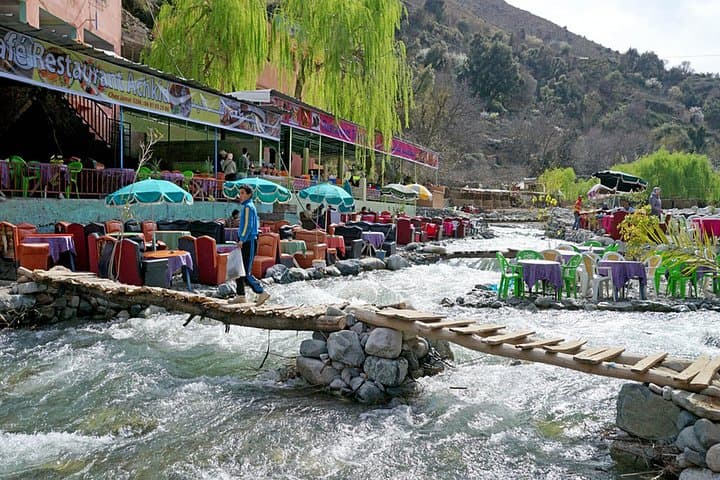
Practical tips: start early to avoid heat and crowds, carry water and small bills for tea and guides, and allow time for photography at traditional Berber bridges. Respect private homes, stick to marked paths, and pack layers—shade and river spray can make mornings crisp even after Marrakech’s heat.
easy.
6 hours.
Suitable for most people who can walk 1–3 miles on uneven terrain; some short uphill sections require steady footing.
The drive is about 60–75 minutes each way (roughly 64 km), and the total tour runs around six hours including stops.
Access to Setti Fatma’s main waterfalls involves short, uneven climbs and some rock steps; it’s classified as easy for casual walkers but requires sturdy shoes.
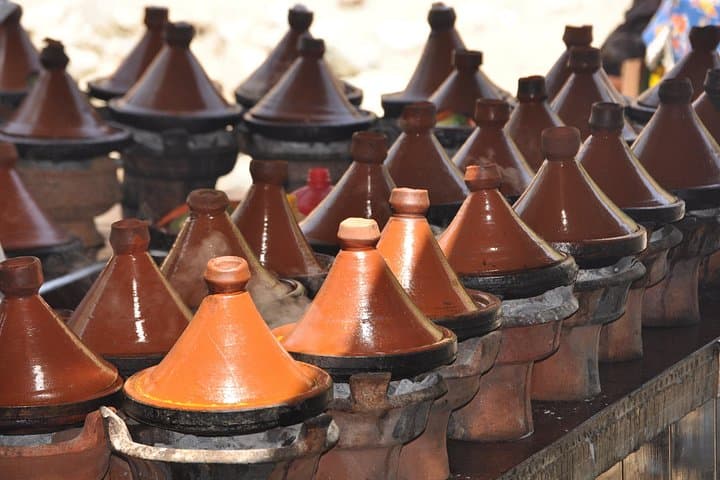
A traditional Berber breakfast with bread, honey, butter and olive oil and mint tea are typically provided; bring extra cash for additional snacks or longer camel rides.
Pickup and transport are wheelchair accessible, but the waterfall trails themselves are not suitable for wheelchairs due to rocky and stepped paths.
The Ourika Valley has been inhabited by Amazigh communities for centuries; its mule routes and rock carvings connect local pastoral traditions with trans-Atlas travel.
Tourism pressure can strain water and trail integrity; stick to paths, avoid single-use plastics, and support local families directly to keep gains in the community.
Mission Travel Morocco operates guided outdoor trips and adventures with an emphasis on safety, stewardship, and memorable experiences.
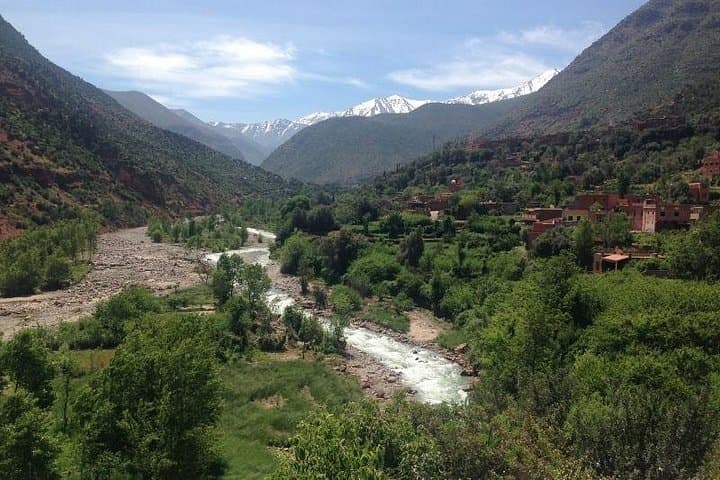
You step out of the air-conditioned van and the valley breathes around you: a cool river threading through terraces, stony paths where goats pick their way, and cedar slopes rising toward the first ridges of the High Atlas. The road from Marrakech unfolds for roughly 64 km, depositing you in a landscape where the foothills feel immediately wilder than the city’s ochre walls.
You step out of the air-conditioned van and the valley breathes around you: a cool river threading through terraces, stony paths where goats pick their way, and cedar slopes rising toward the first ridges of the High Atlas. The road from Marrakech unfolds for roughly 64 km, depositing you in a landscape where the foothills feel immediately wilder than the city’s ochre walls.
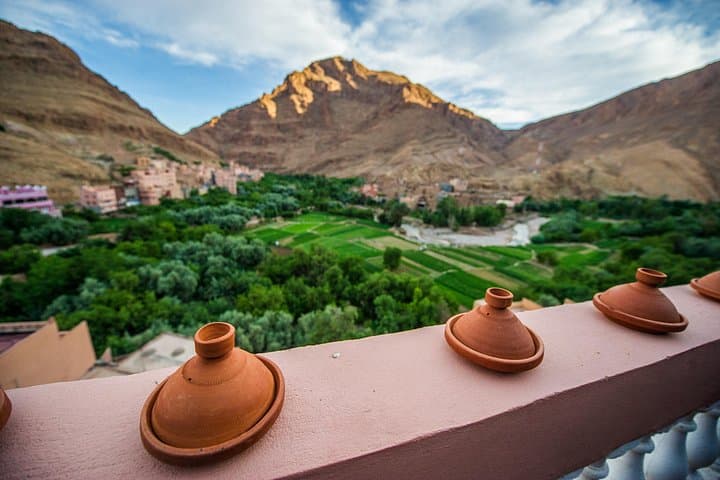
This corridor has long been home to Amazigh (Berber) communities; Setti Fatma at the valley’s head is the common base for short treks to a series of seven waterfalls. Geologically, the valley is a carved riverine cut into soft sedimentary layers and volcanic outcrops—small cascades punctuate the stream where shale gives way to harder rock. Cultural touches are constant: stone houses, mule tracks leading higher to Tacheddirt and Oukaimeden, and local households that still invite visitors for mint tea and bread with olive oil, honey and butter.
Expect a mix of light walking and short rocky scrambles to reach the waterfalls; local guides and mule handlers run the trails and short camel rides are often offered deeper in the valley. The day trip balances cultural stops with nature views and is suitable for most fitness levels, but good shoes and sun protection make the difference on uneven paths.
Practical tips: start early to avoid heat and crowds, carry water and small bills for tea and guides, and allow time for photography at traditional Berber bridges. Respect private homes, stick to marked paths, and pack layers—shade and river spray can make mornings crisp even after Marrakech’s heat.