THE ADVENTURE COLLECTIVE® · Independent discovery and booking for outdoor travel

Escape Marrakech for a full day in the Ourika Valley: meet Berber families, tour a women-run cooperative, and walk to the cascading Setti Fatma waterfalls. This accessible day trip blends gentle hiking with cultural insight and river-side scenery.
Escape Marrakech for a full day in the Ourika Valley: meet Berber families, tour a women-run cooperative, and walk to the cascading Setti Fatma waterfalls. This accessible day trip blends gentle hiking with cultural insight and river-side scenery.
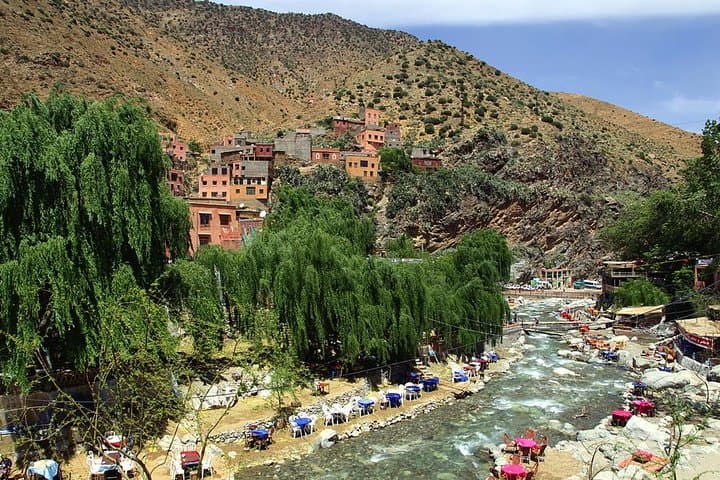
A cool morning air rides down the Ourika Gorge as you leave Marrakech behind — dry red roofs give way to olive groves, walnut trees and a river that keeps the valley green. By mid-morning the road narrows and the High Atlas foothills begin to press in; the village of Setti Fatma and its string of waterfalls sit at the end of a road that feels purpose-built for discovery.
Verified experiences and guided adventures in the surrounding area.
Operated by Visit Marrakech Official · Setti Fatma, Marrakech-Safi
A cool morning air rides down the Ourika Gorge as you leave Marrakech behind — dry red roofs give way to olive groves, walnut trees and a river that keeps the valley green. By mid-morning the road narrows and the High Atlas foothills begin to press in; the village of Setti Fatma and its string of waterfalls sit at the end of a road that feels purpose-built for discovery.
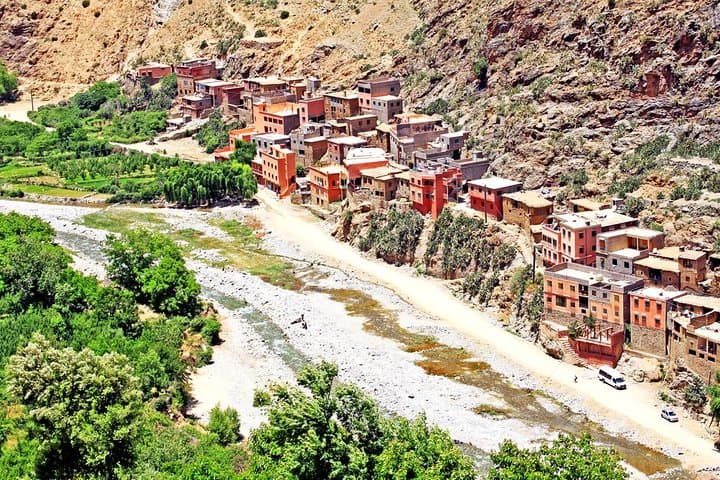
The Ourika Valley has long been a seasonal lifeway for Berber communities who farm terraces and trade along mountain passes. The geology is a fold of schist and limestone carved by persistent streams; those same streams create the tiered cascades at Setti Fatma. Local life revolves around the river — small cafés under walnut trees, women-run argan and oil cooperatives, and simple stone houses that reflect centuries of mountain culture.
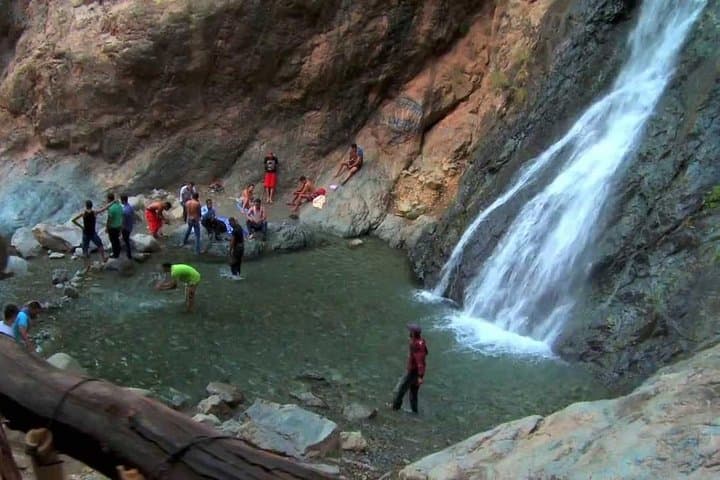
On a typical day trip you’ll visit a cooperative, step inside a family’s home to learn daily crafts, and walk the paths that lead to the lower waterfalls. Trails vary from flat riverside paths to short, rocky staircases; they reward steady steps with close river views and cool shade.
Practical guidance: start early to avoid the busiest hours, wear grippy shoes for uneven trails, carry 1–2 liters of water, and bring cash for small purchases and cooperative goods. Respect private property and local customs — modest dress is appreciated in village settings. With a mix of easy walking, cultural exchange and landscape viewing, this day trip offers a compact, manageable taste of Morocco’s mountain life.
easy.
8–10 hours.
Suitable for most fitness levels; requires short stretches of uneven walking and basic stair-climbing ability
The drive takes about 45–75 minutes each way depending on traffic and the chosen stopping points along the route.
The main path involves short uneven sections and stone steps but is generally short and manageable for most visitors; avoid it if you have severe mobility issues.
Yes — many tours include a visit to a family home; be respectful, accept photography only with permission and follow hosts’ guidance on hospitality.
Basic café toilets and simple lunches are available in Setti Fatma and nearby villages, but facilities are rustic and cash is often required.
The valley has been inhabited by Amazigh (Berber) communities for centuries, serving as summer pastures and local trade routes linking Atlas villages to Marrakech.
Increased visitation strains water and trail systems; support local cooperatives and avoid single-use plastics to reduce impact.
Visit Marrakech Official operates guided outdoor trips and adventures with an emphasis on safety, stewardship, and memorable experiences.
A cool morning air rides down the Ourika Gorge as you leave Marrakech behind — dry red roofs give way to olive groves, walnut trees and a river that keeps the valley green. By mid-morning the road narrows and the High Atlas foothills begin to press in; the village of Setti Fatma and its string of waterfalls sit at the end of a road that feels purpose-built for discovery.
A cool morning air rides down the Ourika Gorge as you leave Marrakech behind — dry red roofs give way to olive groves, walnut trees and a river that keeps the valley green. By mid-morning the road narrows and the High Atlas foothills begin to press in; the village of Setti Fatma and its string of waterfalls sit at the end of a road that feels purpose-built for discovery.
The Ourika Valley has long been a seasonal lifeway for Berber communities who farm terraces and trade along mountain passes. The geology is a fold of schist and limestone carved by persistent streams; those same streams create the tiered cascades at Setti Fatma. Local life revolves around the river — small cafés under walnut trees, women-run argan and oil cooperatives, and simple stone houses that reflect centuries of mountain culture.
On a typical day trip you’ll visit a cooperative, step inside a family’s home to learn daily crafts, and walk the paths that lead to the lower waterfalls. Trails vary from flat riverside paths to short, rocky staircases; they reward steady steps with close river views and cool shade.
Practical guidance: start early to avoid the busiest hours, wear grippy shoes for uneven trails, carry 1–2 liters of water, and bring cash for small purchases and cooperative goods. Respect private property and local customs — modest dress is appreciated in village settings. With a mix of easy walking, cultural exchange and landscape viewing, this day trip offers a compact, manageable taste of Morocco’s mountain life.