THE ADVENTURE COLLECTIVE® · Independent discovery and booking for outdoor travel

Leave Marrakech for a day in the High Atlas: reach Oukaimeden’s snowfields, take in 3,275 m summit views, and stop in the Ourika Valley to visit Berber homes and an argan cooperative. Expect a full, scenic day with minimal hiking but notable altitude and weather swings.
Leave Marrakech for a day in the High Atlas: reach Oukaimeden’s snowfields, take in 3,275 m summit views, and stop in the Ourika Valley to visit Berber homes and an argan cooperative. Expect a full, scenic day with minimal hiking but notable altitude and weather swings.
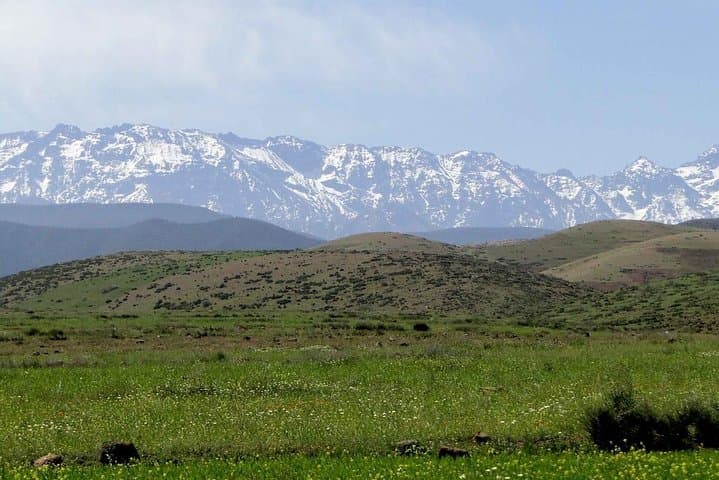
The road out of Marrakech narrows and rises, corkscrewing through argan-studded hills until the city lights are a distant warmth. By mid-morning the air cools and the High Atlas opens—rock ribs and snow fields gouging the horizon. At Oukaimeden, at roughly 3,275 m (about 10,744 ft), the world sharpens: wind-driven ridges, a small ski area, and a broad lookout that rewards the climb with wide, crystalline views.
Verified experiences and guided adventures in the surrounding area.
Operated by Time Out travel · Oukaimeden, Marrakech-Safi
The road out of Marrakech narrows and rises, corkscrewing through argan-studded hills until the city lights are a distant warmth. By mid-morning the air cools and the High Atlas opens—rock ribs and snow fields gouging the horizon. At Oukaimeden, at roughly 3,275 m (about 10,744 ft), the world sharpens: wind-driven ridges, a small ski area, and a broad lookout that rewards the climb with wide, crystalline views.
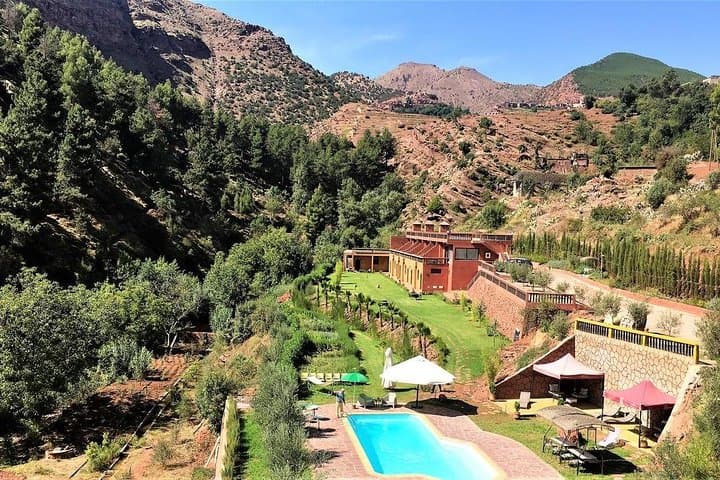
Geology here reads like a slow collision—African and Eurasian plates folded into jagged peaks over millions of years—while human history is quieter: small Berber villages have grazed flocks and practiced seasonal agriculture on these slopes for generations. On the return leg, the route drops into the Ourika Valley; stops often include a visit to a Berber house and a women's cooperative where argan oil is pressed and stories are traded over mint tea.
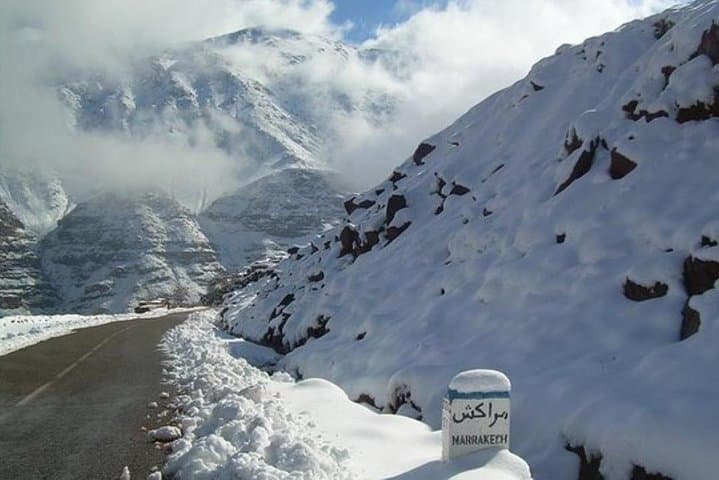
Practical guidance: this is a full-day, road-based excursion (about 10 hours total) with private, air-conditioned transport and onboard Wi‑Fi. Reliable snow usually falls December through March, but conditions vary—check forecasts. Dress in layers; temperatures can swing from warm valley air to near-freezing mountain wind. Altitude can affect breathing even on an easy walk at the summit; move deliberately and hydrate.
Photography is prime from the ridge and from small, lesser-visited viewpoints near the ski station. Respect local customs when visiting homes and cooperatives, and plan for a midday departure from Marrakech to make the most of light and road conditions.
easy.
10 hours.
Suitable for travelers in average condition; minimal hiking but expect short walks at altitude and vehicle transfers
Snow is most reliable from December through the end of March, but seasonal variation means some winters have earlier or later cover—check local forecasts before booking.
The full excursion is about 10 hours round-trip, including time at Oukaimeden and brief stops in the Ourika Valley; expect roughly 1.5–2 hours of driving each way depending on traffic and road conditions.
The transportation and main viewpoints are accessible by vehicle, but some short uneven sections may be present; the operator notes wheelchair-accessible options—confirm at booking for specific needs.
For the typical day-trip viewpoint and short walks, you won't need technical snow gear; microspikes can help if heavy snow or ice is present—ask the guide about conditions on the day.
The High Atlas is historically inhabited by Berber (Amazigh) communities who practiced seasonal grazing and small-scale agriculture; many villages still maintain traditional pottery and weaving skills.
The alpine environment is fragile—stick to established paths, avoid littering, and consider purchasing from local cooperatives to support sustainable livelihoods.
Time Out travel operates guided outdoor trips and adventures with an emphasis on safety, stewardship, and memorable experiences.
The road out of Marrakech narrows and rises, corkscrewing through argan-studded hills until the city lights are a distant warmth. By mid-morning the air cools and the High Atlas opens—rock ribs and snow fields gouging the horizon. At Oukaimeden, at roughly 3,275 m (about 10,744 ft), the world sharpens: wind-driven ridges, a small ski area, and a broad lookout that rewards the climb with wide, crystalline views.
The road out of Marrakech narrows and rises, corkscrewing through argan-studded hills until the city lights are a distant warmth. By mid-morning the air cools and the High Atlas opens—rock ribs and snow fields gouging the horizon. At Oukaimeden, at roughly 3,275 m (about 10,744 ft), the world sharpens: wind-driven ridges, a small ski area, and a broad lookout that rewards the climb with wide, crystalline views.
Geology here reads like a slow collision—African and Eurasian plates folded into jagged peaks over millions of years—while human history is quieter: small Berber villages have grazed flocks and practiced seasonal agriculture on these slopes for generations. On the return leg, the route drops into the Ourika Valley; stops often include a visit to a Berber house and a women's cooperative where argan oil is pressed and stories are traded over mint tea.
Practical guidance: this is a full-day, road-based excursion (about 10 hours total) with private, air-conditioned transport and onboard Wi‑Fi. Reliable snow usually falls December through March, but conditions vary—check forecasts. Dress in layers; temperatures can swing from warm valley air to near-freezing mountain wind. Altitude can affect breathing even on an easy walk at the summit; move deliberately and hydrate.
Photography is prime from the ridge and from small, lesser-visited viewpoints near the ski station. Respect local customs when visiting homes and cooperatives, and plan for a midday departure from Marrakech to make the most of light and road conditions.