THE ADVENTURE COLLECTIVE® · Independent discovery and booking for outdoor travel

Walk a snow-white sandbar, snorkel bright coral gardens and eat a real Malagasy lunch in a fishing village. This full-day private trip from Nosy Be pairs marine wildlife with local hospitality—ideal for travelers who want a budget-friendly, guided escape.
Walk a snow-white sandbar, snorkel bright coral gardens and eat a real Malagasy lunch in a fishing village. This full-day private trip from Nosy Be pairs marine wildlife with local hospitality—ideal for travelers who want a budget-friendly, guided escape.
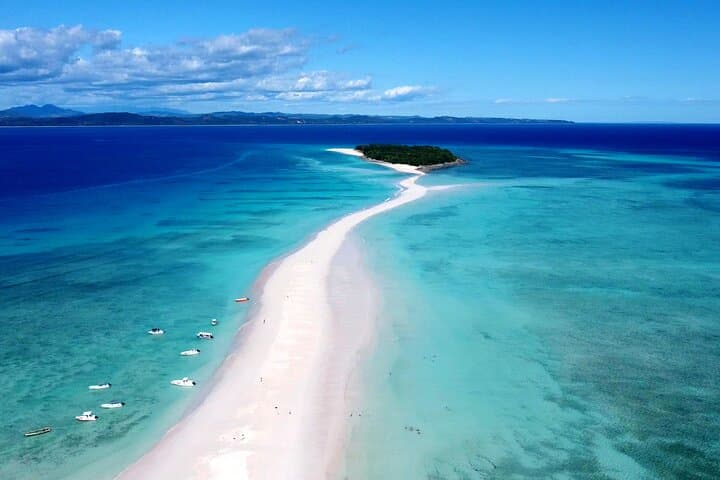
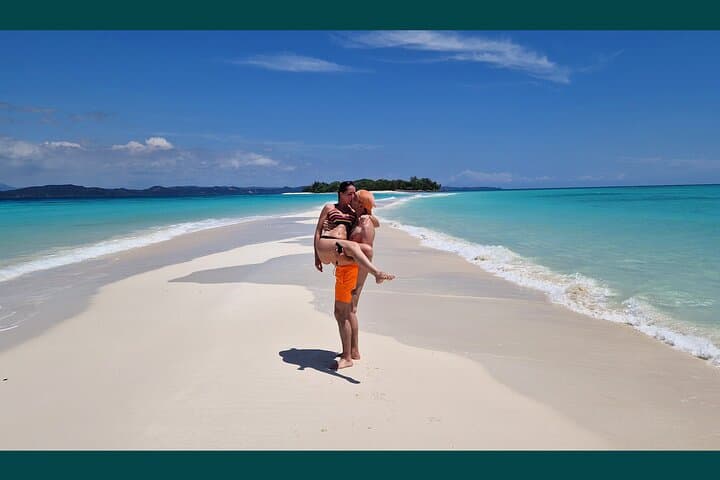
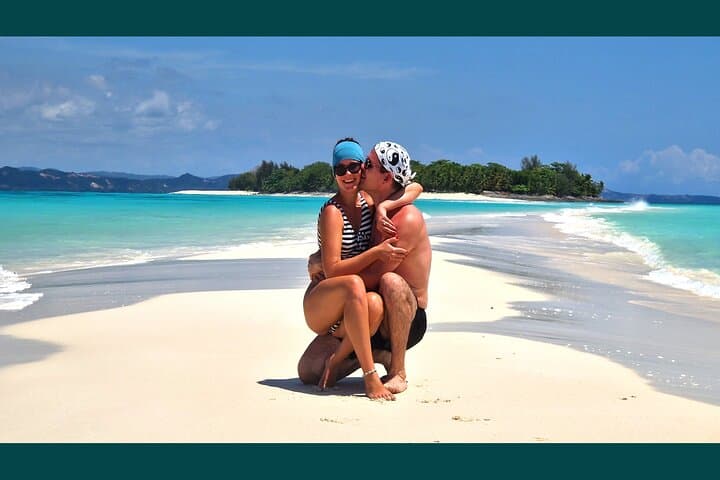
You step off the motorboat onto a ribbon of coral sand that, at low tide, reaches out like a pale tongue into the Indian Ocean. The wind pushes warm salt across your skin and the reef on your right hums with color; on your left the sandbar paces the horizon like a slow-moving island.
Verified experiences and guided adventures in the surrounding area.
Operated by Fossa Travel · Nosy Be, Diana
You step off the motorboat onto a ribbon of coral sand that, at low tide, reaches out like a pale tongue into the Indian Ocean. The wind pushes warm salt across your skin and the reef on your right hums with color; on your left the sandbar paces the horizon like a slow-moving island.
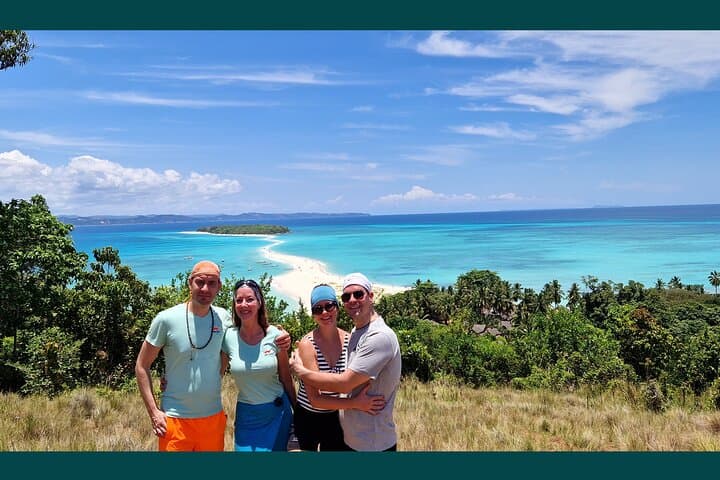
Nosy Iranja is two small islands that become one at low tide—about a 1.5 km stretch of white coral sand between them. Geologically the spit is built from broken coral and shell, shaped by currents that sweep sediments from nearby reefs. The larger island carries a compact fishing village shaded by coconut palms and a small iron-framed lighthouse often linked in local stories to Gustave Eiffel.
Culturally, visits are a mix of marine spectacle and village hospitality: fishermen still haul nets by hand, and lunches are served Malagasy-style—seafood, zebu or chicken with rice and tropical fruit.
Practical guidance: tours depart Nosy Be by motorboat (roughly 2 hours each way depending on seas). Plan for sun, reflected heat from white sand and intermittent shade. Snorkeling off the reef yields turtles, reef fish and occasional dolphin sightings; use reef-safe sunscreen and avoid stepping on coral. Bring cash for small purchases in the village and wear water shoes for walking over coral rubble.
Timing matters—aim for mid to late morning at low tide to walk the sandbar and early afternoon for clearer snorkel conditions. Your private guide manages logistics; be ready for a full 8–10 hour day on the water and ashore.
moderate.
8–10 hours.
Light-to-moderate fitness: able to board a small motorboat, walk on sand and shallow reef, and snorkel for short periods.
Expect roughly a 2-hour motorboat crossing each way, depending on sea conditions and the exact departure point on Nosy Be.
Yes—shallow reef sections are suitable for novices, but take a short briefing and stay with your guide; wear a flotation vest if unsure.
Yes; the tour includes a traditional Malagasy lunch served in the local fishing village, plus drinks and snacks provided during the day.
Facilities are basic in the village—plan accordingly and bring hand sanitizer and any personal items you may need.
The island has long been a seasonal fishing outpost for local Malagasy communities; the small iron lighthouse is a notable 19th/20th-century landmark often mentioned in local lore.
Coral reefs here are fragile—support guides who use mooring buoys, avoid anchoring on reefs, and follow reef-friendly sunscreen and waste practices.
Fossa Travel operates guided outdoor trips and adventures with an emphasis on safety, stewardship, and memorable experiences.
You step off the motorboat onto a ribbon of coral sand that, at low tide, reaches out like a pale tongue into the Indian Ocean. The wind pushes warm salt across your skin and the reef on your right hums with color; on your left the sandbar paces the horizon like a slow-moving island.
You step off the motorboat onto a ribbon of coral sand that, at low tide, reaches out like a pale tongue into the Indian Ocean. The wind pushes warm salt across your skin and the reef on your right hums with color; on your left the sandbar paces the horizon like a slow-moving island.
Nosy Iranja is two small islands that become one at low tide—about a 1.5 km stretch of white coral sand between them. Geologically the spit is built from broken coral and shell, shaped by currents that sweep sediments from nearby reefs. The larger island carries a compact fishing village shaded by coconut palms and a small iron-framed lighthouse often linked in local stories to Gustave Eiffel.
Culturally, visits are a mix of marine spectacle and village hospitality: fishermen still haul nets by hand, and lunches are served Malagasy-style—seafood, zebu or chicken with rice and tropical fruit.
Practical guidance: tours depart Nosy Be by motorboat (roughly 2 hours each way depending on seas). Plan for sun, reflected heat from white sand and intermittent shade. Snorkeling off the reef yields turtles, reef fish and occasional dolphin sightings; use reef-safe sunscreen and avoid stepping on coral. Bring cash for small purchases in the village and wear water shoes for walking over coral rubble.
Timing matters—aim for mid to late morning at low tide to walk the sandbar and early afternoon for clearer snorkel conditions. Your private guide manages logistics; be ready for a full 8–10 hour day on the water and ashore.