THE ADVENTURE COLLECTIVE® · Independent discovery and booking for outdoor travel

A full-day journey from border-side pickup to Nicaragua's living crater, colonial Granada and the Isletas on Lake Nicaragua. Expect volcanic viewpoints, a scenic boat ride and cultural stops with food included.
A full-day journey from border-side pickup to Nicaragua's living crater, colonial Granada and the Isletas on Lake Nicaragua. Expect volcanic viewpoints, a scenic boat ride and cultural stops with food included.
You step out of the van and the air changes — a warm, dry current that seems to come straight from the crater. Masaya Volcano waits only a few dozen paces away, its rim a raw band of black rock and sulfur-scented steam. The crater glows at dusk and, by day, it exhales heat like a living thing, daring you to feel the scale of active Earth.
Verified experiences and guided adventures in the surrounding area.
Operated by Alex On The Beach Adventures · Granada, Granada Department
You step out of the van and the air changes — a warm, dry current that seems to come straight from the crater. Masaya Volcano waits only a few dozen paces away, its rim a raw band of black rock and sulfur-scented steam. The crater glows at dusk and, by day, it exhales heat like a living thing, daring you to feel the scale of active Earth.
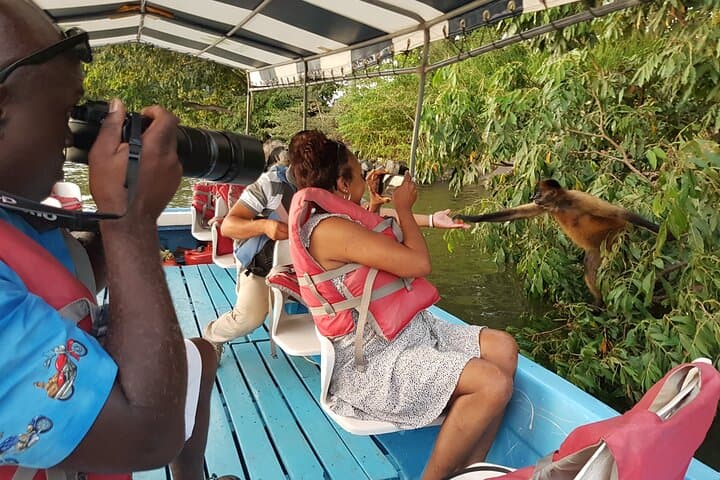
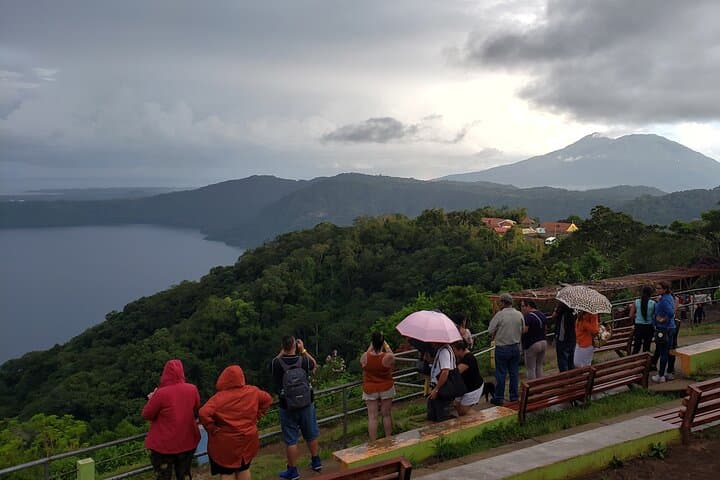
This one-day route stitches geology, colonial history and rural culture into ten hours. Masaya is a young volcanic complex that still vents gas from an open crater; nearby, the Catarina viewpoint frames the interlocked cones of Mombacho and the blue bowl of Laguna de Apoyo. Granada — founded in the 1520s and one of the earliest Spanish settlements on the mainland — shows off neoclassical churches, colorful facades and horse-drawn carriages that recall its layered past. A boat ride through Las Isletas, formed when volcanic material dammed the lake, gives you close encounters with herons and kingfishers.
Practical side: expect long, guided transfers, a short border formalities window and a moderate amount of standing and light walking. Bring a valid passport, sun protection and closed-toe shoes for crater edges and cobbled streets. Hydrate early and time your visit to Masaya for late afternoon light when gases thin and views broaden.
Local guides balance access with safety — follow their route markers, resist venturing onto delicate fumarole rims, and use the day to sample regional chocolate and local hospitality without rushing the rhythms of the landscape.
easy.
10 hours.
Suitable for travelers who can handle several short walks and periods of standing; not strenuous but full-day stamina required.
Yes — a valid passport is required for the border crossing; visa requirements depend on your nationality, so check ahead.
The tour is generally easy with short walks and standing at viewpoints; it isn’t suitable for those with serious spine, heart, or pregnancy restrictions listed by the operator.
Breakfast and lunch are included; notify booking staff in advance about allergies or dietary needs so the guide can accommodate them where possible.
Yes — the Isletas host waterbirds, small primates and reptiles; sightings vary by season and time of day but the boat ride is usually productive for birdwatching.
Granada was founded in 1524 and quickly became an administrative and commercial hub for Spanish Central America; its streets reflect colonial urban planning and centuries of trade.
Masaya National Park is managed to balance tourism with volcanic monitoring and habitat protection; on the lake, limit noise and refuse from boats to protect nesting birds and shoreline vegetation.
Alex On The Beach Adventures operates guided outdoor trips and adventures with an emphasis on safety, stewardship, and memorable experiences.
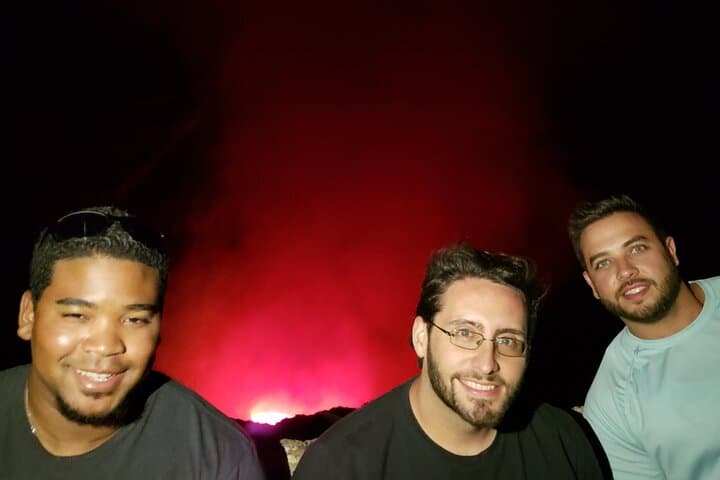
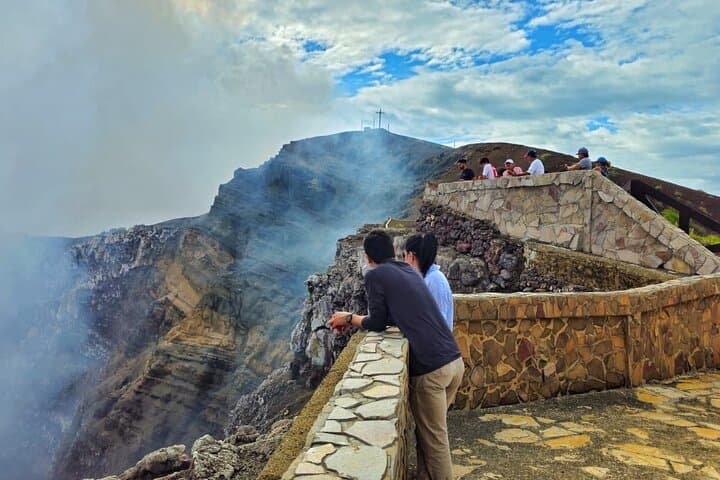
You step out of the van and the air changes — a warm, dry current that seems to come straight from the crater. Masaya Volcano waits only a few dozen paces away, its rim a raw band of black rock and sulfur-scented steam. The crater glows at dusk and, by day, it exhales heat like a living thing, daring you to feel the scale of active Earth.
You step out of the van and the air changes — a warm, dry current that seems to come straight from the crater. Masaya Volcano waits only a few dozen paces away, its rim a raw band of black rock and sulfur-scented steam. The crater glows at dusk and, by day, it exhales heat like a living thing, daring you to feel the scale of active Earth.
This one-day route stitches geology, colonial history and rural culture into ten hours. Masaya is a young volcanic complex that still vents gas from an open crater; nearby, the Catarina viewpoint frames the interlocked cones of Mombacho and the blue bowl of Laguna de Apoyo. Granada — founded in the 1520s and one of the earliest Spanish settlements on the mainland — shows off neoclassical churches, colorful facades and horse-drawn carriages that recall its layered past. A boat ride through Las Isletas, formed when volcanic material dammed the lake, gives you close encounters with herons and kingfishers.
Practical side: expect long, guided transfers, a short border formalities window and a moderate amount of standing and light walking. Bring a valid passport, sun protection and closed-toe shoes for crater edges and cobbled streets. Hydrate early and time your visit to Masaya for late afternoon light when gases thin and views broaden.
Local guides balance access with safety — follow their route markers, resist venturing onto delicate fumarole rims, and use the day to sample regional chocolate and local hospitality without rushing the rhythms of the landscape.