THE ADVENTURE COLLECTIVE® · Independent discovery and booking for outdoor travel

A full-day guided hike to Ndoro Waterfall takes you down through Chagga farmland into a cool spray-fed gorge. Expect stepped trails, local guides, and a vigorous climb back to village level—perfect as a standalone day trip or a complement to Kilimanjaro or safari itineraries.
A full-day guided hike to Ndoro Waterfall takes you down through Chagga farmland into a cool spray-fed gorge. Expect stepped trails, local guides, and a vigorous climb back to village level—perfect as a standalone day trip or a complement to Kilimanjaro or safari itineraries.
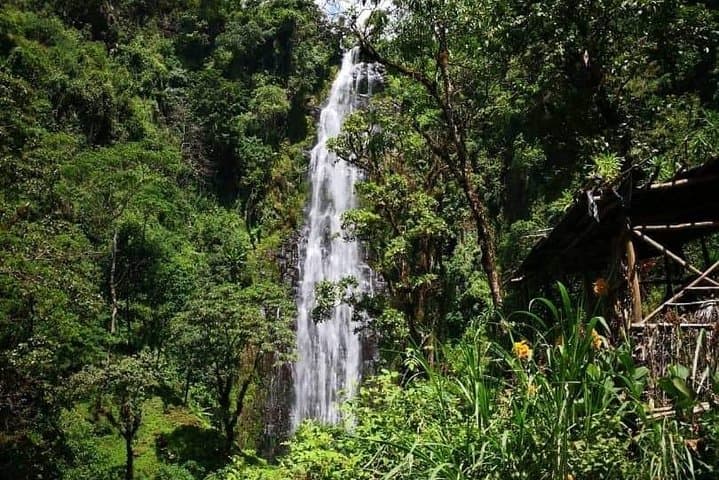
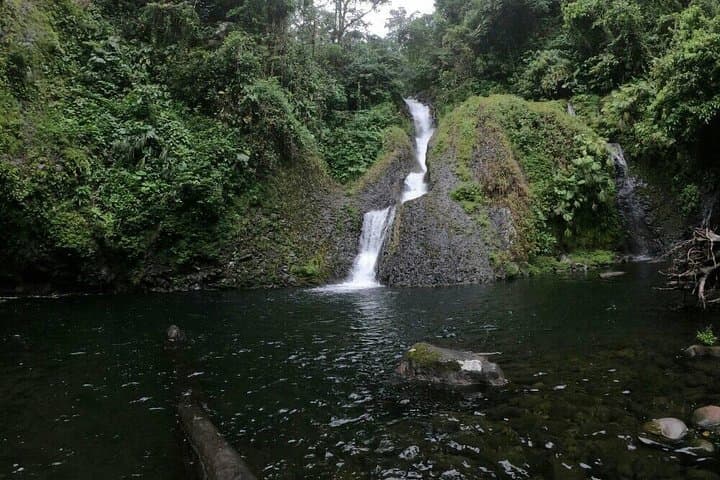
A cool mist meets you before the fall comes into view: Ndoro’s curtain of water throws a fine spray that lowers the valley temperature and sharpens the scent of wet earth and moss.
Verified experiences and guided adventures in the surrounding area.
Operated by Exceed Expectations Tours & Safari · Marangu, Kilimanjaro Region
A cool mist meets you before the fall comes into view: Ndoro’s curtain of water throws a fine spray that lowers the valley temperature and sharpens the scent of wet earth and moss.
The route begins in Chagga farmland outside Marangu, descending through terraced plots and coffee groves. The trail was hand-carved by generations—steps cut into volcanic soil and handrails of heavy branches guide the steeper sections. Geologically this is Kilimanjaro’s foothills: older lava flows and eroded volcanic soils that funnel runoff into narrow ravines and create waterfalls like Ndoro.
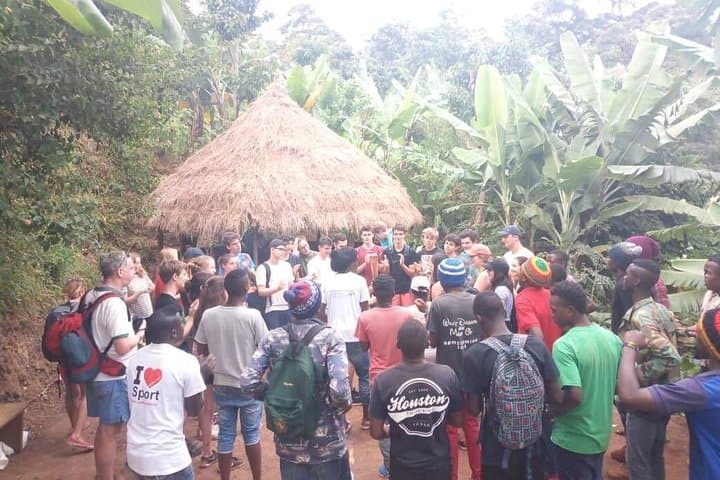
The Chagga people have worked these slopes for centuries, and the walk passes small settlements and banana-dominated agroforestry that sustain village life. Listen for the chatter of birds and the call of monkeys; local guides often point out medicinal plants and tell short histories of the path.
Practical guidance: the advertised program is a full-day outing that combines transport, a roughly one-hour approach hike to the entrance hut and a descent to the waterfall base via stepped trails. Expect steep return climbs—your heart will get a workout on the way up. Wear sturdy boots with traction, bring at least 1–1.5 liters of water, and pack a light rain shell; spray from the fall plus tropical cloud can make conditions damp.
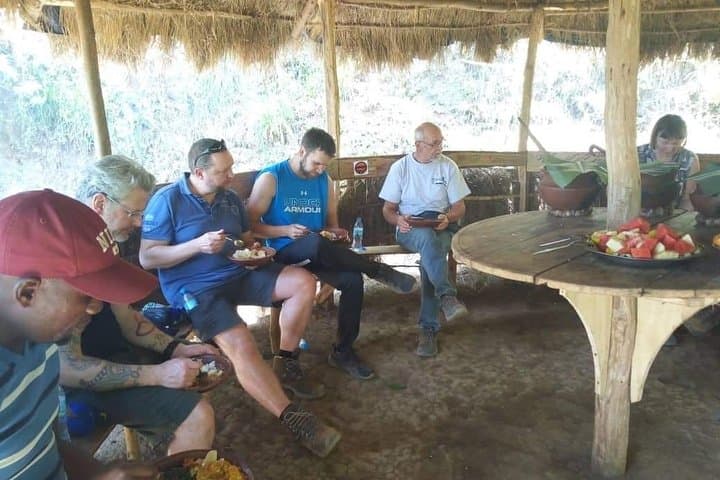
Timing matters: morning departures give cooler ascents and softer light on the fall. The entrance area has basic facilities and provides a rest point before the climb back up. Guides supply local knowledge, a hiking stick if needed, and usually include lunch.
moderate.
10–12 hours (full-day with transfers).
Suitable for most people in reasonable health; you should be comfortable with an hour of uneven uphill walking and stair-like sections.
Most groups do a one-hour approach to the entrance hut, then a shorter descent to the waterfall base; the full tour is run as a day trip including transport and lunch.
The trail includes stepped, occasionally steep sections with simple handrail branches—no technical climbing but the return uphill requires steady footing and moderate fitness.
Organized day trips typically include a local guide and lunch; confirm pickup details and any dietary needs when booking.
The route is not recommended for those with serious back, heart problems, or limited mobility due to uneven steps and the uphill return; children may join if supervised and fit for walking.
The trail runs through Chagga agricultural land; the Chagga shaped terraced farming systems that still define the slopes around Marangu.
Stick to marked trails, avoid disturbing forest patches, and use local guides to support the village economy and minimize impact.
Exceed Expectations Tours & Safari operates guided outdoor trips and adventures with an emphasis on safety, stewardship, and memorable experiences.
A cool mist meets you before the fall comes into view: Ndoro’s curtain of water throws a fine spray that lowers the valley temperature and sharpens the scent of wet earth and moss.
A cool mist meets you before the fall comes into view: Ndoro’s curtain of water throws a fine spray that lowers the valley temperature and sharpens the scent of wet earth and moss.
The route begins in Chagga farmland outside Marangu, descending through terraced plots and coffee groves. The trail was hand-carved by generations—steps cut into volcanic soil and handrails of heavy branches guide the steeper sections. Geologically this is Kilimanjaro’s foothills: older lava flows and eroded volcanic soils that funnel runoff into narrow ravines and create waterfalls like Ndoro.
The Chagga people have worked these slopes for centuries, and the walk passes small settlements and banana-dominated agroforestry that sustain village life. Listen for the chatter of birds and the call of monkeys; local guides often point out medicinal plants and tell short histories of the path.
Practical guidance: the advertised program is a full-day outing that combines transport, a roughly one-hour approach hike to the entrance hut and a descent to the waterfall base via stepped trails. Expect steep return climbs—your heart will get a workout on the way up. Wear sturdy boots with traction, bring at least 1–1.5 liters of water, and pack a light rain shell; spray from the fall plus tropical cloud can make conditions damp.
Timing matters: morning departures give cooler ascents and softer light on the fall. The entrance area has basic facilities and provides a rest point before the climb back up. Guides supply local knowledge, a hiking stick if needed, and usually include lunch.