THE ADVENTURE COLLECTIVE® · Independent discovery and booking for outdoor travel

Spend a full day around Mount Fuji visiting the Subaru Line 5th Station or Arakurayama Sengen Park, the clear springs of Oshino Hakkai, and an option to soak in a hot spring or shop at Gotemba Outlets. This route pairs dramatic viewpoints with accessible short walks.
Spend a full day around Mount Fuji visiting the Subaru Line 5th Station or Arakurayama Sengen Park, the clear springs of Oshino Hakkai, and an option to soak in a hot spring or shop at Gotemba Outlets. This route pairs dramatic viewpoints with accessible short walks.
You arrive before the crowds: low clouds break over a broad, conical silhouette and the air smells faintly of cedar and volcanic rock. The road climbs and, at the 5th Station, the mountain seems to breathe — wind tugging at jackets, clouds drifting like sleeves across the summit. At Arakurayama Sengen Park the pagoda frames Fuji's profile; at Oshino Hakkai, spring-fed ponds reflect a peak that demands a second look.
Verified experiences and guided adventures in the surrounding area.
Operated by Scenic Bend · Fujiyoshida, Yamanashi
You arrive before the crowds: low clouds break over a broad, conical silhouette and the air smells faintly of cedar and volcanic rock. The road climbs and, at the 5th Station, the mountain seems to breathe — wind tugging at jackets, clouds drifting like sleeves across the summit. At Arakurayama Sengen Park the pagoda frames Fuji's profile; at Oshino Hakkai, spring-fed ponds reflect a peak that demands a second look.
Mount Fuji has long been both a geological landmark and a cultural axis. The volcano's layers of basalt and pumice record repeated eruptions; pilgrims and poets have circled its base for centuries and Asama shrines mark its spiritual importance. Oshino Hakkai’s eight springs are filtered snowmelt, historically prized for clarity and credited with sustaining local rice terraces and communities.
Expect a mix of short walks and scenic stops rather than serious hiking: boardwalks and village lanes, paved viewpoints, and a higher-altitude visitor area at about 2,305 m. Weather is the wildcard — visibility can shift in minutes — so timing and flexibility are crucial.
Practical guidance: travel light, wear sturdy shoes for uneven paths, and layer for big temperature swings between Tokyo and the mountain. Bring cash for small stalls and plan your photography window early in the day for the best light. If you choose the hot-spring option, allot two hours for transport and bathing — onsens here are designed for soaking with a view. Whether you chase vistas or quiet springs, the day balances geology, culture, and a practical dose of planning.
moderate.
10 hours.
Suitable for travelers with moderate fitness who can manage short walks on uneven ground and stairs; no sustained hiking required.
No — visibility depends on weather. Guides monitor forecasts and may alter stops; clear mornings offer the best chance for unobstructed views.
Lunch is not included; the itinerary allocates time for a meal at a rest stop or local restaurant and you should budget for it.
Yes — the tour offers pickup points in Tokyo. Confirm your pickup location and arrive 10 minutes early to avoid missing the coach.
The Subaru Line route to the 5th Station can have seasonal closures for snow; between December and April the tour may visit Arakurayama instead.
Mount Fuji has been a sacred site for Shinto practice and mountain pilgrimage for centuries; Asama shrines and climbing routes reflect its cultural role.
Fuji and its springs are protected; visitors are asked to stay on paths, avoid taking water samples, and pack out litter to protect fragile spring-fed ecosystems.
Scenic Bend operates guided outdoor trips and adventures with an emphasis on safety, stewardship, and memorable experiences.
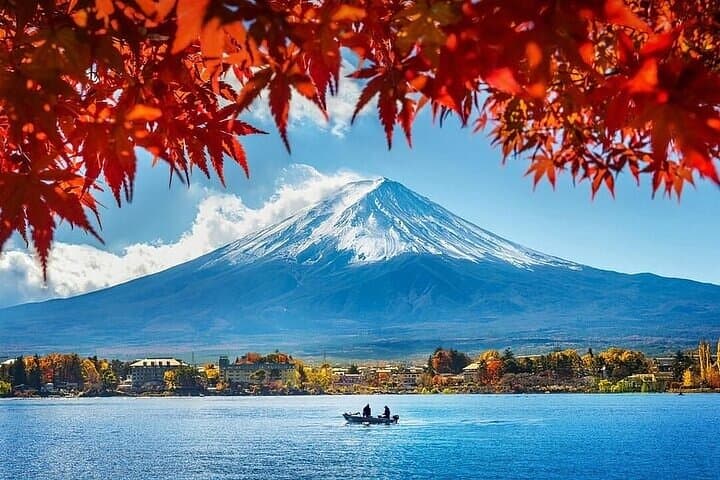
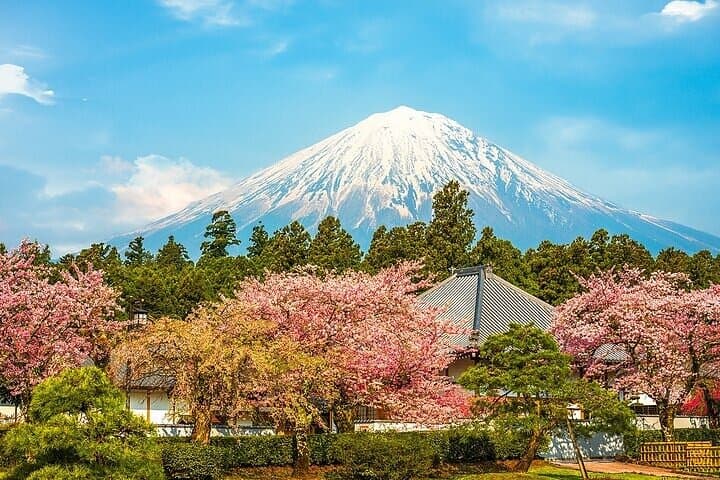
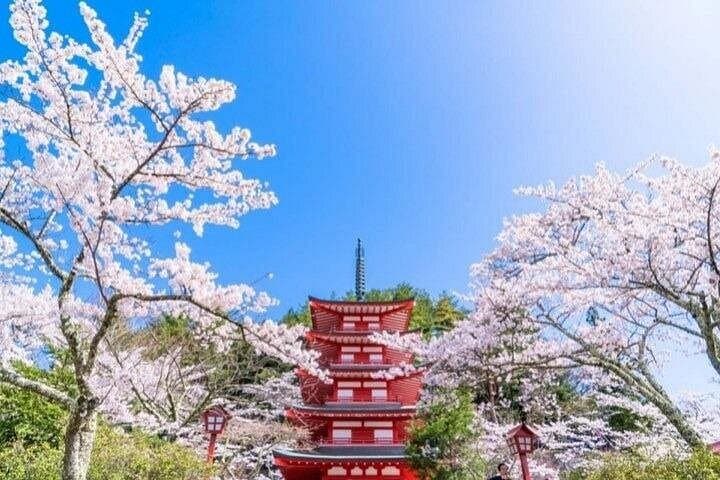
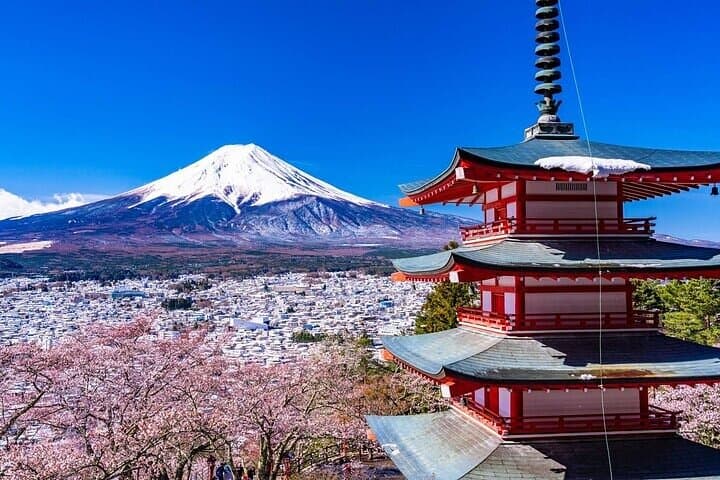
You arrive before the crowds: low clouds break over a broad, conical silhouette and the air smells faintly of cedar and volcanic rock. The road climbs and, at the 5th Station, the mountain seems to breathe — wind tugging at jackets, clouds drifting like sleeves across the summit. At Arakurayama Sengen Park the pagoda frames Fuji's profile; at Oshino Hakkai, spring-fed ponds reflect a peak that demands a second look.
You arrive before the crowds: low clouds break over a broad, conical silhouette and the air smells faintly of cedar and volcanic rock. The road climbs and, at the 5th Station, the mountain seems to breathe — wind tugging at jackets, clouds drifting like sleeves across the summit. At Arakurayama Sengen Park the pagoda frames Fuji's profile; at Oshino Hakkai, spring-fed ponds reflect a peak that demands a second look.
Mount Fuji has long been both a geological landmark and a cultural axis. The volcano's layers of basalt and pumice record repeated eruptions; pilgrims and poets have circled its base for centuries and Asama shrines mark its spiritual importance. Oshino Hakkai’s eight springs are filtered snowmelt, historically prized for clarity and credited with sustaining local rice terraces and communities.
Expect a mix of short walks and scenic stops rather than serious hiking: boardwalks and village lanes, paved viewpoints, and a higher-altitude visitor area at about 2,305 m. Weather is the wildcard — visibility can shift in minutes — so timing and flexibility are crucial.
Practical guidance: travel light, wear sturdy shoes for uneven paths, and layer for big temperature swings between Tokyo and the mountain. Bring cash for small stalls and plan your photography window early in the day for the best light. If you choose the hot-spring option, allot two hours for transport and bathing — onsens here are designed for soaking with a view. Whether you chase vistas or quiet springs, the day balances geology, culture, and a practical dose of planning.