THE ADVENTURE COLLECTIVE® · Independent discovery and booking for outdoor travel

Escape Fez for a day in the Middle Atlas: stroll European-style streets in Ifrane, gaze across cedar forests, and meet the Barbary macaques around Azrou. This doable day trip balances light hiking, cultural stops, and wildlife viewing.
Escape Fez for a day in the Middle Atlas: stroll European-style streets in Ifrane, gaze across cedar forests, and meet the Barbary macaques around Azrou. This doable day trip balances light hiking, cultural stops, and wildlife viewing.
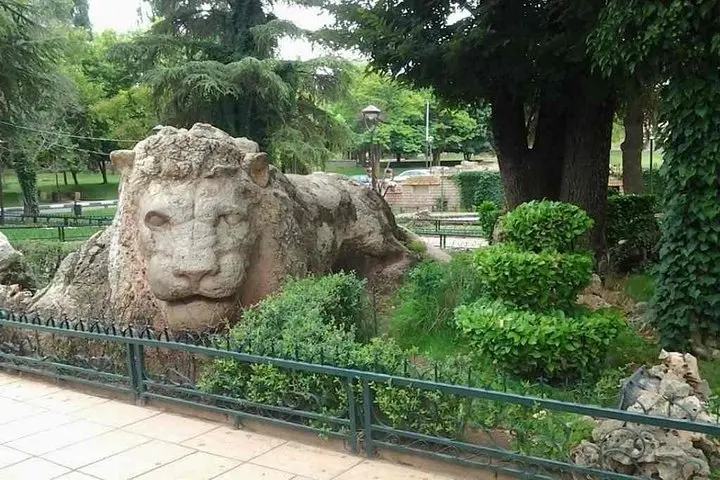
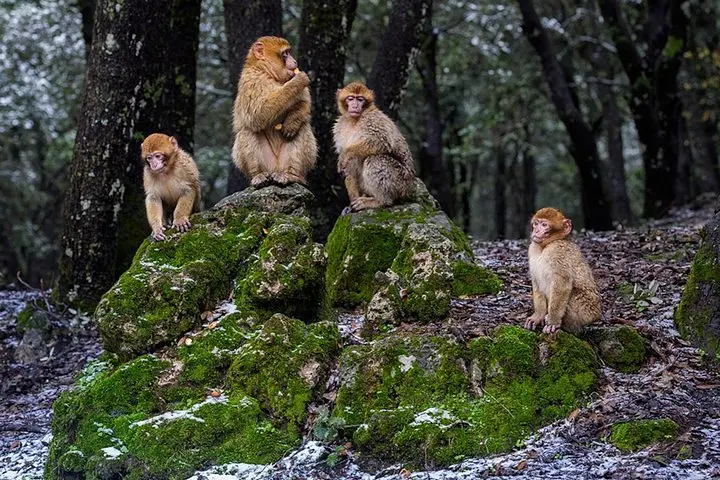
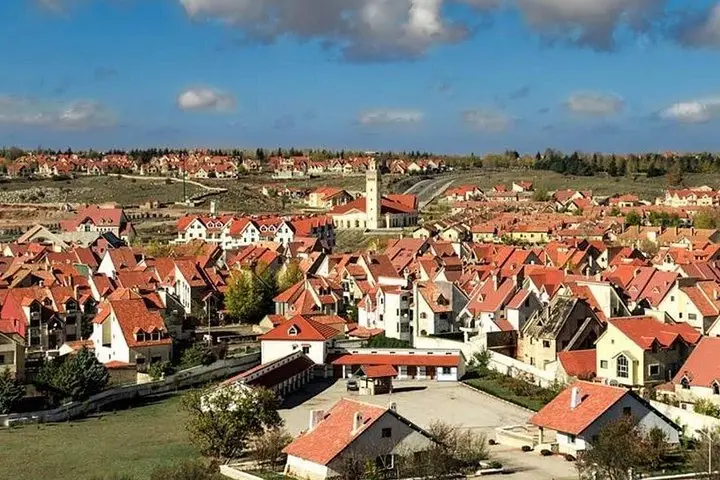
A cool mountain wind meets the minibus as it leaves Fez and climbs into the Middle Atlas, where cedar trunks crowd the road and the air sharpens. Travelers arrive in Ifrane first — a tidy town of stone roofs and parks that feels more Alpine than Moroccan — then continue through ringed peaks to cedar groves where Barbary macaques move like deliberate shadows through the branches. The landscape alternates between rounded hills, pockets of high-elevation lakes, and flat-topped volcanic plateaus that mark the Middle Atlas’s geological identity: sedimentary basins cut by ancient volcanic flows.
Verified experiences and guided adventures in the surrounding area.
Operated by Morocco desert trips · Ifrane, Fès-Meknès
A cool mountain wind meets the minibus as it leaves Fez and climbs into the Middle Atlas, where cedar trunks crowd the road and the air sharpens. Travelers arrive in Ifrane first — a tidy town of stone roofs and parks that feels more Alpine than Moroccan — then continue through ringed peaks to cedar groves where Barbary macaques move like deliberate shadows through the branches. The landscape alternates between rounded hills, pockets of high-elevation lakes, and flat-topped volcanic plateaus that mark the Middle Atlas’s geological identity: sedimentary basins cut by ancient volcanic flows.
Ifrane’s grid and chalet-style buildings are a product of the French protectorate era (early 20th century), built as a mountain retreat. Azrou, by contrast, is a market town shaped by Amazigh (Berber) culture and long-standing pastoral traditions. The cedars here (Cedrus atlantica) are ecological keystones, supporting rare mammals and migratory birds.
Expect short walks on uneven dirt tracks, viewpoints above the valleys, and encounters with local vendors at Azrou’s market. Guides often include a stop at Dayet Aoua or other small lakes for photos. The tone of the day is exploratory: moderate driving punctuated by active, easy walking and wildlife observation.
Practical advice: bring layered clothing for sharp temperature swings, sturdy shoes for muddy or rocky trails, and water for the day. Be respectful around macaques — do not feed or approach them. Aim for a morning departure from Fez to avoid mid-afternoon traffic and to enjoy the clearest light on the cedars.
The round-trip day tour typically runs 5–7 hours on the road, with about 1–1.5 hours of driving between major stops depending on traffic and exact route.
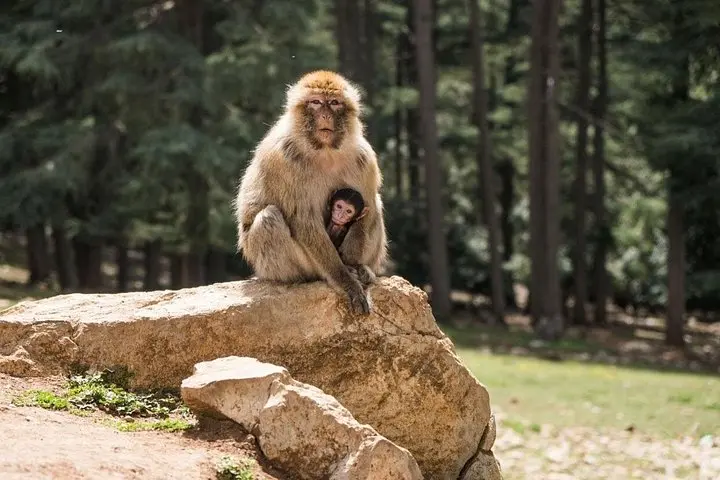
You can observe Barbary macaques in the cedar forests around Azrou, but encounters vary; they are wild animals — always maintain distance and avoid feeding them.
Yes; the tour is family-friendly with easy walks, but supervise children around wildlife and on uneven trails.
Spring and fall offer mild temperatures and clear skies; winter can bring snow around Ifrane for a different experience, while summer is warmer at lower elevations.
Morocco desert trips operates guided outdoor trips and adventures with an emphasis on safety, stewardship, and memorable experiences.
A cool mountain wind meets the minibus as it leaves Fez and climbs into the Middle Atlas, where cedar trunks crowd the road and the air sharpens. Travelers arrive in Ifrane first — a tidy town of stone roofs and parks that feels more Alpine than Moroccan — then continue through ringed peaks to cedar groves where Barbary macaques move like deliberate shadows through the branches. The landscape alternates between rounded hills, pockets of high-elevation lakes, and flat-topped volcanic plateaus that mark the Middle Atlas’s geological identity: sedimentary basins cut by ancient volcanic flows.
A cool mountain wind meets the minibus as it leaves Fez and climbs into the Middle Atlas, where cedar trunks crowd the road and the air sharpens. Travelers arrive in Ifrane first — a tidy town of stone roofs and parks that feels more Alpine than Moroccan — then continue through ringed peaks to cedar groves where Barbary macaques move like deliberate shadows through the branches. The landscape alternates between rounded hills, pockets of high-elevation lakes, and flat-topped volcanic plateaus that mark the Middle Atlas’s geological identity: sedimentary basins cut by ancient volcanic flows.
Ifrane’s grid and chalet-style buildings are a product of the French protectorate era (early 20th century), built as a mountain retreat. Azrou, by contrast, is a market town shaped by Amazigh (Berber) culture and long-standing pastoral traditions. The cedars here (Cedrus atlantica) are ecological keystones, supporting rare mammals and migratory birds.
Expect short walks on uneven dirt tracks, viewpoints above the valleys, and encounters with local vendors at Azrou’s market. Guides often include a stop at Dayet Aoua or other small lakes for photos. The tone of the day is exploratory: moderate driving punctuated by active, easy walking and wildlife observation.
Practical advice: bring layered clothing for sharp temperature swings, sturdy shoes for muddy or rocky trails, and water for the day. Be respectful around macaques — do not feed or approach them. Aim for a morning departure from Fez to avoid mid-afternoon traffic and to enjoy the clearest light on the cedars.