THE ADVENTURE COLLECTIVE® · Independent discovery and booking for outdoor travel

A full-day private drive from Dubrovnik into Montenegro that follows the edge of Kotor Bay—visit Perast, Kotor’s old town, Trojica viewpoint and Porto Montenegro with a local driver-guide. Learn the bay’s maritime history while enjoying coastal panoramas and convenient ferry crossings.
A full-day private drive from Dubrovnik into Montenegro that follows the edge of Kotor Bay—visit Perast, Kotor’s old town, Trojica viewpoint and Porto Montenegro with a local driver-guide. Learn the bay’s maritime history while enjoying coastal panoramas and convenient ferry crossings.
You step into the car in Dubrovnik before dawn and the Adriatic slides past like a ribbon of silver—olive groves, low stone walls and villages stacking toward the water as the driver threads the coastal road toward Montenegro.
Verified experiences and guided adventures in the surrounding area.
Operated by Lupus Travel · Kotor, Kotor Municipality
You step into the car in Dubrovnik before dawn and the Adriatic slides past like a ribbon of silver—olive groves, low stone walls and villages stacking toward the water as the driver threads the coastal road toward Montenegro.
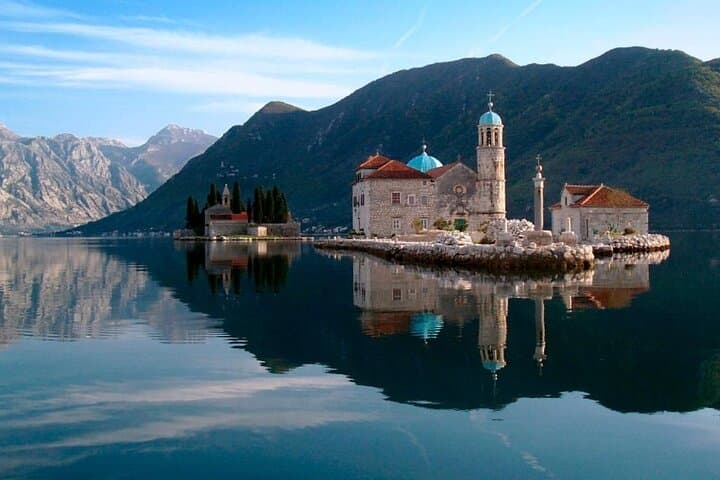
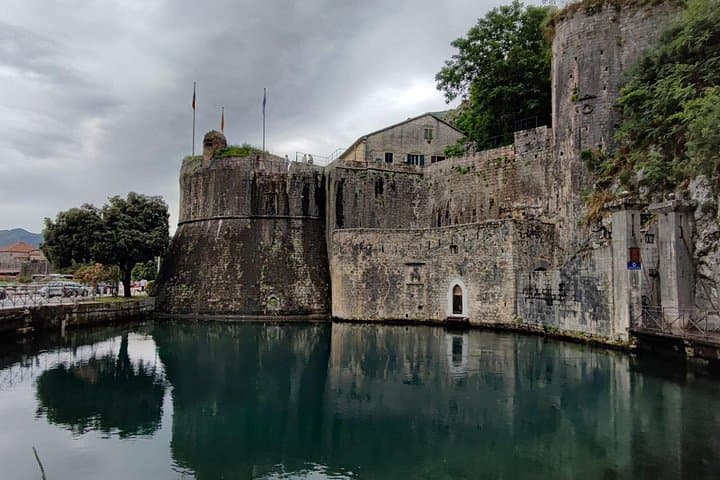
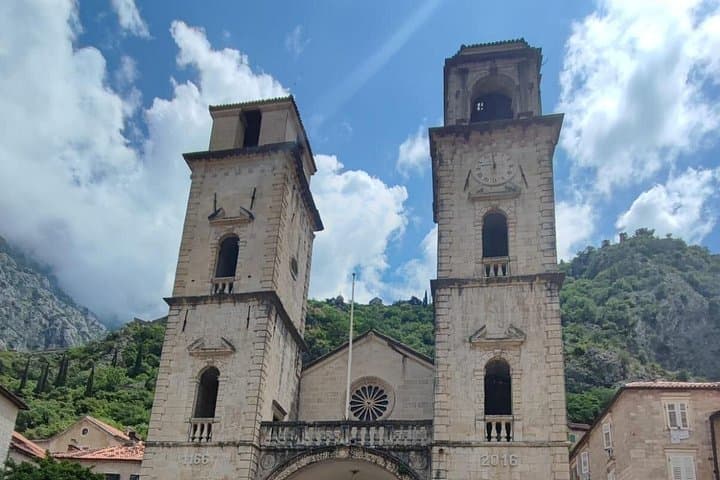
Crossing the border, the landscape shifts: Kotor Bay opens like a cleft in the coast, its steep limestone walls pressing the sea into deep, placid fjords. Perast’s white churches perch at the water’s edge; the tiny artificial island of Our Lady of the Rocks looks sculpted by centuries of boatmen. In Kotor, narrow streets and massive Venetian walls tell of merchant fleets and maritime rivalries that shaped the Bay’s identity. Porto Montenegro, by contrast, is new money—slick yachts and glass façades where the bay meets modern marina life.
Geology here is clear: karst limestone cliffs drop to the waterline, creating sheltered coves and sudden viewpoints. Cultural layers—from Illyrian and Roman traces to Venetian maritime architecture—are readable in stone and harbor plans.
Practically, expect a long but comfortable day: roughly 190 km round-trip (about 118 miles) with 9–10 hours of touring, including a short ferry crossing across Kotor Bay and a brief stop at Trojica pass for an elevated panorama about 200–300 m above sea level. Bring passports for border control, comfortable shoes for cobbled streets, and a daylight plan—lunch options are best in Kotor or Porto Montenegro. Hydrate between stops and give yourself time to wander Kotor’s ramparts if you want the best perspective of the bay.
easy.
9–10 hours.
Suitable for most fitness levels; involves short walks on cobbles and standing for viewpoints but no sustained hiking.
Yes. You must carry a valid passport for the Croatia–Montenegro border crossing; check visa requirements for your nationality before travel.
The round trip covers roughly 190 km (about 118 miles) and the full day typically runs 9–10 hours including stops and a short ferry crossing across Kotor Bay.
Lunch is not included; typical stops for lunch are Kotor or Porto Montenegro where there are multiple restaurants and cafés to choose from.
Yes—many private tours can be customized to extend free time in Kotor, but confirm this with the operator in advance for timing and border arrangements.
The Bay of Kotor has been a strategic maritime crossroads for centuries, with strong Venetian influence visible in town walls and seafaring architecture.
The bay’s narrow waters are sensitive to cruise and yacht traffic; choose responsible operators, avoid littering, and respect protected shoreline sites.
Lupus Travel operates guided outdoor trips and adventures with an emphasis on safety, stewardship, and memorable experiences.
You step into the car in Dubrovnik before dawn and the Adriatic slides past like a ribbon of silver—olive groves, low stone walls and villages stacking toward the water as the driver threads the coastal road toward Montenegro.
You step into the car in Dubrovnik before dawn and the Adriatic slides past like a ribbon of silver—olive groves, low stone walls and villages stacking toward the water as the driver threads the coastal road toward Montenegro.
Crossing the border, the landscape shifts: Kotor Bay opens like a cleft in the coast, its steep limestone walls pressing the sea into deep, placid fjords. Perast’s white churches perch at the water’s edge; the tiny artificial island of Our Lady of the Rocks looks sculpted by centuries of boatmen. In Kotor, narrow streets and massive Venetian walls tell of merchant fleets and maritime rivalries that shaped the Bay’s identity. Porto Montenegro, by contrast, is new money—slick yachts and glass façades where the bay meets modern marina life.
Geology here is clear: karst limestone cliffs drop to the waterline, creating sheltered coves and sudden viewpoints. Cultural layers—from Illyrian and Roman traces to Venetian maritime architecture—are readable in stone and harbor plans.
Practically, expect a long but comfortable day: roughly 190 km round-trip (about 118 miles) with 9–10 hours of touring, including a short ferry crossing across Kotor Bay and a brief stop at Trojica pass for an elevated panorama about 200–300 m above sea level. Bring passports for border control, comfortable shoes for cobbled streets, and a daylight plan—lunch options are best in Kotor or Porto Montenegro. Hydrate between stops and give yourself time to wander Kotor’s ramparts if you want the best perspective of the bay.