THE ADVENTURE COLLECTIVE® · Independent discovery and booking for outdoor travel

A full-day shore excursion from Le Havre that delivers classic views of Mont Saint-Michel, guided history, and free time to explore the abbey and village. Expect a long coach transfer, coastal panoramas, and cobbled streets climbed by centuries of pilgrims.
A full-day shore excursion from Le Havre that delivers classic views of Mont Saint-Michel, guided history, and free time to explore the abbey and village. Expect a long coach transfer, coastal panoramas, and cobbled streets climbed by centuries of pilgrims.
You arrive off the ship, the port air sharp with salt and diesel, and the coach hums to life for a long, scenic drive across Normandy.
Verified experiences and guided adventures in the surrounding area.
Operated by Vexperio · Mont Saint-Michel, Manche
You arrive off the ship, the port air sharp with salt and diesel, and the coach hums to life for a long, scenic drive across Normandy.
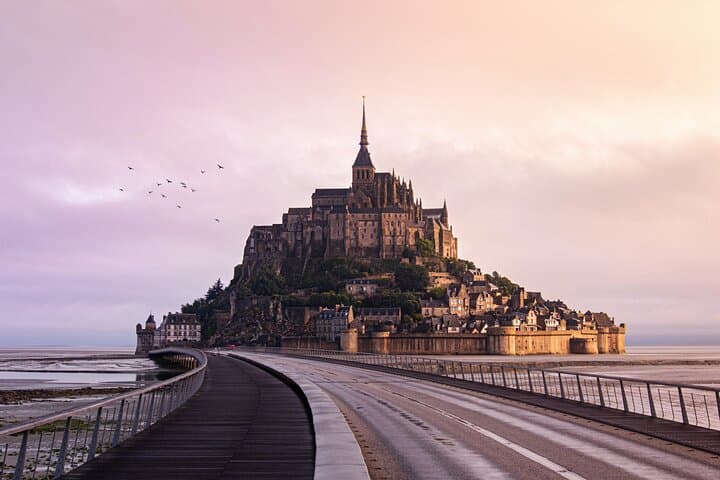
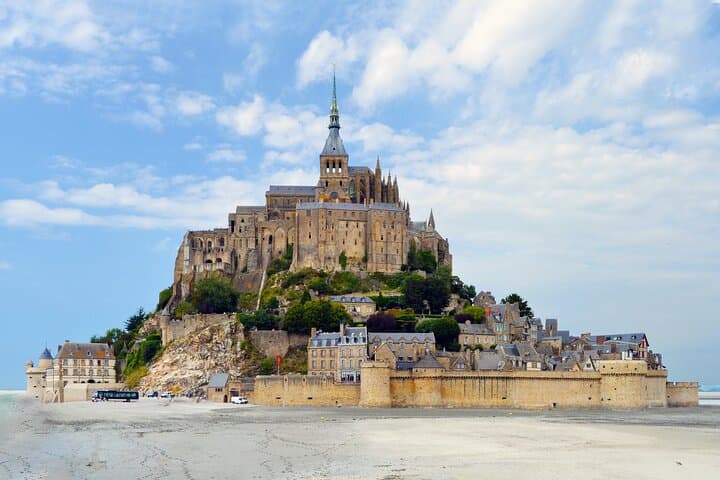
The route opens like a map: pasture, hedgerow, and the slow draw of the bay until Mont Saint-Michel rises from the flats—an island where stone climbs skyward and the tide writes the timetable. Your guide threads history into the ride, explaining how monks and pilgrims shaped the abbey’s silhouette and how the bay’s extreme tides sculpt the mudflats that surround it.
Geologically, the mount sits on a granitic outcrop welded to a tidal plain; currents and sediment have made the bay a living landscape that still shifts with each high tide. Culturally, this was both fortress and monastery, a medieval crossroads where Breton, Norman and ecclesiastical forces met. Nearby villages like Pontorson supplied pilgrims and fishers for centuries, and you’ll sense that layered human presence in the cobbled streets and worn steps.
On arrival you transfer by shuttle and walk into the lower village. The guided portion focuses on architectural highlights and the island’s role in pilgrimage; afterward you’ll have free time to climb to the abbey (about 350 steps, ticket not included), photograph tidal panoramas, or sample Normandy crepes in a side street.
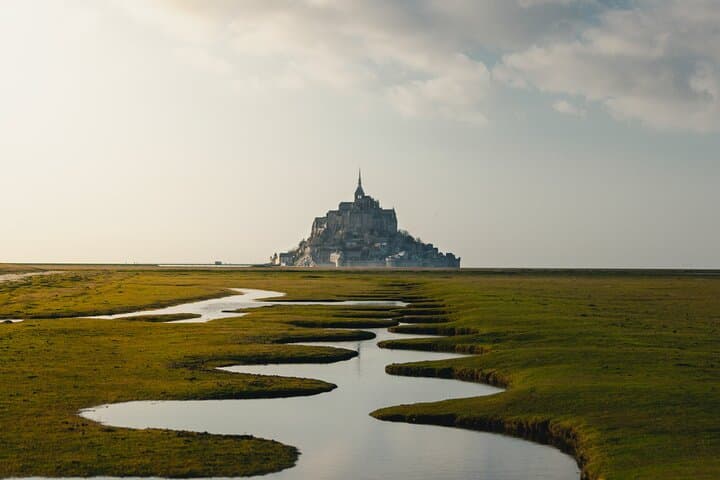
Practical guidance: wear grippy shoes for cobbles and stairs, bring water and a compact rain layer, and allow the full 10–11 hour window for transport plus exploration. If tides interest you, schedule photos near low tide when the bay opens and the mount stands clearly above the flats.
moderate.
10–11 hours.
Moderate fitness: you’ll be on your feet for walking and may climb up to 350 steps if you visit the abbey.
Plan on roughly 3 to 3.5 hours each way depending on traffic; the full excursion lasts about 10–11 hours including stops.
No — the guided tour covers the village and ramparts; the abbey has a separate admission fee (around €16) and you can buy tickets on-site.
There is a shuttle (Passeur) from the parking area to the island and lower village is mostly walkable, but the abbey itself has many steep steps and limited accessibility.
Tide times vary; your guide can explain local schedules—low tide reveals the bay expanses, high tide surrounds the mount and changes the view dramatically.
Mont Saint-Michel evolved from an early medieval monastery into a fortified pilgrimage site; its layered architecture reflects centuries of religious and military use.
The bay’s tidal flats are ecologically sensitive; visitors should stay on marked paths and respect signage—efforts continue to reduce causeway impact and restore natural water flow.
Vexperio operates guided outdoor trips and adventures with an emphasis on safety, stewardship, and memorable experiences.

You arrive off the ship, the port air sharp with salt and diesel, and the coach hums to life for a long, scenic drive across Normandy.
You arrive off the ship, the port air sharp with salt and diesel, and the coach hums to life for a long, scenic drive across Normandy.
The route opens like a map: pasture, hedgerow, and the slow draw of the bay until Mont Saint-Michel rises from the flats—an island where stone climbs skyward and the tide writes the timetable. Your guide threads history into the ride, explaining how monks and pilgrims shaped the abbey’s silhouette and how the bay’s extreme tides sculpt the mudflats that surround it.
Geologically, the mount sits on a granitic outcrop welded to a tidal plain; currents and sediment have made the bay a living landscape that still shifts with each high tide. Culturally, this was both fortress and monastery, a medieval crossroads where Breton, Norman and ecclesiastical forces met. Nearby villages like Pontorson supplied pilgrims and fishers for centuries, and you’ll sense that layered human presence in the cobbled streets and worn steps.
On arrival you transfer by shuttle and walk into the lower village. The guided portion focuses on architectural highlights and the island’s role in pilgrimage; afterward you’ll have free time to climb to the abbey (about 350 steps, ticket not included), photograph tidal panoramas, or sample Normandy crepes in a side street.
Practical guidance: wear grippy shoes for cobbles and stairs, bring water and a compact rain layer, and allow the full 10–11 hour window for transport plus exploration. If tides interest you, schedule photos near low tide when the bay opens and the mount stands clearly above the flats.