THE ADVENTURE COLLECTIVE® · Independent discovery and booking for outdoor travel

Travelers leave Quito for a day in Mindo’s cloud forest—hummingbird platforms, a tarabita crossing, and a walk to Nambillo Waterfall offer concentrated wildlife viewing and dramatic scenery. This guide explains what to expect, how to prepare, and local tips for making the most of the excursion.
Travelers leave Quito for a day in Mindo’s cloud forest—hummingbird platforms, a tarabita crossing, and a walk to Nambillo Waterfall offer concentrated wildlife viewing and dramatic scenery. This guide explains what to expect, how to prepare, and local tips for making the most of the excursion.
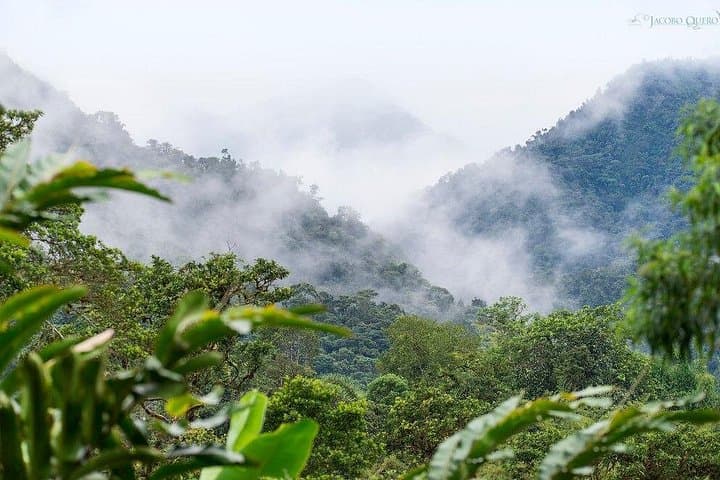
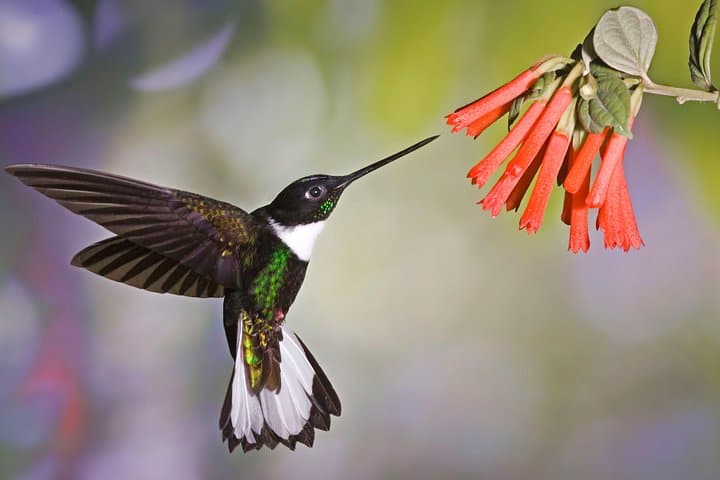
A morning departure from Quito eases down the western slopes and the air changes—cooler, damp, threaded with birdcalls. On this full‑day excursion to Mindo you cross from high Andean scrub into the lower cloud forest, where mist drapes the canopy and a small tarabita (cable gondola) drops you into dense, epiphyte‑draped trees. Hummingbirds hover like quick punctuation; the river below dares you toward the Nambillo waterfall.
Verified experiences and guided adventures in the surrounding area.
Operated by Perfect Destiny · Mindo, Pichincha
A morning departure from Quito eases down the western slopes and the air changes—cooler, damp, threaded with birdcalls. On this full‑day excursion to Mindo you cross from high Andean scrub into the lower cloud forest, where mist drapes the canopy and a small tarabita (cable gondola) drops you into dense, epiphyte‑draped trees. Hummingbirds hover like quick punctuation; the river below dares you toward the Nambillo waterfall.
Mindo became a focal point for birdwatching in 1997 when BirdLife International recognized its importance; the valley’s geology—eroded volcanic slopes and deep ravines—creates microclimates that support extraordinary biodiversity. Culturally the town mixes campesino traditions with eco‑tourism: local guides, butterfly farms, and a modest orchidarium reflect livelihoods tied to forest health.
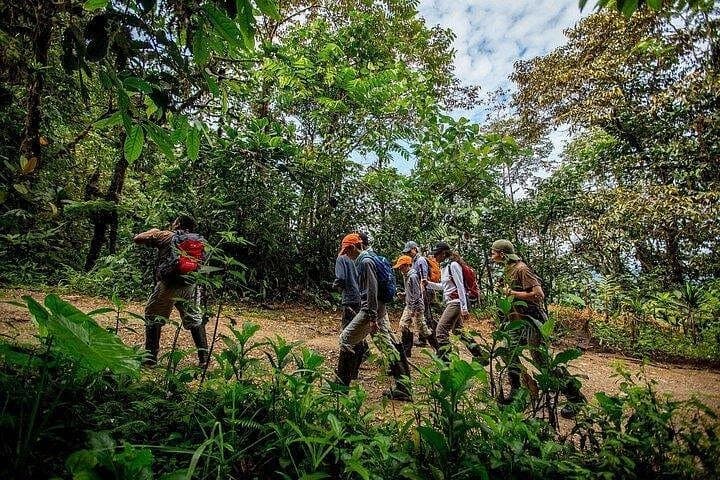
Expect a paced day: guided hummingbird viewing platforms, a short tarabita crossing into primary cloud forest, a 20–40 minute walk to Nambillo falls, time for lunch in town, and a butterfly garden or orchidarium visit. Terrain is wet, rocky, and often rooty; sightlines vary from open ridges to dense understory. Photography opportunities are excellent—bring a lens that reaches small, fast birds.
Practical guidance: wear waterproof layers and grippy shoes, carry insect repellent and a refillable water bottle, and plan for about 10 hours including transport from Quito. Morning light is best for bird activity; afternoon can bring showers. Respect quiet viewing areas, follow your guide’s lead, and leave no trace so the cloud forest keeps calling future visitors.
easy.
10 hours.
Suitable for most fitness levels; participants should be comfortable walking 1–3 miles on uneven, sometimes muddy trails.
Roundtrip transport takes about 2–2.5 hours total depending on traffic; expect an early morning pickup from Quito for a roughly 10‑hour excursion.
The tarabita is a short cable gondola-style crossing; guides offer orientation and alternatives if the tarabita is unsuitable—communicate concerns at booking.
Lunch is not included; the itinerary allows time in Mindo town where small cafes and local restaurants serve typical Ecuadorian fare.
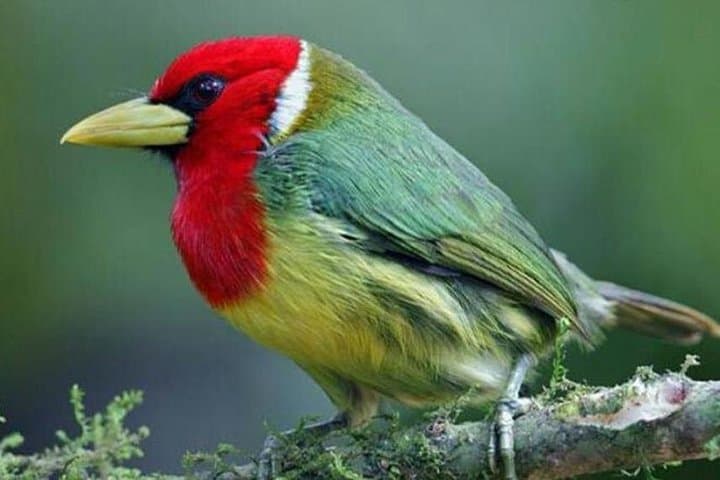
You’ll likely see multiple hummingbird species, tanagers, toucans, and a variety of butterflies; sightings depend on season, time of day, and quiet observation.
Mindo gained international attention in 1997 when BirdLife International identified it as an Important Bird Area; conservation and eco‑tourism have shaped the local economy since.
Stick to trails and follow guide instructions—support local guide services and small businesses, which helps fund habitat protection and sustainable tourism.
Perfect Destiny operates guided outdoor trips and adventures with an emphasis on safety, stewardship, and memorable experiences.
A morning departure from Quito eases down the western slopes and the air changes—cooler, damp, threaded with birdcalls. On this full‑day excursion to Mindo you cross from high Andean scrub into the lower cloud forest, where mist drapes the canopy and a small tarabita (cable gondola) drops you into dense, epiphyte‑draped trees. Hummingbirds hover like quick punctuation; the river below dares you toward the Nambillo waterfall.
A morning departure from Quito eases down the western slopes and the air changes—cooler, damp, threaded with birdcalls. On this full‑day excursion to Mindo you cross from high Andean scrub into the lower cloud forest, where mist drapes the canopy and a small tarabita (cable gondola) drops you into dense, epiphyte‑draped trees. Hummingbirds hover like quick punctuation; the river below dares you toward the Nambillo waterfall.
Mindo became a focal point for birdwatching in 1997 when BirdLife International recognized its importance; the valley’s geology—eroded volcanic slopes and deep ravines—creates microclimates that support extraordinary biodiversity. Culturally the town mixes campesino traditions with eco‑tourism: local guides, butterfly farms, and a modest orchidarium reflect livelihoods tied to forest health.
Expect a paced day: guided hummingbird viewing platforms, a short tarabita crossing into primary cloud forest, a 20–40 minute walk to Nambillo falls, time for lunch in town, and a butterfly garden or orchidarium visit. Terrain is wet, rocky, and often rooty; sightlines vary from open ridges to dense understory. Photography opportunities are excellent—bring a lens that reaches small, fast birds.
Practical guidance: wear waterproof layers and grippy shoes, carry insect repellent and a refillable water bottle, and plan for about 10 hours including transport from Quito. Morning light is best for bird activity; afternoon can bring showers. Respect quiet viewing areas, follow your guide’s lead, and leave no trace so the cloud forest keeps calling future visitors.