THE ADVENTURE COLLECTIVE® · Independent discovery and booking for outdoor travel

From Athens to the sky‑set pinnacles of Meteora, this full‑day tour pairs cliff‑top monasteries and hidden hermit caves with seaside brunch and sunset dinner stops. Expect historic frescoes, steep steps, and authentic taverna meals on a long but rewarding day.
From Athens to the sky‑set pinnacles of Meteora, this full‑day tour pairs cliff‑top monasteries and hidden hermit caves with seaside brunch and sunset dinner stops. Expect historic frescoes, steep steps, and authentic taverna meals on a long but rewarding day.
You wake before dawn in Athens, settle into an air‑conditioned coach and watch olive groves and limestone ridgelines slide past as the city loosens its grip. By midmorning the sea reappears at Kamena Vourla — gulls wheel, salt air tugs at your sleeve — then the road rises toward the colossal sandstone pillars of Meteora, where monasteries cling like ideas to the sky.
Verified experiences and guided adventures in the surrounding area.
Operated by Visit Meteora · Kalambaka, Thessaly
You wake before dawn in Athens, settle into an air‑conditioned coach and watch olive groves and limestone ridgelines slide past as the city loosens its grip. By midmorning the sea reappears at Kamena Vourla — gulls wheel, salt air tugs at your sleeve — then the road rises toward the colossal sandstone pillars of Meteora, where monasteries cling like ideas to the sky.
Meteora’s rock towers formed from riverine sediments and millennia of erosion; monks started occupying these inaccessible pinnacles between the 11th and 14th centuries, carving cells and frescoed chapels into the stone. Local villages such as Kastraki and Kalambaka grew in the shadows of these cliffs, supplying goods and keeping traditions alive. The hermit caves of Badovas recall a quieter ascetic life, while the monasteries themselves preserve Byzantine iconography and a strict dress code rooted in centuries of orthodoxy.
Expect steep stone steps, short bridges and panoramic viewpoints — some monasteries require climbing roughly 100–150 steps to reach upper courtyards. Audio guides and an English tour leader fill in architectural and religious detail; meals at a Kastraki taverna and seaside stops in Kamena Vourla make this a full‑day cultural circuit rather than a rushed photo stop.
Practical guide: bring modest cover-ups for monastery entry, comfortable walking shoes, a refillable water bottle and layered clothing for windy hilltops. Carry small cash for €5 entry fees and plan for a long day — the bus returns late. Time your visit for shoulder seasons to avoid high summer heat and crowds.
moderate.
14 hours.
Suitable for travelers in average fitness who can climb flights of stairs and walk short uneven trails.
The tour is approximately 14 hours long (departing around 08:00 and returning near 22:30), including three meal stops and guided visits at multiple monasteries.
No, monastery entrance fees (around €5 each) are paid on site in cash; the tour may visit up to three interiors depending on schedule.
Some monasteries require climbing 100–150 stone steps; Agios Stephanos has easier access via a small bridge, but overall the tour involves steps and uneven surfaces and may be challenging for those with mobility issues.
The tour includes a traditional lunch option with vegetarian choices (if booked with the Day Trip + Lunch rate), plus seaside brunch and dinner stops where you can order from menus or pre‑select via the onboard app.
Meteora’s monasteries were established between the 11th and 16th centuries when monks sought isolation atop sandstone pillars; they became key centers of Orthodox spirituality and manuscript preservation.
Meteora is a UNESCO World Heritage Site—stick to marked paths, avoid touching frescoes, and support local businesses to ensure tourism benefits the community and conserves fragile sites.
Visit Meteora operates guided outdoor trips and adventures with an emphasis on safety, stewardship, and memorable experiences.


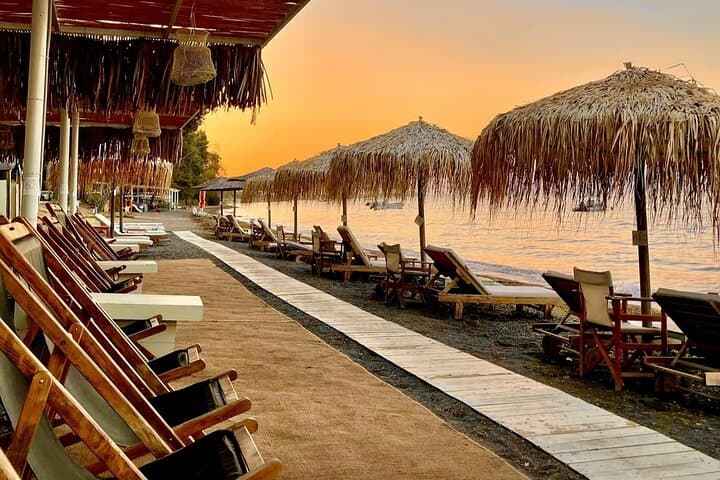

You wake before dawn in Athens, settle into an air‑conditioned coach and watch olive groves and limestone ridgelines slide past as the city loosens its grip. By midmorning the sea reappears at Kamena Vourla — gulls wheel, salt air tugs at your sleeve — then the road rises toward the colossal sandstone pillars of Meteora, where monasteries cling like ideas to the sky.
You wake before dawn in Athens, settle into an air‑conditioned coach and watch olive groves and limestone ridgelines slide past as the city loosens its grip. By midmorning the sea reappears at Kamena Vourla — gulls wheel, salt air tugs at your sleeve — then the road rises toward the colossal sandstone pillars of Meteora, where monasteries cling like ideas to the sky.
Meteora’s rock towers formed from riverine sediments and millennia of erosion; monks started occupying these inaccessible pinnacles between the 11th and 14th centuries, carving cells and frescoed chapels into the stone. Local villages such as Kastraki and Kalambaka grew in the shadows of these cliffs, supplying goods and keeping traditions alive. The hermit caves of Badovas recall a quieter ascetic life, while the monasteries themselves preserve Byzantine iconography and a strict dress code rooted in centuries of orthodoxy.
Expect steep stone steps, short bridges and panoramic viewpoints — some monasteries require climbing roughly 100–150 steps to reach upper courtyards. Audio guides and an English tour leader fill in architectural and religious detail; meals at a Kastraki taverna and seaside stops in Kamena Vourla make this a full‑day cultural circuit rather than a rushed photo stop.
Practical guide: bring modest cover-ups for monastery entry, comfortable walking shoes, a refillable water bottle and layered clothing for windy hilltops. Carry small cash for €5 entry fees and plan for a long day — the bus returns late. Time your visit for shoulder seasons to avoid high summer heat and crowds.