THE ADVENTURE COLLECTIVE® · Independent discovery and booking for outdoor travel

Fly from Cairo for a focused day in Luxor that hits Karnak, Luxor Temple, the Valley of the Kings and Hatshepsut’s funerary temple. This private, guided itinerary maximizes time on the ground and delivers the highlights with door-to-door transfers.
Fly from Cairo for a focused day in Luxor that hits Karnak, Luxor Temple, the Valley of the Kings and Hatshepsut’s funerary temple. This private, guided itinerary maximizes time on the ground and delivers the highlights with door-to-door transfers.
Before sunrise you leave Cairo’s sleeping sprawl and climb into a short domestic flight that drops you into the brittle light of Upper Egypt. Stepping out at Luxor, the Nile seems to breathe under the morning heat; columns and stone keep watch like patient giants. The day unfolds as a sprint through Thebes—the ancient capital where power, art and ritual were carved in stone.
Verified experiences and guided adventures in the surrounding area.
Operated by Special trips · Luxor, Luxor Governorate
Before sunrise you leave Cairo’s sleeping sprawl and climb into a short domestic flight that drops you into the brittle light of Upper Egypt. Stepping out at Luxor, the Nile seems to breathe under the morning heat; columns and stone keep watch like patient giants. The day unfolds as a sprint through Thebes—the ancient capital where power, art and ritual were carved in stone.
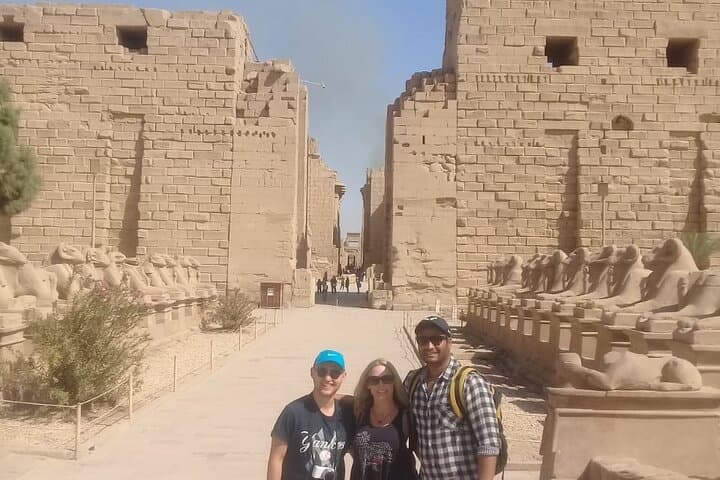
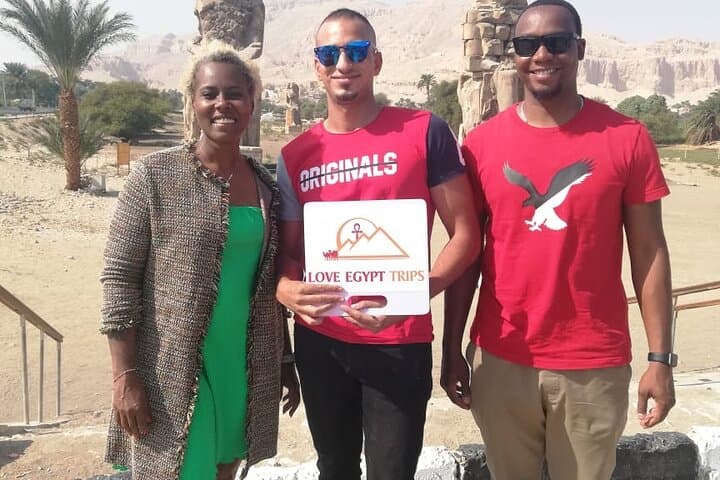
Begin at Karnak, where avenues of ram-headed sphinxes and towering hypostyle halls map the ambitions of New Kingdom pharaohs. Walk the axis that once linked Karnak to Luxor Temple, then cross the river to the west bank where tombs are hewn into limestone cliffs. In the Valley of the Kings, narrow corridors and painted burial chambers tell technical and religious stories about death and afterlife; nearby, Queen Hatshepsut’s terrace temple rises like a geometric stage against a pale escarpment. Colossi of Memnon loom as weathered witnesses to millennia.
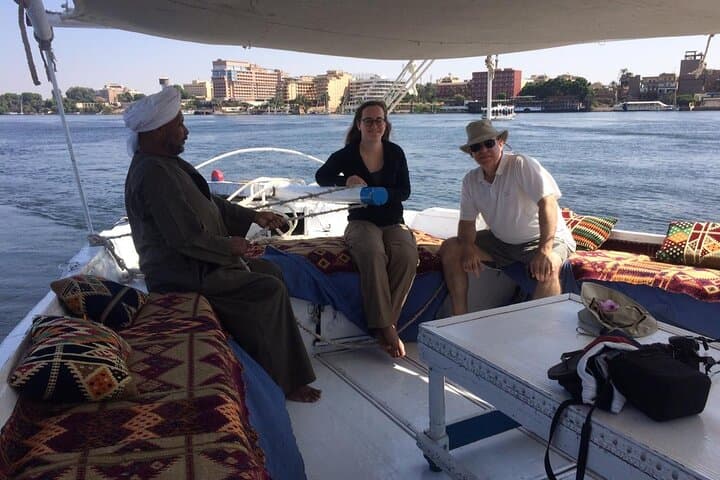
Geology here is simple and stark—Nile mud, alluvial plains, and limestone cliffs that made underground tombs practical. Culturally, you’re in a living place: boatmen, guides, and local vendors sustain an economy that pulses around ancient stones.
Practical edge: this is a long, full day—expect 11–15 hours including flights and transfers. Carry your passport (domestic flight required), comfortable closed-toe walking shoes for uneven tomb floors, sun protection and small local cash for extras. Photography rules and tomb entry limits change frequently—follow your Egyptologist guide, move at a steady pace, and hydrate often to make the most of a concentrated introduction to Luxor’s archaeology.
easy.
11–15 hours.
Suitable for most fitness levels; expect several hours on your feet, short climbs and uneven surfaces
This tour’s inclusions list transfers, domestic flights, guide and lunch; standard practice is that archaeological site entrance fees are paid separately unless specified—confirm with the operator before travel.
Flight time is about 1 hour to 1 hour 15 minutes each way; add airport processing and transfer time to the total day length.
Yes—this is labeled suitable for all fitness levels, but the day is long and involves walking and some steps; plan rest and consider mobility limits.
Photography rules vary by tomb and can change; some tombs prohibit photography or charge a separate permit—follow the guide’s instructions on site.
Luxor occupies the site of ancient Thebes, a New Kingdom capital where pharaohs built monumental funerary complexes and updated religious architecture for centuries.
Many sites are sensitive to humidity, foot traffic and photography; follow path restrictions and avoid touching painted surfaces to protect fragile wall art.
Special trips operates guided outdoor trips and adventures with an emphasis on safety, stewardship, and memorable experiences.
Before sunrise you leave Cairo’s sleeping sprawl and climb into a short domestic flight that drops you into the brittle light of Upper Egypt. Stepping out at Luxor, the Nile seems to breathe under the morning heat; columns and stone keep watch like patient giants. The day unfolds as a sprint through Thebes—the ancient capital where power, art and ritual were carved in stone.
Before sunrise you leave Cairo’s sleeping sprawl and climb into a short domestic flight that drops you into the brittle light of Upper Egypt. Stepping out at Luxor, the Nile seems to breathe under the morning heat; columns and stone keep watch like patient giants. The day unfolds as a sprint through Thebes—the ancient capital where power, art and ritual were carved in stone.
Begin at Karnak, where avenues of ram-headed sphinxes and towering hypostyle halls map the ambitions of New Kingdom pharaohs. Walk the axis that once linked Karnak to Luxor Temple, then cross the river to the west bank where tombs are hewn into limestone cliffs. In the Valley of the Kings, narrow corridors and painted burial chambers tell technical and religious stories about death and afterlife; nearby, Queen Hatshepsut’s terrace temple rises like a geometric stage against a pale escarpment. Colossi of Memnon loom as weathered witnesses to millennia.
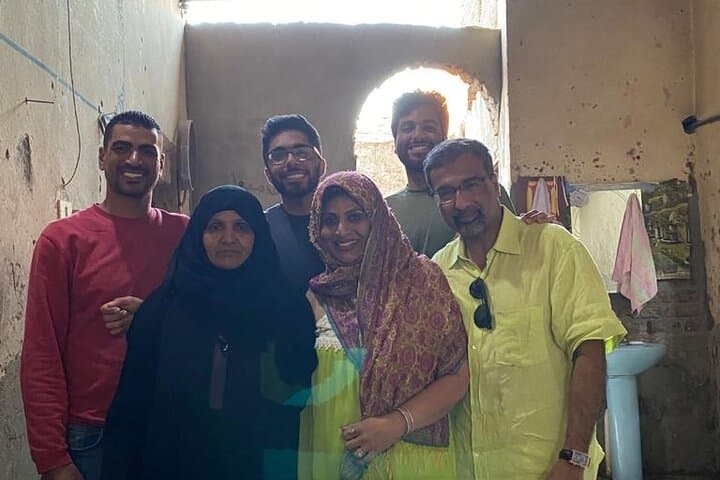
Geology here is simple and stark—Nile mud, alluvial plains, and limestone cliffs that made underground tombs practical. Culturally, you’re in a living place: boatmen, guides, and local vendors sustain an economy that pulses around ancient stones.
Practical edge: this is a long, full day—expect 11–15 hours including flights and transfers. Carry your passport (domestic flight required), comfortable closed-toe walking shoes for uneven tomb floors, sun protection and small local cash for extras. Photography rules and tomb entry limits change frequently—follow your Egyptologist guide, move at a steady pace, and hydrate often to make the most of a concentrated introduction to Luxor’s archaeology.