THE ADVENTURE COLLECTIVE® · Independent discovery and booking for outdoor travel

Spend a full day exploring Lake Atitlán’s Tzutujil villages from Antigua—textile cooperatives, artisanal chocolate and short boat rides between lakeside towns. This seven-hour tour delivers volcanic scenery, cultural encounters and practical insights into community crafts.
Spend a full day exploring Lake Atitlán’s Tzutujil villages from Antigua—textile cooperatives, artisanal chocolate and short boat rides between lakeside towns. This seven-hour tour delivers volcanic scenery, cultural encounters and practical insights into community crafts.
You leave Antigua before dawn as the highlands are still cool and the road spills down through volcanic foothills. After roughly three hours of changing light and coffee stops you arrive at Panajachel; the lake greets you not as a postcard but as a living place—glassy stretches interrupted by fishermen and wooden boats that cut the surface like pens writing local stories.
Verified experiences and guided adventures in the surrounding area.
Operated by Jade Tours · Panajachel, Sololá
You leave Antigua before dawn as the highlands are still cool and the road spills down through volcanic foothills. After roughly three hours of changing light and coffee stops you arrive at Panajachel; the lake greets you not as a postcard but as a living place—glassy stretches interrupted by fishermen and wooden boats that cut the surface like pens writing local stories.
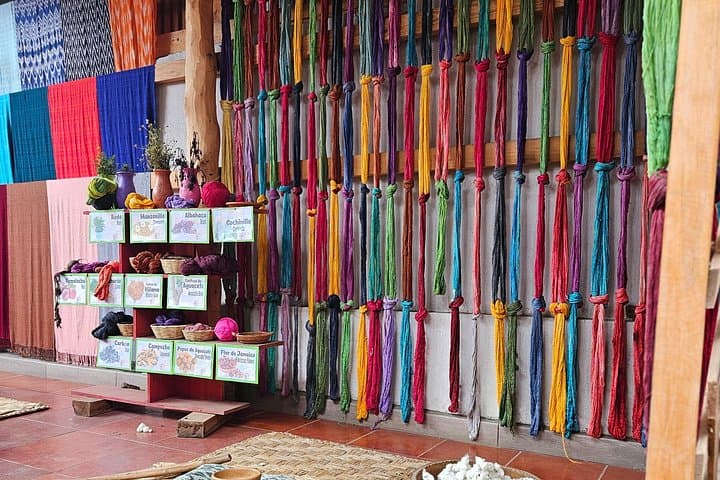
Lake Atitlán sits in a volcanic caldera framed by the volcanoes Atitlán, Tolimán and San Pedro, formed by a calamitous eruption in the Holocene that shaped the steep shores and fertile terraces. The Tzutujil Maya who live on the lake’s shores maintain textile cooperatives, traditional dyeing and small-scale agriculture; their weaving patterns and community-run chocolate and bee-keeping projects reflect a continuity of craft and adaptive economy.
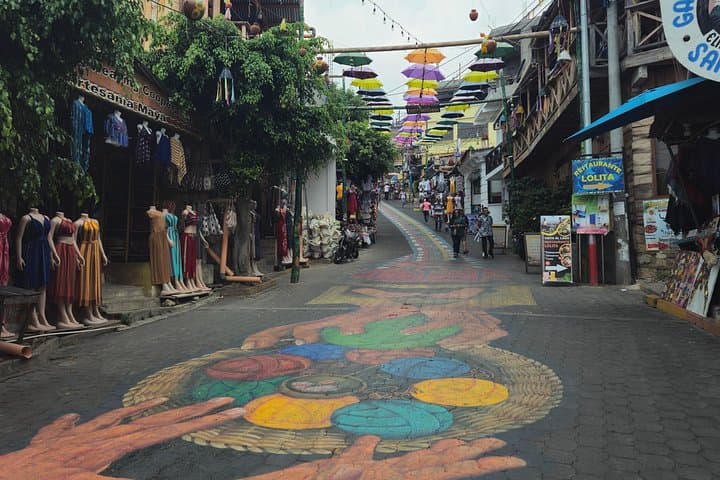
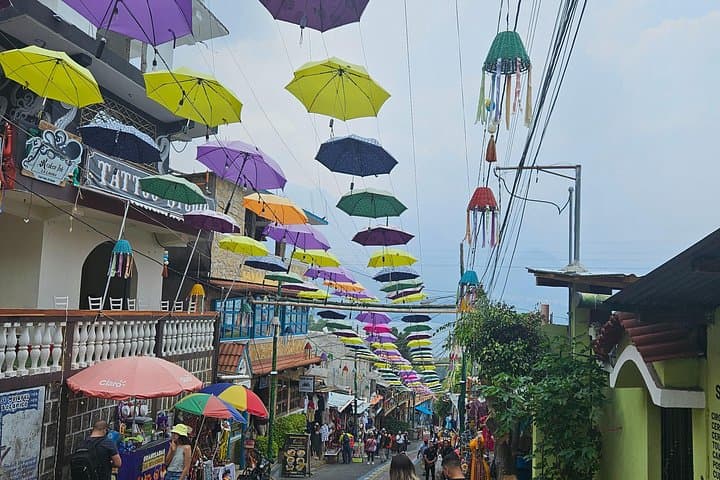
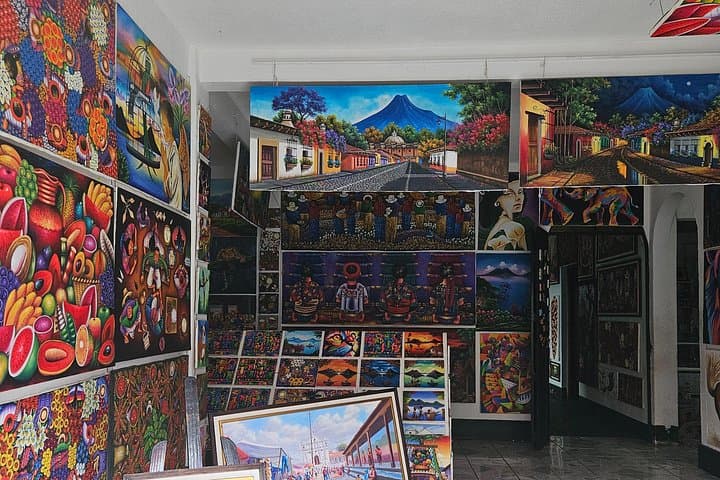
A typical day tour moves through three villages: San Juan la Laguna for textiles and art co-ops, San Pedro Atitlán for market life and lakeside cafés, and Santiago Atitlán for its church plaza and the venerated Maximon shrine. Short boat hops between towns (10–30 minutes) cut travel time and give repeated views of the volcanoes.
Practical notes: expect seven hours total, dress in layers for sun and wind, carry local currency for small purchases, and plan for uneven cobblestones and short steep stretches. Bring a camera but ask before photographing people—many cooperatives welcome respectful visitors and purchases directly support local economies. The tour is compact, culturally rich and best for travelers wanting a concentrated introduction to the lake’s geology and living Mayan culture.
moderate.
7 hours.
Moderate fitness for short walks, stairs and cobbled streets; can be done by active travelers and older children.
The full experience runs about seven hours, with roughly three hours driving from Antigua to Panajachel, boat hops and village visits, returning to Antigua in the evening.
Transport and a certified guide are included; short boat transfers and entry to standard cooperative demonstrations are typically covered—confirm any special workshops ahead of time.
Yes if they have moderate mobility; there are short walks, stairs and cobblestone streets—infants must sit on laps per policy and the tour is stroller accessible in limited areas.
Yes—many cooperatives sell handwoven textiles and artisanal products; paying in cash supports local groups and avoids card fees.
Lake Atitlán occupies a collapsed volcanic caldera and has been inhabited by Tzutujil and Kaqchikel Maya communities for centuries; many villages maintain pre‑Hispanic weaving and ritual traditions.
Tourism supports community cooperatives but increases pressure on waste and water systems—bring reusable water bottles, avoid single‑use plastics and buy locally made goods to support sustainable income.
Jade Tours operates guided outdoor trips and adventures with an emphasis on safety, stewardship, and memorable experiences.
You leave Antigua before dawn as the highlands are still cool and the road spills down through volcanic foothills. After roughly three hours of changing light and coffee stops you arrive at Panajachel; the lake greets you not as a postcard but as a living place—glassy stretches interrupted by fishermen and wooden boats that cut the surface like pens writing local stories.
You leave Antigua before dawn as the highlands are still cool and the road spills down through volcanic foothills. After roughly three hours of changing light and coffee stops you arrive at Panajachel; the lake greets you not as a postcard but as a living place—glassy stretches interrupted by fishermen and wooden boats that cut the surface like pens writing local stories.
Lake Atitlán sits in a volcanic caldera framed by the volcanoes Atitlán, Tolimán and San Pedro, formed by a calamitous eruption in the Holocene that shaped the steep shores and fertile terraces. The Tzutujil Maya who live on the lake’s shores maintain textile cooperatives, traditional dyeing and small-scale agriculture; their weaving patterns and community-run chocolate and bee-keeping projects reflect a continuity of craft and adaptive economy.
A typical day tour moves through three villages: San Juan la Laguna for textiles and art co-ops, San Pedro Atitlán for market life and lakeside cafés, and Santiago Atitlán for its church plaza and the venerated Maximon shrine. Short boat hops between towns (10–30 minutes) cut travel time and give repeated views of the volcanoes.
Practical notes: expect seven hours total, dress in layers for sun and wind, carry local currency for small purchases, and plan for uneven cobblestones and short steep stretches. Bring a camera but ask before photographing people—many cooperatives welcome respectful visitors and purchases directly support local economies. The tour is compact, culturally rich and best for travelers wanting a concentrated introduction to the lake’s geology and living Mayan culture.