THE ADVENTURE COLLECTIVE® · Independent discovery and booking for outdoor travel

Swap Kyoto’s bustle for cedar avenues and centuries-old temples on a full-day tour to Koyasan. Expect guided visits to Okunoin, Kongobuji, and other sacred sites, practical travel logistics, and clear tips to prepare for mountain weather and cultural etiquette.
Swap Kyoto’s bustle for cedar avenues and centuries-old temples on a full-day tour to Koyasan. Expect guided visits to Okunoin, Kongobuji, and other sacred sites, practical travel logistics, and clear tips to prepare for mountain weather and cultural etiquette.
A low mountain mist parts as an express bus climbs toward Mount Koya, and the click of wooden geta echoes from distant temple eaves. On a day trip from Kyoto, visitors trade the city’s tiled roofs for cedar-shaded lanes, graves etched with centuries of soot and devotion, and a rhythm set by prayer bells and footsteps.
Verified experiences and guided adventures in the surrounding area.
Operated by MY Travel Consulting · Koyasan, Wakayama Prefecture
A low mountain mist parts as an express bus climbs toward Mount Koya, and the click of wooden geta echoes from distant temple eaves. On a day trip from Kyoto, visitors trade the city’s tiled roofs for cedar-shaded lanes, graves etched with centuries of soot and devotion, and a rhythm set by prayer bells and footsteps.
Koyasan (Koyasan) was established by Kobo Daishi (Kukai) in the early 9th century and developed as the center of Shingon Buddhism. The plateau’s igneous bedrock and deep volcanic soils support old-growth cedar groves that frame Okunoin, one of Japan’s largest cemeteries. Kongobuji, the head temple, preserves painted sliding screens and rock gardens shaped during peaceful Edo-era reforms.
Culturally, Koyasan is both pilgrimage destination and working monastic community; visitors encounter monks, overnight temple lodgings (shukubo), and rituals still performed daily. Respectful behavior—quiet voices, removed shoes where requested, and modest dress—keeps the place intact.
Practically, the tour uses the Nankai cable car and public buses; expect several kilometers of walking on packed earth and stone, some slopes and stair sections, and narrow temple approaches. Bring cash for small shrine offerings and temple meals, and plan for variable weather—mountain temperatures can be noticeably cooler than Kyoto.
Timing a visit for mid-morning or late afternoon eases crowds at Okunoin. Photography is allowed in many outdoor areas but restricted inside some halls; follow posted signs and guide instructions. Hydrate, wear grippy shoes, and give yourself the time to move slowly—Koyasan is a place where the landscape pushes visitors toward quiet observation.
moderate.
11–13 hours.
Moderate fitness: you’ll be on your feet for multiple short walks across uneven ground and stairways; able to stand for guided explanations.
The tour uses an express bus from Kyoto Station, then the Nankai Koyasan cable car and local buses to reach the temple areas; the guide coordinates the connections.
Yes—many temple buildings require shoes to be removed before entering; wear socks without holes and be prepared to carry light items while removing footwear.
Children can join but the tour involves stairs and uneven ground; it’s not recommended for travelers with serious spinal or cardiovascular conditions and may challenge those with limited mobility.
This day tour includes temple visits and explanations; overnight temple lodging and participation in monastic meals or morning rituals are possible but require separate arrangements.
Founded by Kobo Daishi (Kukai) in the 9th century, Koyasan became the center of Shingon esoteric Buddhism and developed an extensive monastic complex and cemetery that attract pilgrims to this day.
The community manages foot traffic and site preservation through signposted routes and limited vehicle access; visitors should follow rules, avoid off-trail wandering, and use local services to support conservation efforts.
MY Travel Consulting operates guided outdoor trips and adventures with an emphasis on safety, stewardship, and memorable experiences.


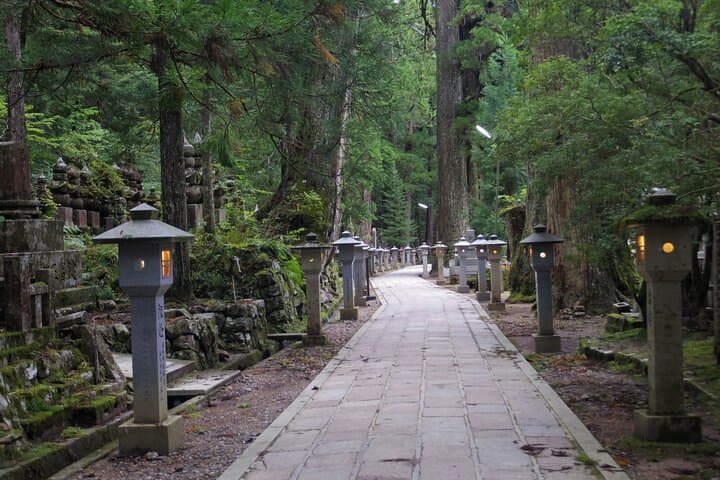

A low mountain mist parts as an express bus climbs toward Mount Koya, and the click of wooden geta echoes from distant temple eaves. On a day trip from Kyoto, visitors trade the city’s tiled roofs for cedar-shaded lanes, graves etched with centuries of soot and devotion, and a rhythm set by prayer bells and footsteps.
A low mountain mist parts as an express bus climbs toward Mount Koya, and the click of wooden geta echoes from distant temple eaves. On a day trip from Kyoto, visitors trade the city’s tiled roofs for cedar-shaded lanes, graves etched with centuries of soot and devotion, and a rhythm set by prayer bells and footsteps.
Koyasan (Koyasan) was established by Kobo Daishi (Kukai) in the early 9th century and developed as the center of Shingon Buddhism. The plateau’s igneous bedrock and deep volcanic soils support old-growth cedar groves that frame Okunoin, one of Japan’s largest cemeteries. Kongobuji, the head temple, preserves painted sliding screens and rock gardens shaped during peaceful Edo-era reforms.
Culturally, Koyasan is both pilgrimage destination and working monastic community; visitors encounter monks, overnight temple lodgings (shukubo), and rituals still performed daily. Respectful behavior—quiet voices, removed shoes where requested, and modest dress—keeps the place intact.
Practically, the tour uses the Nankai cable car and public buses; expect several kilometers of walking on packed earth and stone, some slopes and stair sections, and narrow temple approaches. Bring cash for small shrine offerings and temple meals, and plan for variable weather—mountain temperatures can be noticeably cooler than Kyoto.
Timing a visit for mid-morning or late afternoon eases crowds at Okunoin. Photography is allowed in many outdoor areas but restricted inside some halls; follow posted signs and guide instructions. Hydrate, wear grippy shoes, and give yourself the time to move slowly—Koyasan is a place where the landscape pushes visitors toward quiet observation.