THE ADVENTURE COLLECTIVE® · Independent discovery and booking for outdoor travel

Explore the Cap Bon peninsula in one day: Punic ruins at Kerkouane, the ramparts of Kélibia’s cliff-top fortress, and the caves and migratory spectacle at El Haouaria. This practical guide covers what to see, why it matters, and how to prepare.
Explore the Cap Bon peninsula in one day: Punic ruins at Kerkouane, the ramparts of Kélibia’s cliff-top fortress, and the caves and migratory spectacle at El Haouaria. This practical guide covers what to see, why it matters, and how to prepare.
You step off the coastal road and the Mediterranean draws a clean, briny line along the horizon—silver, restless, daring you to look farther. The Citadel of Kélibia sits above the town on a rocky spur, its ramparts catching wind and holding a view that, on a clear day, reaches toward Sicily. Further along the cape the ground drops into coves and carved caves where sea and stone argue quietly.
Verified experiences and guided adventures in the surrounding area.
Operated by Tunisia Guided Tours · Kelibia, Nabeul
You step off the coastal road and the Mediterranean draws a clean, briny line along the horizon—silver, restless, daring you to look farther. The Citadel of Kélibia sits above the town on a rocky spur, its ramparts catching wind and holding a view that, on a clear day, reaches toward Sicily. Further along the cape the ground drops into coves and carved caves where sea and stone argue quietly.
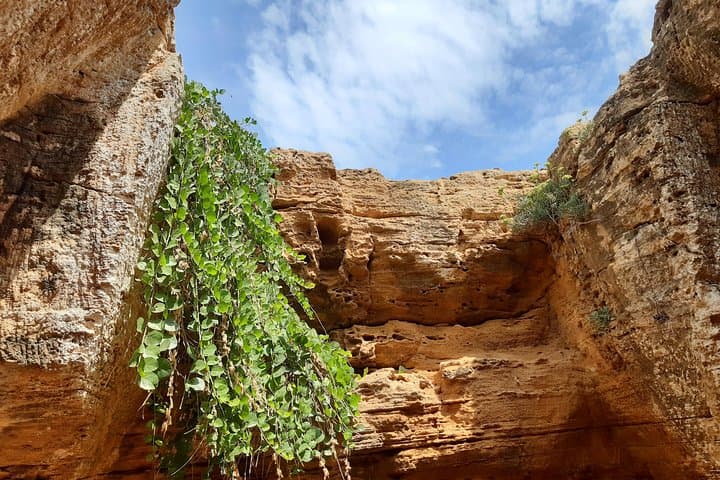
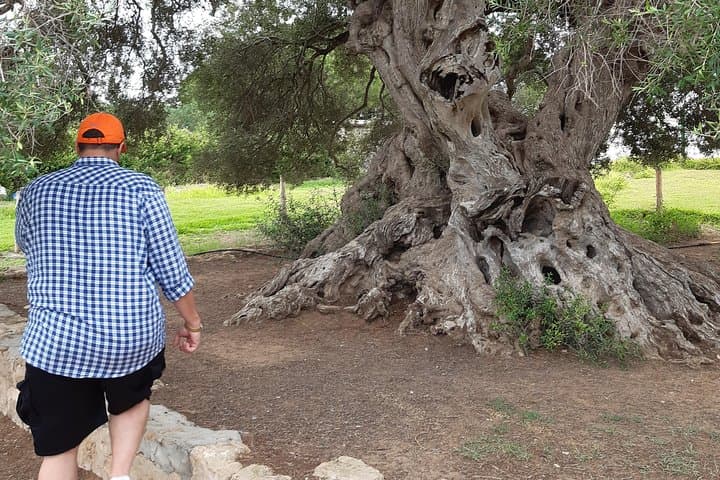
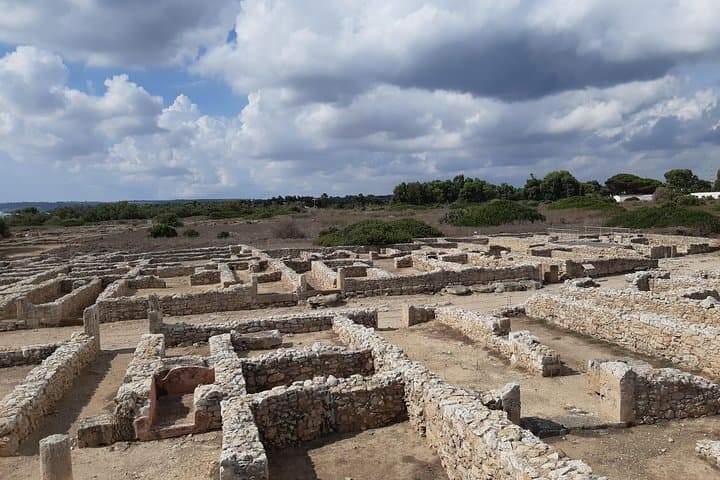
This daytrip threads together centuries: Kerkouane’s unmatched Punic urban plan, abandoned after Roman conquest and preserved in place; the Kélibia fortress with Roman and Byzantine layers rebuilt by Ottomans in the 16th century; and the ancient quarries and artificial caves of El Haouaria used to build Carthage. Geology here is limestone and coastal plateau—easy to read in the pale cliffs and scattered outcrops. Culture is agricultural and maritime: vineyards producing Muscat of Kélibia, small fishing harbors, and villages that still prize olive oil—one tree near Echraf is over 2,500 years old.
Practical plan: expect a 7–8 hour day that combines short walks, viewpoints, and museum stops. Wear sturdy walking shoes for uneven archaeological surfaces, bring 2–3 liters of water, sun protection and a light wind jacket for cliff-top gusts. Timing matters—start early in summer to avoid heat; spring and fall are best for raptor migration and quieter coves. Respect archaeological sites (no climbing on mosaics), pack out trash, and listen to your guide for local access rules. With clear planning this route delivers history, sea air and the sharp contrast of wild coastline against agricultural plains.
easy.
7–8 hours.
Light walking and short climbs; suitable for most fitness levels but requires mobility on uneven historic surfaces.
Typical duration is about 7–8 hours and includes the Kerkouane ruins, Kélibia fortress, the ancient Echraf olive tree area and El Haouaria caves and coves.
The tour is generally suitable for all ages but archaeological sites have uneven ground and steps; inquire about accessible options when booking and request wheelchair-accessible transport if needed.
Admission to some sites is often included on packaged tours, but confirm with your operator and carry local currency for any optional museum purchases.
Spring (March–May) and autumn (September–October) host the largest raptor movements as birds funnel across the cape during migration.
Kerkouane preserves a rare Punic urban plan untouched by Roman rebuilding; Kélibia fortress overlays Byzantine and Ottoman phases with visible Roman components.
Seasonal bird migrations strain coastal habitats—avoid disturbing roosts and pack out waste. Summer crowding threatens fragile coves, so use marked access points and local guidelines.
Tunisia Guided Tours operates guided outdoor trips and adventures with an emphasis on safety, stewardship, and memorable experiences.
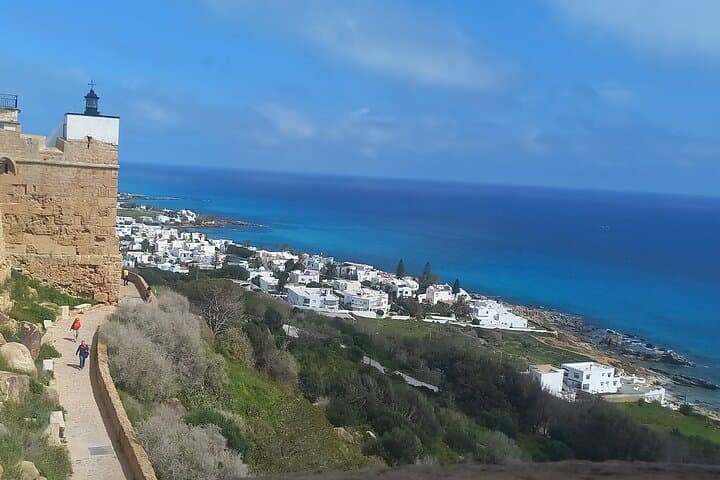
You step off the coastal road and the Mediterranean draws a clean, briny line along the horizon—silver, restless, daring you to look farther. The Citadel of Kélibia sits above the town on a rocky spur, its ramparts catching wind and holding a view that, on a clear day, reaches toward Sicily. Further along the cape the ground drops into coves and carved caves where sea and stone argue quietly.
You step off the coastal road and the Mediterranean draws a clean, briny line along the horizon—silver, restless, daring you to look farther. The Citadel of Kélibia sits above the town on a rocky spur, its ramparts catching wind and holding a view that, on a clear day, reaches toward Sicily. Further along the cape the ground drops into coves and carved caves where sea and stone argue quietly.
This daytrip threads together centuries: Kerkouane’s unmatched Punic urban plan, abandoned after Roman conquest and preserved in place; the Kélibia fortress with Roman and Byzantine layers rebuilt by Ottomans in the 16th century; and the ancient quarries and artificial caves of El Haouaria used to build Carthage. Geology here is limestone and coastal plateau—easy to read in the pale cliffs and scattered outcrops. Culture is agricultural and maritime: vineyards producing Muscat of Kélibia, small fishing harbors, and villages that still prize olive oil—one tree near Echraf is over 2,500 years old.
Practical plan: expect a 7–8 hour day that combines short walks, viewpoints, and museum stops. Wear sturdy walking shoes for uneven archaeological surfaces, bring 2–3 liters of water, sun protection and a light wind jacket for cliff-top gusts. Timing matters—start early in summer to avoid heat; spring and fall are best for raptor migration and quieter coves. Respect archaeological sites (no climbing on mosaics), pack out trash, and listen to your guide for local access rules. With clear planning this route delivers history, sea air and the sharp contrast of wild coastline against agricultural plains.