THE ADVENTURE COLLECTIVE® · Independent discovery and booking for outdoor travel

Leave Marrakech for a 7–8 hour circuit over the High Atlas to the UNESCO‑listed Aït‑Benhaddou. This day trip combines dramatic mountain passes, earthen kasbahs, short walks through a living ksar and cultural encounters without overnighting in the desert.
Leave Marrakech for a 7–8 hour circuit over the High Atlas to the UNESCO‑listed Aït‑Benhaddou. This day trip combines dramatic mountain passes, earthen kasbahs, short walks through a living ksar and cultural encounters without overnighting in the desert.
By first light the road out of Marrakech leans into the High Atlas, each hairpin on Tizi n'Tichka opening a new distance. Long low ridgelines stain the horizon and the air smells of dust and mint tea. The drive toward Aït‑Benhaddou takes you over the 2,260 m pass and through Berber villages, with stretches of red ochre geology that give way to the earthen citadel perched above the valley.
Verified experiences and guided adventures in the surrounding area.
Operated by Marrakech unique activities · Ouarzazate, Ouarzazate Province
By first light the road out of Marrakech leans into the High Atlas, each hairpin on Tizi n'Tichka opening a new distance. Long low ridgelines stain the horizon and the air smells of dust and mint tea. The drive toward Aït‑Benhaddou takes you over the 2,260 m pass and through Berber villages, with stretches of red ochre geology that give way to the earthen citadel perched above the valley.
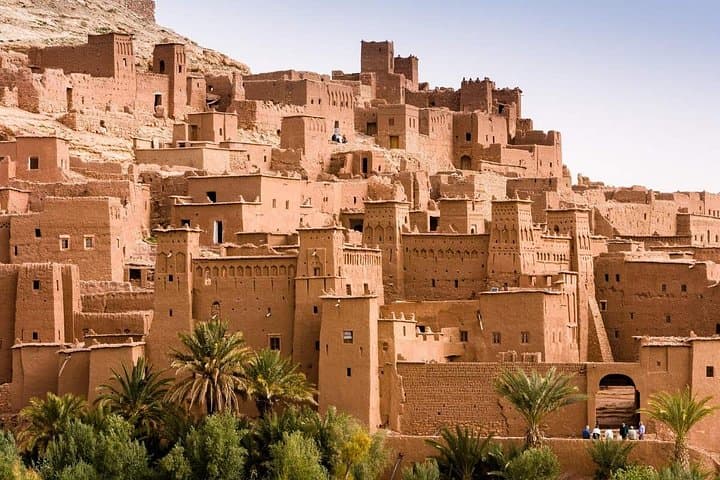
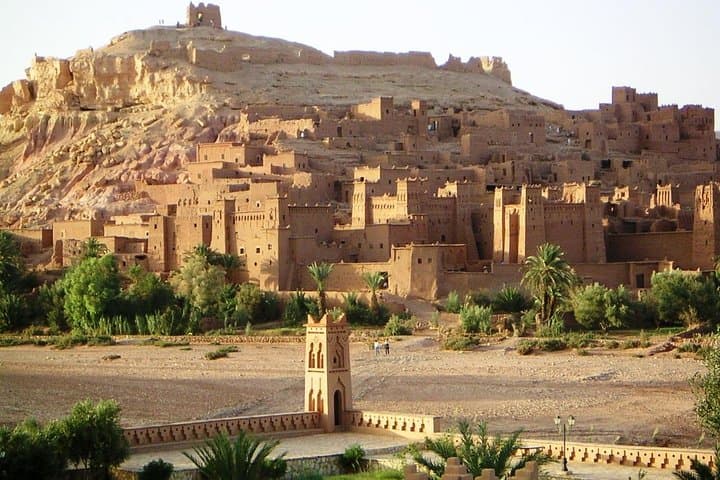
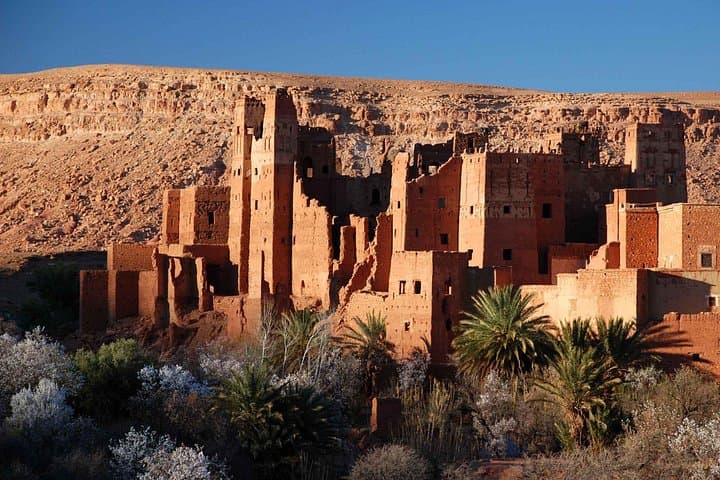
Aït‑Benhaddou is a classic ksar — clustered mud‑brick houses and defensive towers — listed as a UNESCO World Heritage site for its intact example of southern Moroccan architecture and its role on old caravan routes. The surrounding High Atlas is a folded sedimentary range whose erosion sculpts the ochre slopes and shelves you’ll pass. Nearby Telouet Kasbah (Glaoui Palace) adds a layer of 19th‑century social history and a glimpse of the region’s shifting power.
On the ground expect a guided walking tour on packed‑earth lanes, short uphill scrambles to viewpoints, and opportunities for photography and a short camel ride near the approach. Local markers of daily life — tea ceremonies, livestock, and tile‑roofed homes — frame the visit.
Practical guidance: start early to avoid midday heat and mountain winds; carry 1.5–2 L of water, wear sturdy closed‑toe shoes with grip, and bring a warm layer for the pass. Allocate 7–8 hours door‑to‑door, keep cash for small purchases, and respect private property inside the ksar; stick to marked paths and follow your guide.
easy.
7–8 hours.
Suitable for most fitness levels; requires standing and short uphill walks on uneven surfaces
Expect about 7–8 hours total, including 3–4 hours each way driving and time for guided visits and lunch.
Many organized day trips include entrance; check your booking. Independent visitors pay a modest admission on arrival.
Yes — the route is suitable for a wide range of ages though the drive is long; walking in the ksar involves uneven ground and short inclines.
Most itineraries include a short camel ride near the approach and a set lunch with views; confirm specifics with the operator when booking.
Aït‑Benhaddou rose as a fortified caravan stop on trans‑Saharan and regional trade routes; its earthen architecture reflects centuries of communal storage and defense.
Mud‑brick buildings require regular maintenance; visitors help by staying on paths, avoiding climbing fragile walls and choosing operators that support local conservation efforts.
Marrakech unique activities operates guided outdoor trips and adventures with an emphasis on safety, stewardship, and memorable experiences.
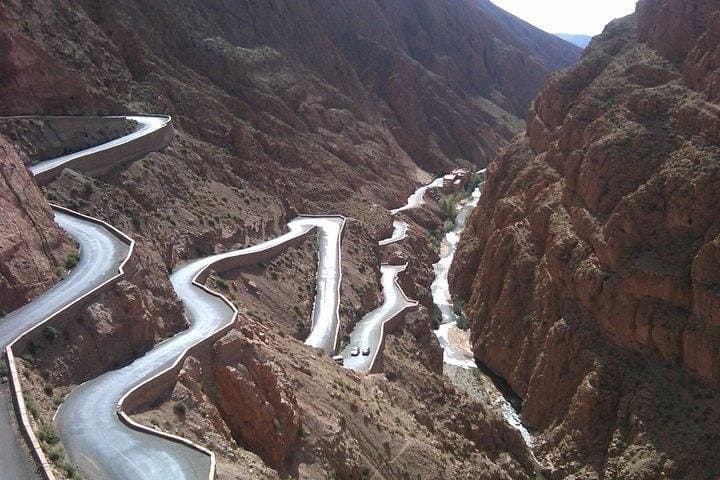
By first light the road out of Marrakech leans into the High Atlas, each hairpin on Tizi n'Tichka opening a new distance. Long low ridgelines stain the horizon and the air smells of dust and mint tea. The drive toward Aït‑Benhaddou takes you over the 2,260 m pass and through Berber villages, with stretches of red ochre geology that give way to the earthen citadel perched above the valley.
By first light the road out of Marrakech leans into the High Atlas, each hairpin on Tizi n'Tichka opening a new distance. Long low ridgelines stain the horizon and the air smells of dust and mint tea. The drive toward Aït‑Benhaddou takes you over the 2,260 m pass and through Berber villages, with stretches of red ochre geology that give way to the earthen citadel perched above the valley.
Aït‑Benhaddou is a classic ksar — clustered mud‑brick houses and defensive towers — listed as a UNESCO World Heritage site for its intact example of southern Moroccan architecture and its role on old caravan routes. The surrounding High Atlas is a folded sedimentary range whose erosion sculpts the ochre slopes and shelves you’ll pass. Nearby Telouet Kasbah (Glaoui Palace) adds a layer of 19th‑century social history and a glimpse of the region’s shifting power.
On the ground expect a guided walking tour on packed‑earth lanes, short uphill scrambles to viewpoints, and opportunities for photography and a short camel ride near the approach. Local markers of daily life — tea ceremonies, livestock, and tile‑roofed homes — frame the visit.
Practical guidance: start early to avoid midday heat and mountain winds; carry 1.5–2 L of water, wear sturdy closed‑toe shoes with grip, and bring a warm layer for the pass. Allocate 7–8 hours door‑to‑door, keep cash for small purchases, and respect private property inside the ksar; stick to marked paths and follow your guide.