THE ADVENTURE COLLECTIVE® · Independent discovery and booking for outdoor travel

Leave Marrakech for a seven-hour journey into the High Atlas to hike valley trails, swim at mountain waterfalls, visit an argan cooperative, and share a homemade tajine in an Imlil home. This day trip mixes accessible trails with authentic Berber hospitality and dramatic mountain scenery.
Leave Marrakech for a seven-hour journey into the High Atlas to hike valley trails, swim at mountain waterfalls, visit an argan cooperative, and share a homemade tajine in an Imlil home. This day trip mixes accessible trails with authentic Berber hospitality and dramatic mountain scenery.
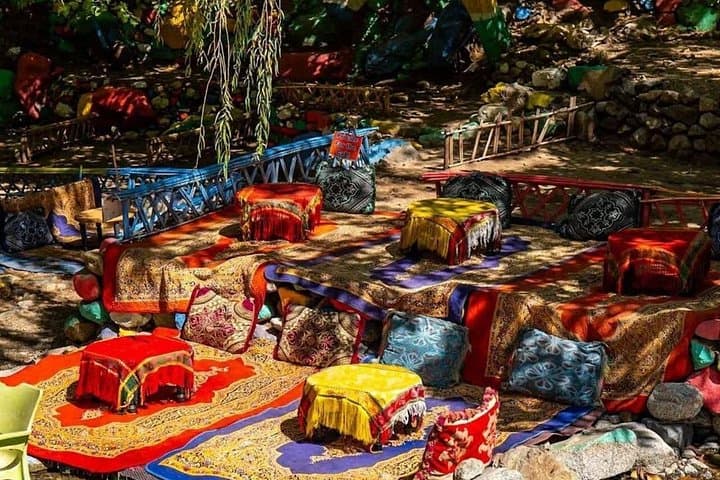
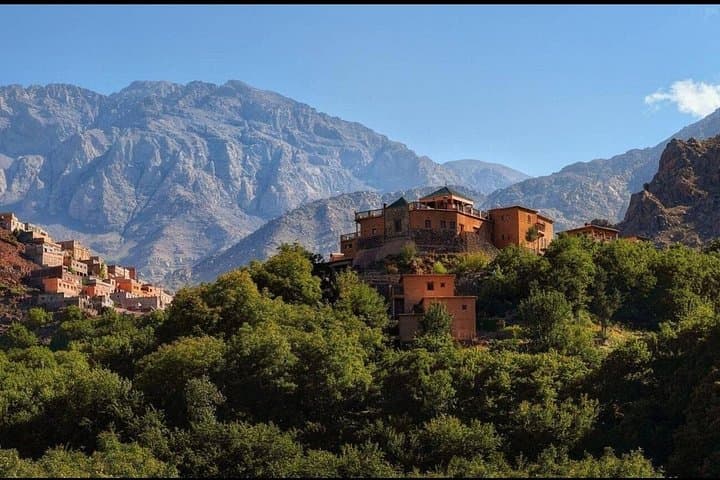
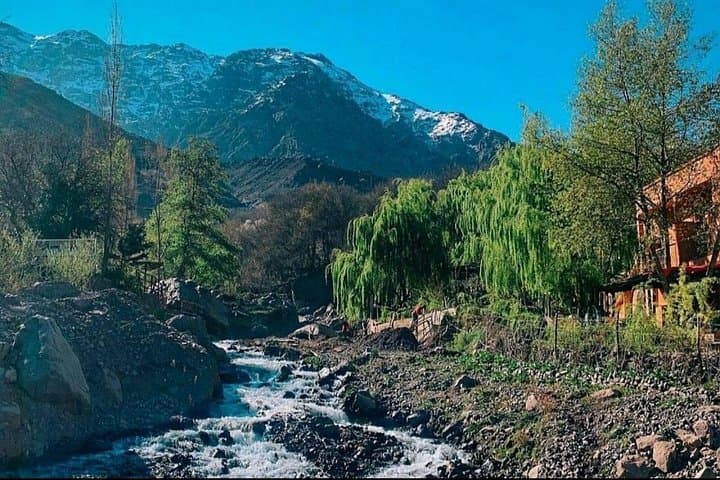
A pre-dawn pickup from a Marrakech riad slides you out of the city’s spice-stacked alleys and into mountain air that tastes like iron and cedar. The road climbs, olive terraces fall away, and the High Atlas appears shoulder-high on the horizon—raw, folded rock that dares you to climb. By midmorning you’re in Imlil, a compact Berber village where goats thread through cobbled lanes and a river pushes the valley forward toward a chain of waterfalls.
Verified experiences and guided adventures in the surrounding area.
Operated by Magical Toubkal Trek · Imlil, Marrakesh-Safi
A pre-dawn pickup from a Marrakech riad slides you out of the city’s spice-stacked alleys and into mountain air that tastes like iron and cedar. The road climbs, olive terraces fall away, and the High Atlas appears shoulder-high on the horizon—raw, folded rock that dares you to climb. By midmorning you’re in Imlil, a compact Berber village where goats thread through cobbled lanes and a river pushes the valley forward toward a chain of waterfalls.
The atlas range is young by geological standards—uplifted by the collision of the African and Eurasian plates—and its valleys were shaped by torrents that still cut the slopes. Culturally, this area has been inhabited by Amazigh (Berber) communities for centuries; families welcome visitors into homes for tajine and tea, and small argan co-ops link the mountains to coastal economies. Sidi Chamharouch, a local shrine set against a scree slope, offers quiet insight into mountain spirituality.
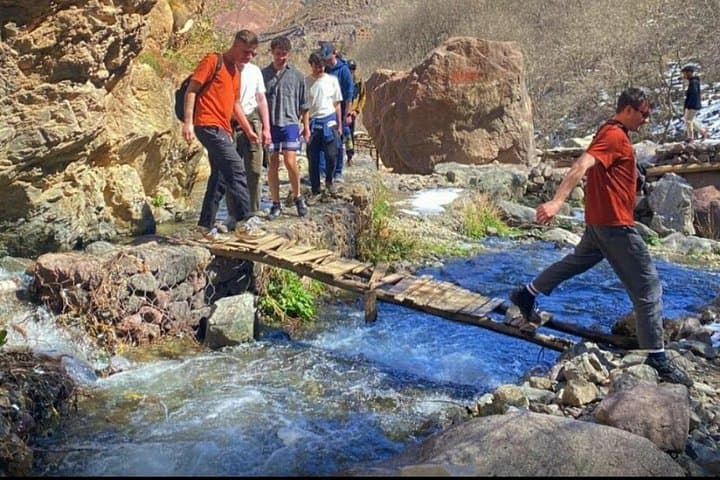
Practical side: the day lasts about seven hours and includes valley walks, short steep sections, and an optional dip at a waterfall pool—pack swimwear and a quick-dry towel. Trails are rocky and can be slippery; sturdy footwear, layered clothing for variable mountain weather, and 1–2 liters of water are essential. Expect moderate exertion and uneven terrain; if you have heart or spinal issues, this trip isn’t recommended. Timing matters—start early to avoid heat in summer and to catch clear light for panoramas. Support local guides and cooperatives: it benefits conservation and keeps the experience authentic.
moderate.
7 hours.
Participants should have good walking fitness, able to manage sustained uphill sections and uneven terrain for several hours.
Yes—this excursion includes hotel pickup in Marrakech; confirm your pickup point when booking.
Expect moderate effort: several hours of walking with short steep sections and uneven trails—good cardiovascular fitness recommended.
Local hosts can usually accommodate dietary needs if informed in advance via the booking’s special requirements.
Yes—many itineraries include a swim at a waterfall pool, but water is cold year-round and conditions vary with season; follow your guide’s advice.
The Imlil valley has long been inhabited by Amazigh (Berber) communities who traded mountain goods and maintained terraced agriculture; Toubkal served as a landmark and seasonal pasture region.
Erosion and water scarcity are local concerns—stick to marked trails, avoid single-use plastics, and support village co-ops that invest in sustainable livelihoods.
Magical Toubkal Trek operates guided outdoor trips and adventures with an emphasis on safety, stewardship, and memorable experiences.
A pre-dawn pickup from a Marrakech riad slides you out of the city’s spice-stacked alleys and into mountain air that tastes like iron and cedar. The road climbs, olive terraces fall away, and the High Atlas appears shoulder-high on the horizon—raw, folded rock that dares you to climb. By midmorning you’re in Imlil, a compact Berber village where goats thread through cobbled lanes and a river pushes the valley forward toward a chain of waterfalls.
A pre-dawn pickup from a Marrakech riad slides you out of the city’s spice-stacked alleys and into mountain air that tastes like iron and cedar. The road climbs, olive terraces fall away, and the High Atlas appears shoulder-high on the horizon—raw, folded rock that dares you to climb. By midmorning you’re in Imlil, a compact Berber village where goats thread through cobbled lanes and a river pushes the valley forward toward a chain of waterfalls.
The atlas range is young by geological standards—uplifted by the collision of the African and Eurasian plates—and its valleys were shaped by torrents that still cut the slopes. Culturally, this area has been inhabited by Amazigh (Berber) communities for centuries; families welcome visitors into homes for tajine and tea, and small argan co-ops link the mountains to coastal economies. Sidi Chamharouch, a local shrine set against a scree slope, offers quiet insight into mountain spirituality.
Practical side: the day lasts about seven hours and includes valley walks, short steep sections, and an optional dip at a waterfall pool—pack swimwear and a quick-dry towel. Trails are rocky and can be slippery; sturdy footwear, layered clothing for variable mountain weather, and 1–2 liters of water are essential. Expect moderate exertion and uneven terrain; if you have heart or spinal issues, this trip isn’t recommended. Timing matters—start early to avoid heat in summer and to catch clear light for panoramas. Support local guides and cooperatives: it benefits conservation and keeps the experience authentic.