THE ADVENTURE COLLECTIVE® · Independent discovery and booking for outdoor travel

Leave Nairobi before dawn and spend a day tracing the Rift Valley’s dramatic escarpment: bike or walk into Hells Gate’s gorge, watch geothermal steam in the Devil’s Kitchen, then unwind with a hippo- and bird-rich boat ride on Lake Naivasha. Practical, scenic, and accessible for most travelers.
Leave Nairobi before dawn and spend a day tracing the Rift Valley’s dramatic escarpment: bike or walk into Hells Gate’s gorge, watch geothermal steam in the Devil’s Kitchen, then unwind with a hippo- and bird-rich boat ride on Lake Naivasha. Practical, scenic, and accessible for most travelers.
The engine hum of the van fades as the Rift Valley opens up—an abrupt drop in the land that makes Nairobi feel a world away. By mid-morning the road gives you a view over the escarpment: a broad, raw fold in the earth where wind shapes cliffs and the plains below begin to breathe. At Elsa Gate the driver kills the engine and the air changes—drier, with acrid hints of hot rock and scrub. Hells Gate does not roar with big-cat drama; it dares you to read the landscape instead: basalt walls carving a narrow gorge, steam vents tinkering at the edges, and a network of trails that lead to pockets of surprising quiet.
Verified experiences and guided adventures in the surrounding area.
Operated by Wasili Kenya Safaris · Naivasha, Nakuru County
The engine hum of the van fades as the Rift Valley opens up—an abrupt drop in the land that makes Nairobi feel a world away. By mid-morning the road gives you a view over the escarpment: a broad, raw fold in the earth where wind shapes cliffs and the plains below begin to breathe. At Elsa Gate the driver kills the engine and the air changes—drier, with acrid hints of hot rock and scrub. Hells Gate does not roar with big-cat drama; it dares you to read the landscape instead: basalt walls carving a narrow gorge, steam vents tinkering at the edges, and a network of trails that lead to pockets of surprising quiet.
History and geology are close companions here. The park is carved on volcanic rifts of the eastern branch of the Great Rift Valley; erosion and tectonic pressure have sliced the rock into the steep gorges and geothermal fissures you walk through. Human presence is old here too—Maasai and Kalenjin communities have grazed and guided through these valleys for generations, and modern conservancy efforts around Naivasha balance wildlife viewing with pastoral traditions.
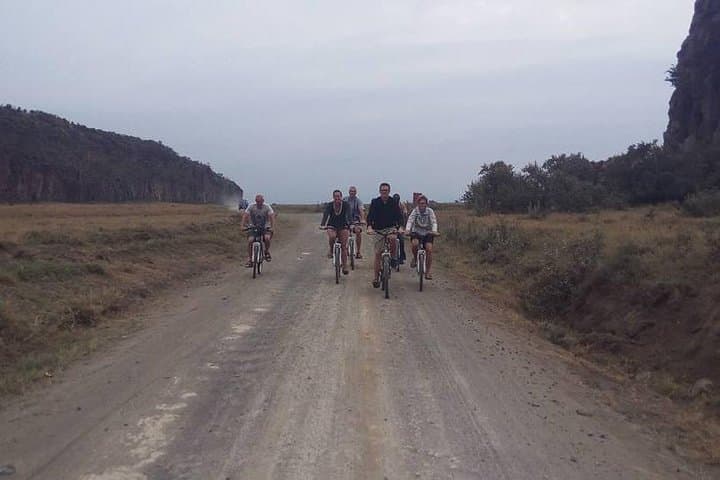
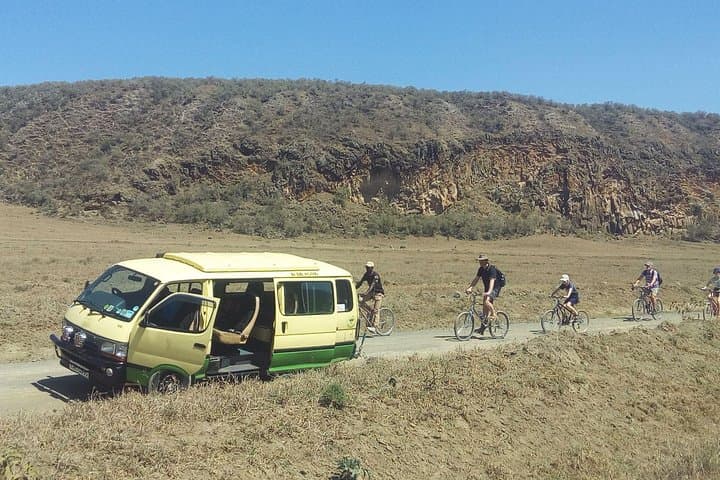
The itinerary moves with options. You can stay in the van and drive down into the gorge, or hire a bike and pedal roughly 8 kilometers along flat, often dusty roads to the trailheads. Walk the short or long loop that threads between the Devil’s Bedroom and the Devil’s Kitchen—steam hisses from fissures and a hot puddle will steam like a small, suspicious kettle. Climbers and photographers will find vertical faces and angles that catch late afternoon light, while birders will pick apart thorn-scrub for sunbirds and raptors. After the gorge, the trip swings to Lake Naivasha where a short boat ride delivers close encounters with hippos, and a rich checklist of waterbirds: kingfishers, cormorants, fish eagles.
Practicalities are straightforward. Pickups from Nairobi mean a roughly 1.5–2 hour drive each way depending on traffic; the full experience is about eight hours door-to-door. Entry fees are payable on arrival—bring a card—and bottled water is usually provided, but carry your own refillable bottle. Footwear matters: closed trail shoes or light hiking boots handle dusty tracks and occasional slick river rock. If you choose to bike, bring cycling gloves and a helmet; rentals are available at the park gate.
Timing is simple: start early to avoid Nairobi traffic and to have the gorge in cooler light; late afternoon returns bring softer views on the escarpment. Respect signage—some geothermal spots are unstable—and keep distance from hippos on the lake, which often look docile until threatened. The day trades on simplicity: hike where the earth shows its scars, let the lake hush your pace, and carry enough water and common sense to come home with stories rather than scrapes.
easy.
8–9 hours.
Suitable for travelers in light to moderate fitness—expect walking up to 3–6 miles and optional cycling segments.
Yes—confirm your pickup location and flight details at booking; the operator collects from hotels and the airport with about 35 minutes allowed before departure.
Entry fees are typically paid on arrival; bring a credit/visa card as advised by the operator.
No—cycling the 8 km to the gorge is optional. You can choose to ride in the van instead or rent a bike at the park gate.
No—Hells Gate does not host lions or rhinos; expect gazelles, zebra, hyrax, and abundant birdlife instead.
Boat rides are guided and generally safe, but maintain distance from hippos and follow the boat operator’s instructions at all times.
Layered clothing, closed shoes, a hat, and sun protection are recommended; bring a light jacket for early morning or late afternoon.
Hells Gate sits within the Kenyan Rift Valley, an area shaped by volcanic activity and long-term human grazing; local Maasai and Kalenjin communities have long managed landscapes around Naivasha.
Conservation here focuses on balancing tourism, wildlife protection, and local pastoral livelihoods; avoid single-use plastics and stick to marked trails to limit erosion.
Wasili Kenya Safaris operates guided outdoor trips and adventures with an emphasis on safety, stewardship, and memorable experiences.
The engine hum of the van fades as the Rift Valley opens up—an abrupt drop in the land that makes Nairobi feel a world away. By mid-morning the road gives you a view over the escarpment: a broad, raw fold in the earth where wind shapes cliffs and the plains below begin to breathe. At Elsa Gate the driver kills the engine and the air changes—drier, with acrid hints of hot rock and scrub. Hells Gate does not roar with big-cat drama; it dares you to read the landscape instead: basalt walls carving a narrow gorge, steam vents tinkering at the edges, and a network of trails that lead to pockets of surprising quiet.
The engine hum of the van fades as the Rift Valley opens up—an abrupt drop in the land that makes Nairobi feel a world away. By mid-morning the road gives you a view over the escarpment: a broad, raw fold in the earth where wind shapes cliffs and the plains below begin to breathe. At Elsa Gate the driver kills the engine and the air changes—drier, with acrid hints of hot rock and scrub. Hells Gate does not roar with big-cat drama; it dares you to read the landscape instead: basalt walls carving a narrow gorge, steam vents tinkering at the edges, and a network of trails that lead to pockets of surprising quiet.
History and geology are close companions here. The park is carved on volcanic rifts of the eastern branch of the Great Rift Valley; erosion and tectonic pressure have sliced the rock into the steep gorges and geothermal fissures you walk through. Human presence is old here too—Maasai and Kalenjin communities have grazed and guided through these valleys for generations, and modern conservancy efforts around Naivasha balance wildlife viewing with pastoral traditions.
The itinerary moves with options. You can stay in the van and drive down into the gorge, or hire a bike and pedal roughly 8 kilometers along flat, often dusty roads to the trailheads. Walk the short or long loop that threads between the Devil’s Bedroom and the Devil’s Kitchen—steam hisses from fissures and a hot puddle will steam like a small, suspicious kettle. Climbers and photographers will find vertical faces and angles that catch late afternoon light, while birders will pick apart thorn-scrub for sunbirds and raptors. After the gorge, the trip swings to Lake Naivasha where a short boat ride delivers close encounters with hippos, and a rich checklist of waterbirds: kingfishers, cormorants, fish eagles.
Practicalities are straightforward. Pickups from Nairobi mean a roughly 1.5–2 hour drive each way depending on traffic; the full experience is about eight hours door-to-door. Entry fees are payable on arrival—bring a card—and bottled water is usually provided, but carry your own refillable bottle. Footwear matters: closed trail shoes or light hiking boots handle dusty tracks and occasional slick river rock. If you choose to bike, bring cycling gloves and a helmet; rentals are available at the park gate.
Timing is simple: start early to avoid Nairobi traffic and to have the gorge in cooler light; late afternoon returns bring softer views on the escarpment. Respect signage—some geothermal spots are unstable—and keep distance from hippos on the lake, which often look docile until threatened. The day trades on simplicity: hike where the earth shows its scars, let the lake hush your pace, and carry enough water and common sense to come home with stories rather than scrapes.