THE ADVENTURE COLLECTIVE® · Independent discovery and booking for outdoor travel

Leave Tbilisi for a seven‑to‑eight‑hour escape along the Georgian Military Highway to Gudauri. Visit Zhinvali Reservoir and Ananuri Fortress, then spend time skiing, riding the cable car, or watching paragliders above the Greater Caucasus.
Leave Tbilisi for a seven‑to‑eight‑hour escape along the Georgian Military Highway to Gudauri. Visit Zhinvali Reservoir and Ananuri Fortress, then spend time skiing, riding the cable car, or watching paragliders above the Greater Caucasus.
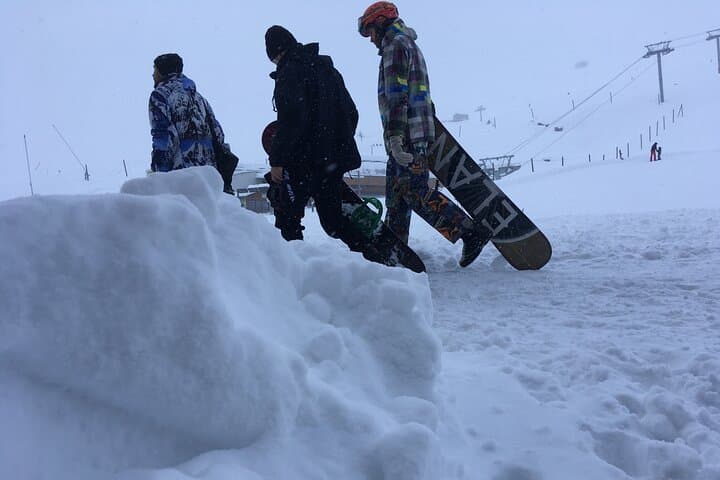
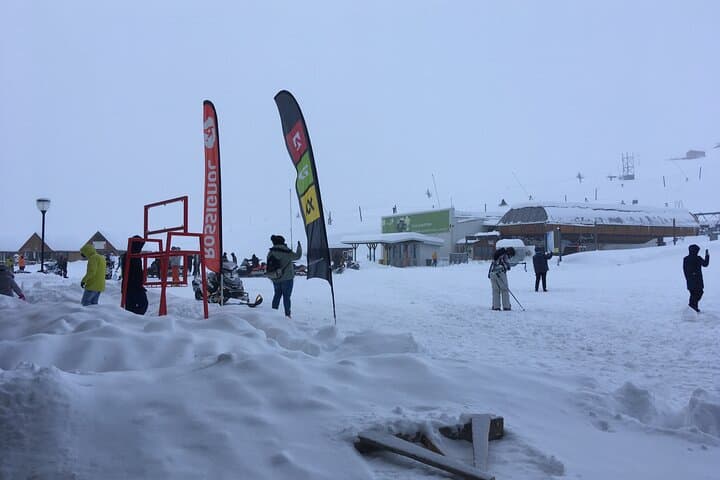
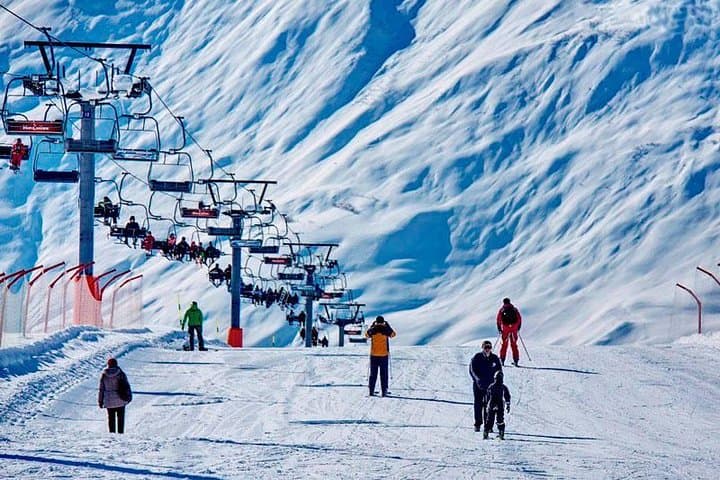
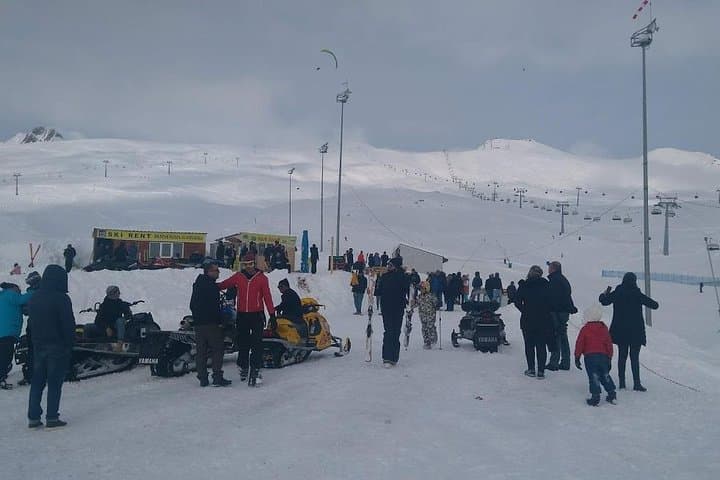
A sliver of highway opens to mountain: snow fields fan out above a valley and the Georgian Military Highway threads between stone hairpins and roadside viewpoints. On this full-day run from Tbilisi, travelers move from urban pavements into an Alpine winter—blue reservoir water cut against white slopes, crenellated towers of a centuries-old fortress, and at last the broad apron of Gudauri where lifts and paragliders puncture the skyline.
Verified experiences and guided adventures in the surrounding area.
Operated by BB Georgia Travel · Gudauri, Mtskheta-Mtianeti
A sliver of highway opens to mountain: snow fields fan out above a valley and the Georgian Military Highway threads between stone hairpins and roadside viewpoints. On this full-day run from Tbilisi, travelers move from urban pavements into an Alpine winter—blue reservoir water cut against white slopes, crenellated towers of a centuries-old fortress, and at last the broad apron of Gudauri where lifts and paragliders puncture the skyline.
The route follows a storied corridor used for centuries to connect Georgia with the North Caucasus; stops at Zhinvali Reservoir and the 16th‑century Ananuri Fortress frame the day's cultural and photographic highlights. Geologically, the Greater Caucasus here is young and uplifted—steep ridgelines, glacially carved cirques and broad scree slopes create reliable winter snowpack that made Gudauri Georgia’s primary ski area. Locals mix Soviet-era ski infrastructure with new ropeways and cafés catering to international visitors.
Practically, expect 7–8 hours total including transit (roughly 2–2.5 hours each way from central Tbilisi, depending on road and weather) and several hours on-site for skiing, riding the cable car, or watching paragliders launch. Gudauri sits around 2,000–2,200 m elevation; layers, sun protection and basic altitude awareness are essential. Roads on the Military Highway can be icy—drivers experienced with mountain winter conditions are part of most private transfers. For skiers, lift tickets and equipment rentals are widely available; beginners can hire instructors. Timing a weekday or early-season morning reduces lift lines and maximizes light for photography.
moderate.
7–8 hours.
Able to tolerate several hours of cold exposure and short walks; skiing/snowboarding requires moderate fitness and balance.
Expect about 2–2.5 hours each way under normal winter conditions; allow extra time for stops at Zhinvali and Ananuri.
Yes—Gudauri has local instructors and rental shops; arrange lessons in advance if you need guaranteed instruction during your visit.
Absolutely—viewpoints, the cable car, mountain cafés and the Ananuri stop offer scenic experiences without skiing.
Professional drivers know the route and vehicles typically carry winter tires; however, weather can delay travel—check conditions and keep flexible timing.
The Georgian Military Highway has been a strategic route for centuries; Ananuri is an active medieval fortress complex guarding the Aragvi valley since the 16th century.
Rising winter tourism stresses fragile alpine vegetation and snowpack—stick to marked runs, pack out waste, and respect local ski area rules to limit impact.
BB Georgia Travel operates guided outdoor trips and adventures with an emphasis on safety, stewardship, and memorable experiences.
A sliver of highway opens to mountain: snow fields fan out above a valley and the Georgian Military Highway threads between stone hairpins and roadside viewpoints. On this full-day run from Tbilisi, travelers move from urban pavements into an Alpine winter—blue reservoir water cut against white slopes, crenellated towers of a centuries-old fortress, and at last the broad apron of Gudauri where lifts and paragliders puncture the skyline.
A sliver of highway opens to mountain: snow fields fan out above a valley and the Georgian Military Highway threads between stone hairpins and roadside viewpoints. On this full-day run from Tbilisi, travelers move from urban pavements into an Alpine winter—blue reservoir water cut against white slopes, crenellated towers of a centuries-old fortress, and at last the broad apron of Gudauri where lifts and paragliders puncture the skyline.
The route follows a storied corridor used for centuries to connect Georgia with the North Caucasus; stops at Zhinvali Reservoir and the 16th‑century Ananuri Fortress frame the day's cultural and photographic highlights. Geologically, the Greater Caucasus here is young and uplifted—steep ridgelines, glacially carved cirques and broad scree slopes create reliable winter snowpack that made Gudauri Georgia’s primary ski area. Locals mix Soviet-era ski infrastructure with new ropeways and cafés catering to international visitors.
Practically, expect 7–8 hours total including transit (roughly 2–2.5 hours each way from central Tbilisi, depending on road and weather) and several hours on-site for skiing, riding the cable car, or watching paragliders launch. Gudauri sits around 2,000–2,200 m elevation; layers, sun protection and basic altitude awareness are essential. Roads on the Military Highway can be icy—drivers experienced with mountain winter conditions are part of most private transfers. For skiers, lift tickets and equipment rentals are widely available; beginners can hire instructors. Timing a weekday or early-season morning reduces lift lines and maximizes light for photography.