THE ADVENTURE COLLECTIVE® · Independent discovery and booking for outdoor travel

Spend one decisive day tracing the evolution of Ancient Egyptian tomb architecture—from Dahshur’s early stone experiments to Saqqara’s Step Pyramid and the monumental Giza plateau. This private tour pairs expert commentary with close-up views and a hands-on papyrus demonstration.
Spend one decisive day tracing the evolution of Ancient Egyptian tomb architecture—from Dahshur’s early stone experiments to Saqqara’s Step Pyramid and the monumental Giza plateau. This private tour pairs expert commentary with close-up views and a hands-on papyrus demonstration.
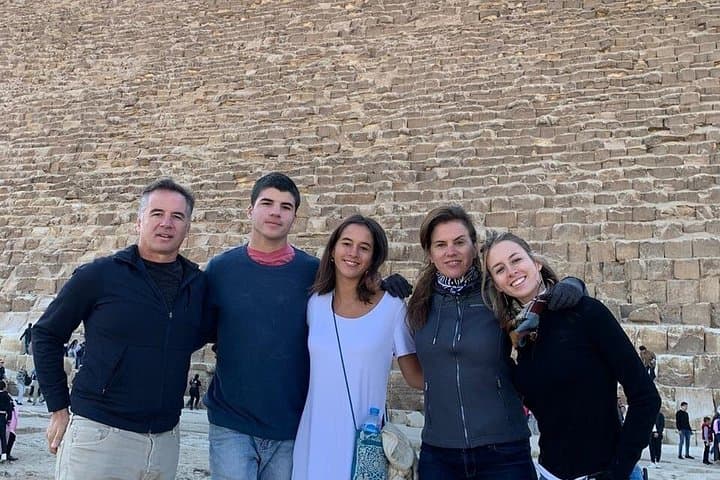
You step out of the air-conditioned car and the desert greets you like a slow, dry tide—light pushes across the sand and the Pyramids of Giza rise ahead, blunt and enormous against the blue.
Verified experiences and guided adventures in the surrounding area.
Operated by Egypt Gift Tours · Giza, Cairo Governorate
You step out of the air-conditioned car and the desert greets you like a slow, dry tide—light pushes across the sand and the Pyramids of Giza rise ahead, blunt and enormous against the blue.
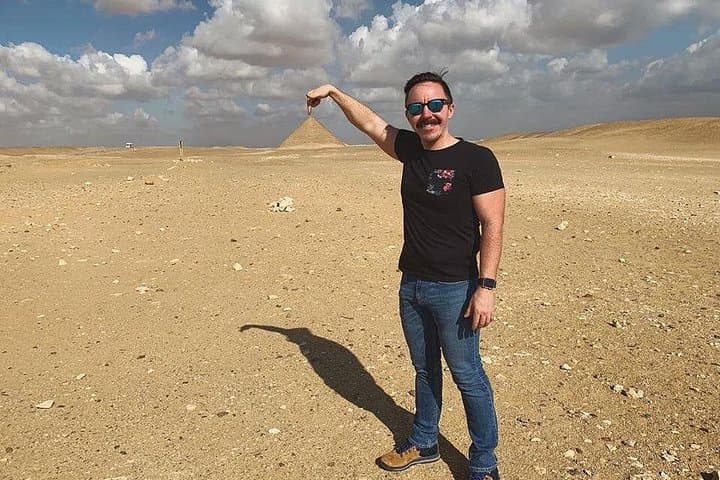
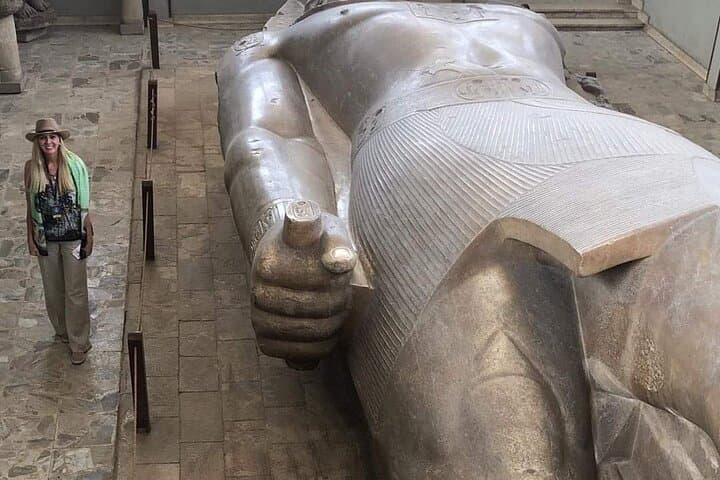
This eight-hour private route threads the early experiments of pharaonic engineering: Dahshur’s Bent and Red Pyramids show the awkward adolescence of stone architecture, Saqqara’s Step Pyramid (designed by Imhotep) marks the shift from flat mastaba tombs to vertical ambition, and Memphis lays out the civic scale that supported these royal projects. The limestone and gypsum blocks retain the fingerprint of ancient quarrying; wind and sand keep their own pace, eroding edges yet preserving mass.
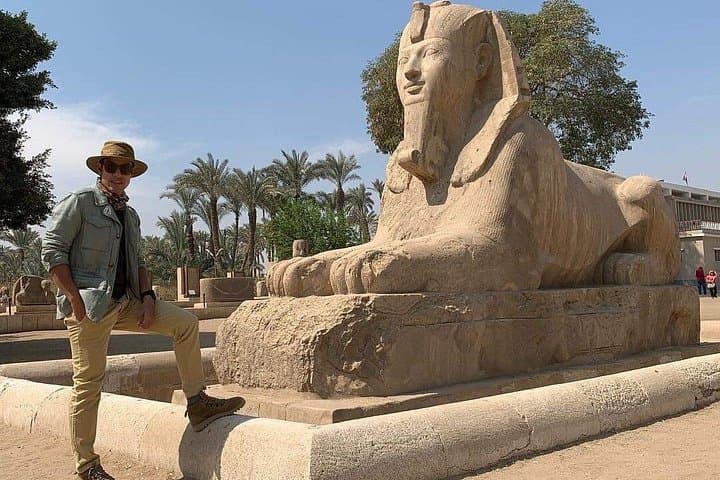
A licensed Egyptologist guides the day, moving from open-air ruins to a local papyrus institute and then to the Giza plateau where the Great Pyramid and Sphinx occupy a broad, hot stage. Expect uneven ground, short climbs up berms, and long sightlines that make small things look heroic.
Practicalities matter: the itinerary is tight—plan for eight hours including transfers from central Cairo or Giza, bring layered sun protection, and carry sufficient cash or card for entrance supplements (entering internal chambers and the Solar Boat Museum is optional and often extra). Hydrate before you go and pace photo stops to keep the group moving. Restroom facilities are intermittent between sites, and shaded breaks are brief. With a knowledgeable guide and proper prep, this day condenses millennia of Egyptian funerary craft into a clear, walkable arc.
easy.
8 hours.
Suitable for travelers with basic fitness who can walk short distances over uneven ground and step up low ledges.
Main site access is typically not included—entrance to internal pyramid chambers and some museums is extra and paid on-site.
Expect moderate walking—short distances across uneven ground and sand at multiple sites, with frequent stops for commentary and photos.
The tour is physically easy overall, but some sites have uneven terrain; wheelchair access is limited at archaeological areas, though pickup and drop-off can be arranged.
Yes, entry to internal chambers is sometimes available for an additional ticket; availability can vary and may require queuing or time adjustments.
These sites chart the technical evolution of monumental burial architecture from the 27th–26th centuries BC through the Old Kingdom, showing how form and angle changed as rulers sought stability and visibility.
High visitor volume and wind-driven erosion stress exposed stonework; follow designated paths, avoid climbing on monuments, and support local conservation initiatives when offered.
Egypt Gift Tours operates guided outdoor trips and adventures with an emphasis on safety, stewardship, and memorable experiences.
You step out of the air-conditioned car and the desert greets you like a slow, dry tide—light pushes across the sand and the Pyramids of Giza rise ahead, blunt and enormous against the blue.
You step out of the air-conditioned car and the desert greets you like a slow, dry tide—light pushes across the sand and the Pyramids of Giza rise ahead, blunt and enormous against the blue.
This eight-hour private route threads the early experiments of pharaonic engineering: Dahshur’s Bent and Red Pyramids show the awkward adolescence of stone architecture, Saqqara’s Step Pyramid (designed by Imhotep) marks the shift from flat mastaba tombs to vertical ambition, and Memphis lays out the civic scale that supported these royal projects. The limestone and gypsum blocks retain the fingerprint of ancient quarrying; wind and sand keep their own pace, eroding edges yet preserving mass.
A licensed Egyptologist guides the day, moving from open-air ruins to a local papyrus institute and then to the Giza plateau where the Great Pyramid and Sphinx occupy a broad, hot stage. Expect uneven ground, short climbs up berms, and long sightlines that make small things look heroic.
Practicalities matter: the itinerary is tight—plan for eight hours including transfers from central Cairo or Giza, bring layered sun protection, and carry sufficient cash or card for entrance supplements (entering internal chambers and the Solar Boat Museum is optional and often extra). Hydrate before you go and pace photo stops to keep the group moving. Restroom facilities are intermittent between sites, and shaded breaks are brief. With a knowledgeable guide and proper prep, this day condenses millennia of Egyptian funerary craft into a clear, walkable arc.