THE ADVENTURE COLLECTIVE® · Independent discovery and booking for outdoor travel

Combine Drakensberg geology, ancient San rock art and the poignant Nelson Mandela Capture Site on a long, accessible day trip from Durban. Expect scenic drives, short walks to viewpoints, and compact cultural interpretation.
Combine Drakensberg geology, ancient San rock art and the poignant Nelson Mandela Capture Site on a long, accessible day trip from Durban. Expect scenic drives, short walks to viewpoints, and compact cultural interpretation.
Sunrise on a KwaZulu‑Natal road is a slow shift from coastal humidity to highland clarity; the van hums north out of Durban and the Drakensberg silhouette grows sharper on the horizon.
Verified experiences and guided adventures in the surrounding area.
Operated by Beyond Africa Safaris (Pty)Ltd · Durban, KwaZulu-Natal
Sunrise on a KwaZulu‑Natal road is a slow shift from coastal humidity to highland clarity; the van hums north out of Durban and the Drakensberg silhouette grows sharper on the horizon.
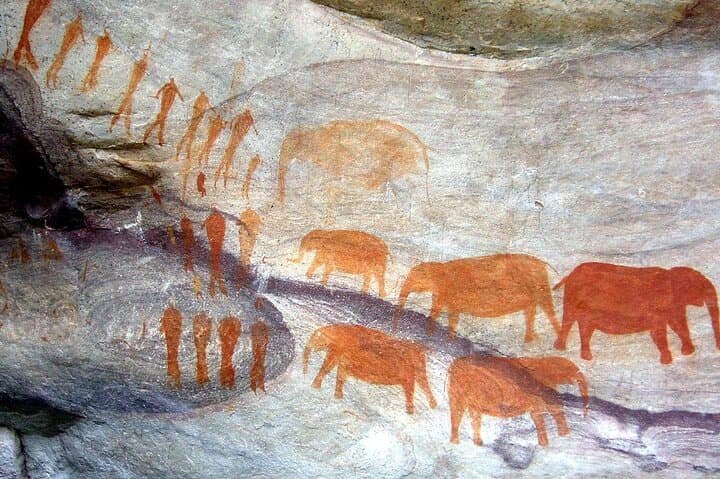
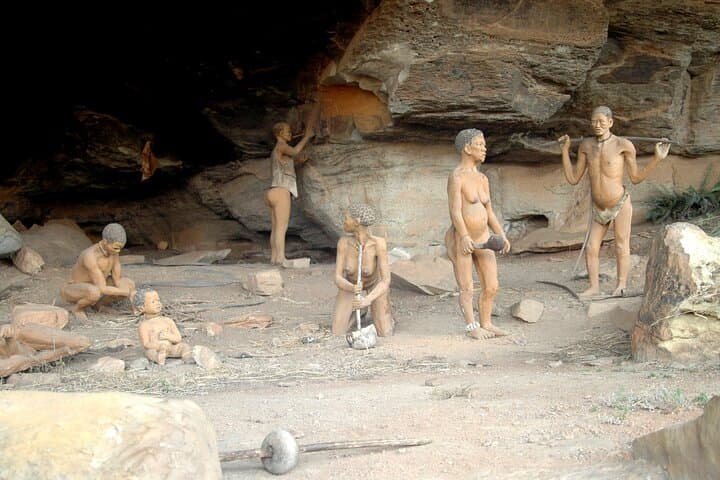
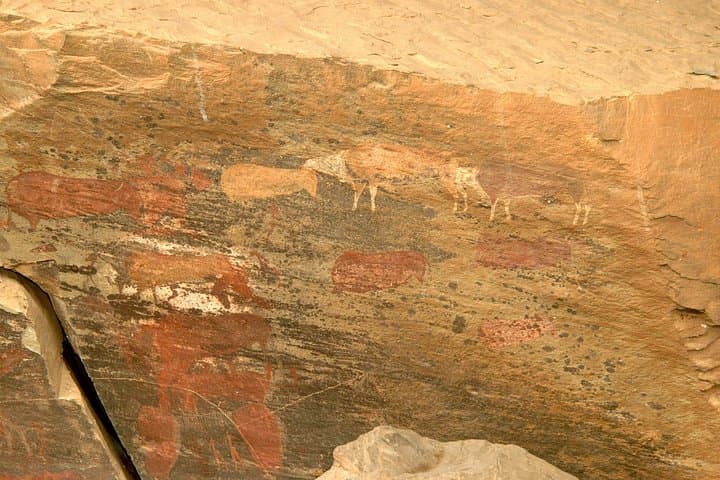
At Giants Castle Reserve the landscape changes to sandstone buttresses and grassy amphitheatres where San rock paintings sit on sheltered overhangs—delicate pigments that record hunting scenes, rituals and the spiritual world of people who lived here thousands of years ago. Geologically, the Drakensberg is basalt capped by erosion-resistant sediments, creating steep cliffs, ridgelines and deep valleys that funnel weather into dramatic waterfalls and misty mornings.
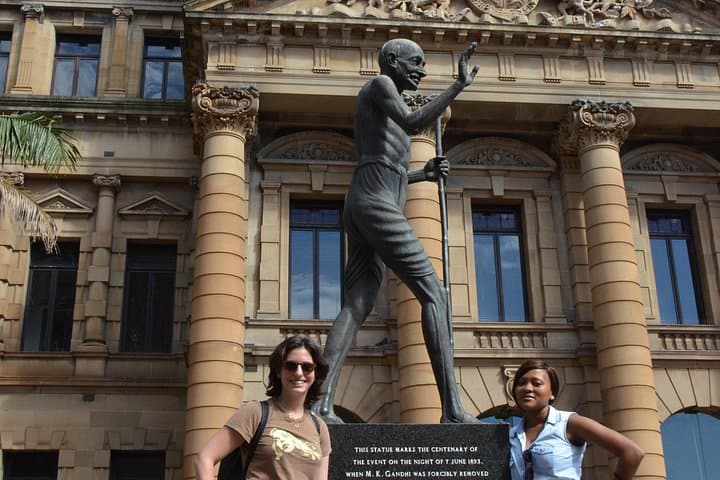
The route threads through Pietermaritzburg’s colonial-era architecture and on to Howick, where the Umgeni River drops 95 meters at Howick Falls, a local landmark long significant to Zulu communities. The Nelson Mandela Capture Site nearby pairs a striking steel sculpture with a small museum that contextualizes Mandela’s arrest in 1962 and the broader apartheid struggle.
Practically, expect a long but accessible day: mostly road time with short walks to viewpoints and rock‑art panels; surfaces range from paved viewing areas to uneven rock ledges. Bring sturdy walking shoes, sun and rain protection, and a refillable water bottle. Photography is allowed at most outdoor sites, but leave rock art untouched—oils from hands damage pigments. The tour suits travelers wanting a concentrated cultural and natural overview in one day: history, geology and landscape in clear, walkable segments, capped by the visceral presence of waterfalls and memorial art that put South Africa’s past and terrain in immediate conversation.
easy.
10–11 hours.
Suitable for travelers in average fitness; requires short walks and standing for up to 30–60 minutes at a time.
The tour is roughly 10–11 hours, starting early in Durban with stops in Pietermaritzburg, Giants Castle Reserve, Howick Falls, the Mandela Capture Site, and return to Durban.
Yes—transport, a shared guide/driver, and included entrance fees are part of the tour price; bottled water is provided onboard.
The operator lists wheelchair‑accessible transport and surfaces at some sites, but mobility limitations may restrict access to certain rock‑art ledges and viewpoints—check specific needs with the provider when booking.
Yes for school‑age children; the itinerary involves long travel segments and some short walks—plan snacks and breaks for younger kids.
Giants Castle preserves San rock art created over millennia; the Mandela Capture Site marks a pivotal moment in South Africa’s anti‑apartheid history with a large steel portrait sculpture and museum interpretation.
Visitors should stay on marked paths and avoid touching rock art; support local guides and entrance fees that help fund reserve maintenance and cultural conservation.
Beyond Africa Safaris (Pty)Ltd operates guided outdoor trips and adventures with an emphasis on safety, stewardship, and memorable experiences.
Sunrise on a KwaZulu‑Natal road is a slow shift from coastal humidity to highland clarity; the van hums north out of Durban and the Drakensberg silhouette grows sharper on the horizon.
Sunrise on a KwaZulu‑Natal road is a slow shift from coastal humidity to highland clarity; the van hums north out of Durban and the Drakensberg silhouette grows sharper on the horizon.
At Giants Castle Reserve the landscape changes to sandstone buttresses and grassy amphitheatres where San rock paintings sit on sheltered overhangs—delicate pigments that record hunting scenes, rituals and the spiritual world of people who lived here thousands of years ago. Geologically, the Drakensberg is basalt capped by erosion-resistant sediments, creating steep cliffs, ridgelines and deep valleys that funnel weather into dramatic waterfalls and misty mornings.
The route threads through Pietermaritzburg’s colonial-era architecture and on to Howick, where the Umgeni River drops 95 meters at Howick Falls, a local landmark long significant to Zulu communities. The Nelson Mandela Capture Site nearby pairs a striking steel sculpture with a small museum that contextualizes Mandela’s arrest in 1962 and the broader apartheid struggle.
Practically, expect a long but accessible day: mostly road time with short walks to viewpoints and rock‑art panels; surfaces range from paved viewing areas to uneven rock ledges. Bring sturdy walking shoes, sun and rain protection, and a refillable water bottle. Photography is allowed at most outdoor sites, but leave rock art untouched—oils from hands damage pigments. The tour suits travelers wanting a concentrated cultural and natural overview in one day: history, geology and landscape in clear, walkable segments, capped by the visceral presence of waterfalls and memorial art that put South Africa’s past and terrain in immediate conversation.