THE ADVENTURE COLLECTIVE® · Independent discovery and booking for outdoor travel

Half an hour by ferry from Ibiza, Formentera delivers pale sand, shallow turquoise bays and quiet villages. This six‑hour island day trip combines world-class beaches, snorkel time over Posidonia meadows and a stroll through Sant Francesc’s market-lined square.
Half an hour by ferry from Ibiza, Formentera delivers pale sand, shallow turquoise bays and quiet villages. This six‑hour island day trip combines world-class beaches, snorkel time over Posidonia meadows and a stroll through Sant Francesc’s market-lined square.
You step off the ferry and the island opens like a clean sheet of sky and sea — low, light-colored buildings, wind-edged salt pans, and the faint scrape of a wave against white sand. The air tastes of brine and thyme; a cyclonic breeze pushes you toward the coast where Ses Illetes stretches in shallow turquoise bands and Es Pujols hums with coastal cafés.
Verified experiences and guided adventures in the surrounding area.
Operated by Thibaut Guide IBIZA · Sant Francesc Xavier, Balearic Islands
You step off the ferry and the island opens like a clean sheet of sky and sea — low, light-colored buildings, wind-edged salt pans, and the faint scrape of a wave against white sand. The air tastes of brine and thyme; a cyclonic breeze pushes you toward the coast where Ses Illetes stretches in shallow turquoise bands and Es Pujols hums with coastal cafés.
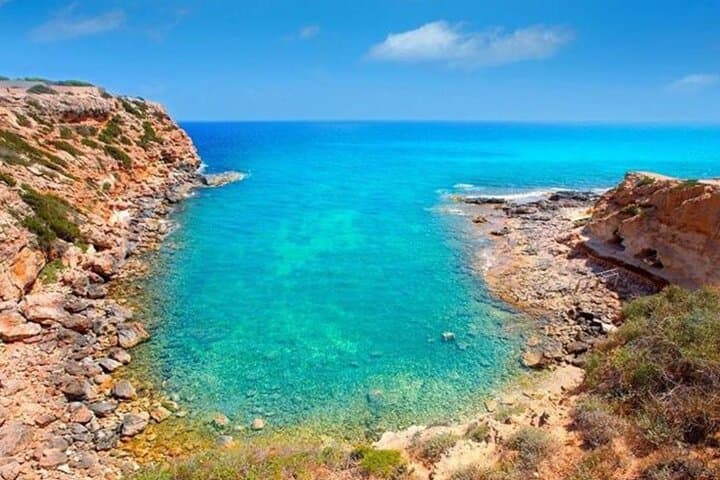
Formentera’s history is modest but layered: prehistoric settlements, Roman sailors who charted its coves, and a long tradition of salt extraction that shaped the northern flats now protected inside the Natural Park of Ses Salines. Geologically, the island is carbonate — compacted shell and sand over porous limestone — which produces those razor-sharp, sun-bright beaches and crystal-clear water nurtured by extensive Posidonia seagrass meadows that filter the sea.
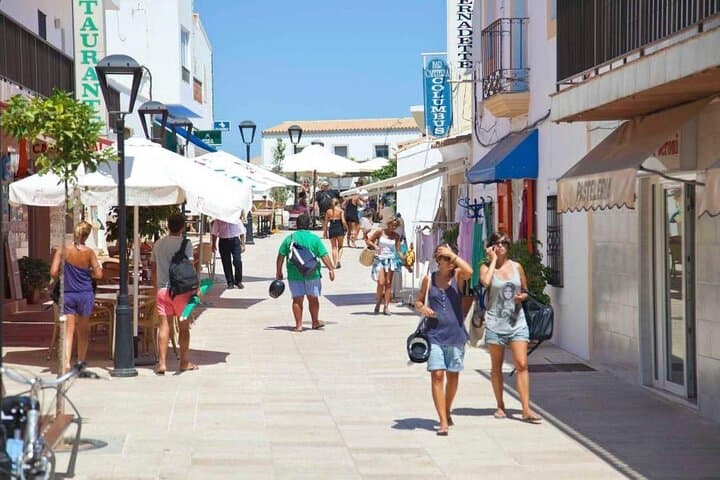
Culturally the pace is intentionally slow; Sant Francesc Xavier remains the social center with its 18th-century church, weekly craft markets and shaded squares where locals trade gossip and fishermen mend nets. The island’s infrastructure is purposely low-rise to preserve sightlines and habitat.
Practical guidance: plan for a six-hour shore-based itinerary — beach time at Ses Illetes, a swim and snorkel near shallow reefs, and a walk through Sant Francesc for lunch. Respect protected zones, avoid anchoring on seagrass, and time your visit outside midday heat when possible. Bring reef-safe sunscreen, a good mask, water and cash for small chiringuitos. Moderate footing on limestone paths and occasional wind can make short walks feel harder; pace yourself and hydrate. In short, Formentera rewards simple, tactile attention: good shoes, a mask, and the willingness to slow down.
moderate.
6 hours.
Should be in average physical condition—able to walk on uneven shorelines and swim short distances for snorkeling
The advertised excursion runs about six hours on Formentera: enough for two major beach stops and a village visit.
Snorkeling equipment use is provided on this tour, but bringing your own mask can be more comfortable and hygienic.
Yes—waters are shallow and clear, but watch currents at channel points and stay within marked swimming areas in the Natural Park.
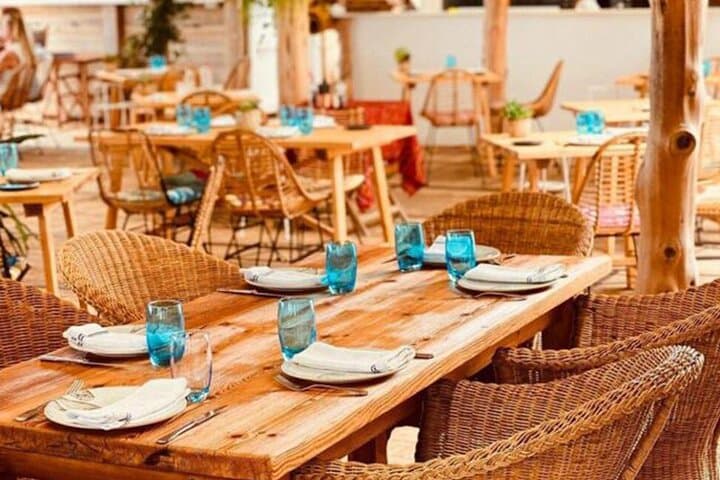
Yes—Es Pujols and Sant Francesc have cafés and chiringuitos serving fresh seafood and light meals; small markets operate seasonally.
Salt extraction and small‑scale fishing shaped Formentera’s economy for centuries; protections now preserve the island’s coastal flats.
Much of the north is inside the Ses Salines Natural Park; visitors should minimize disturbance to Posidonia meadows and use marked paths to protect dunes.
Thibaut Guide IBIZA operates guided outdoor trips and adventures with an emphasis on safety, stewardship, and memorable experiences.
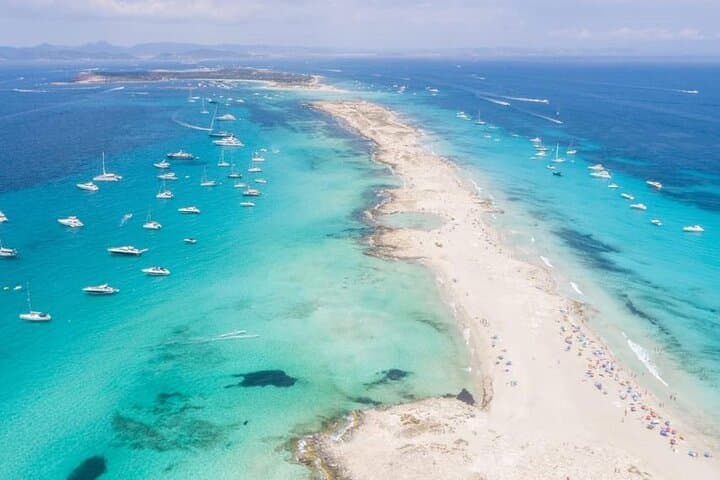
You step off the ferry and the island opens like a clean sheet of sky and sea — low, light-colored buildings, wind-edged salt pans, and the faint scrape of a wave against white sand. The air tastes of brine and thyme; a cyclonic breeze pushes you toward the coast where Ses Illetes stretches in shallow turquoise bands and Es Pujols hums with coastal cafés.
You step off the ferry and the island opens like a clean sheet of sky and sea — low, light-colored buildings, wind-edged salt pans, and the faint scrape of a wave against white sand. The air tastes of brine and thyme; a cyclonic breeze pushes you toward the coast where Ses Illetes stretches in shallow turquoise bands and Es Pujols hums with coastal cafés.
Formentera’s history is modest but layered: prehistoric settlements, Roman sailors who charted its coves, and a long tradition of salt extraction that shaped the northern flats now protected inside the Natural Park of Ses Salines. Geologically, the island is carbonate — compacted shell and sand over porous limestone — which produces those razor-sharp, sun-bright beaches and crystal-clear water nurtured by extensive Posidonia seagrass meadows that filter the sea.
Culturally the pace is intentionally slow; Sant Francesc Xavier remains the social center with its 18th-century church, weekly craft markets and shaded squares where locals trade gossip and fishermen mend nets. The island’s infrastructure is purposely low-rise to preserve sightlines and habitat.
Practical guidance: plan for a six-hour shore-based itinerary — beach time at Ses Illetes, a swim and snorkel near shallow reefs, and a walk through Sant Francesc for lunch. Respect protected zones, avoid anchoring on seagrass, and time your visit outside midday heat when possible. Bring reef-safe sunscreen, a good mask, water and cash for small chiringuitos. Moderate footing on limestone paths and occasional wind can make short walks feel harder; pace yourself and hydrate. In short, Formentera rewards simple, tactile attention: good shoes, a mask, and the willingness to slow down.