THE ADVENTURE COLLECTIVE® · Independent discovery and booking for outdoor travel

A full-day escape from Cairo to Fayoum's water-carved cliffs, fossil fields, and desert lakes. Explore Wadi El Rayan waterfalls, Qarun Lake, and the fossil-rich Wadi al-Hitan with guided jeep transfers and a local lunch.
A full-day escape from Cairo to Fayoum's water-carved cliffs, fossil fields, and desert lakes. Explore Wadi El Rayan waterfalls, Qarun Lake, and the fossil-rich Wadi al-Hitan with guided jeep transfers and a local lunch.
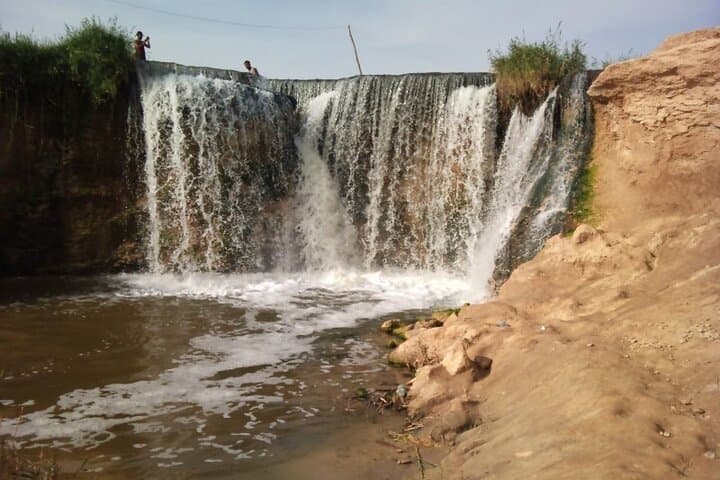
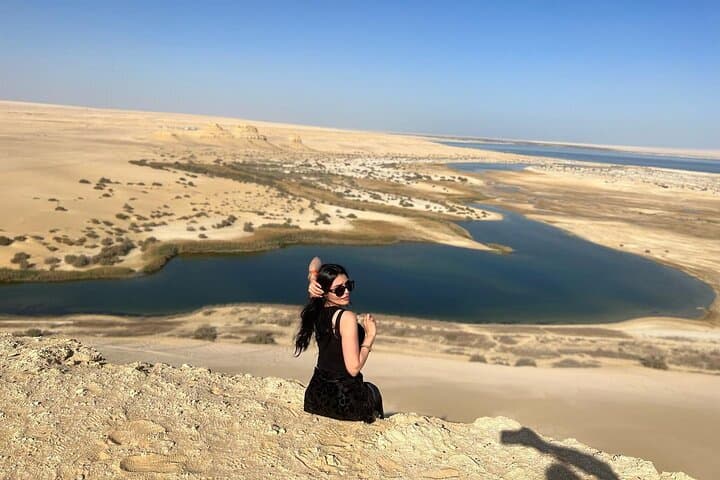
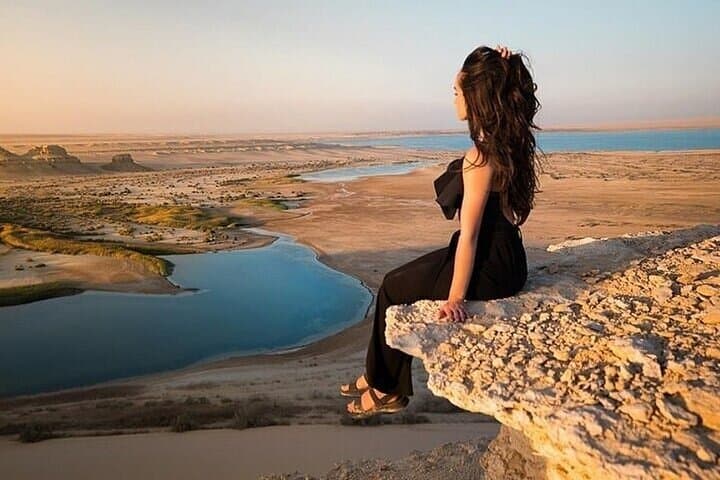
You step from the air-conditioned van into a dry heat that carries sand and salt across a wide, low plain. The cliffs around Wadi El Rayan lean like slow-moving walls; the waterfalls spill into blue-green pools that dare you to cool off. The day unfolds as a sequence of geological pages: lake shorelines, fossil fields, desert dunes and a small hilltop village that watches a salt lake like an old guardian.
Verified experiences and guided adventures in the surrounding area.
Operated by Egipto Excursiones · Fayoum, Fayoum Governorate
You step from the air-conditioned van into a dry heat that carries sand and salt across a wide, low plain. The cliffs around Wadi El Rayan lean like slow-moving walls; the waterfalls spill into blue-green pools that dare you to cool off. The day unfolds as a sequence of geological pages: lake shorelines, fossil fields, desert dunes and a small hilltop village that watches a salt lake like an old guardian.
Fayoum's story stretches from Pharaonic irrigation works to modern conservation. Qarun Lake occupies a basin shaped by millennia of Nile shifts; nearby Wadi al-Hitan preserves whale skeletons from the Eocene, a clear marker of the region's deep marine past. Local villages such as Izbat Tunis offer pottery and quiet viewpoints over the plain, while the waterfall at Wadi El Rayan—Egypt's largest—shows how water still carves surprises into the desert.
Expect short walks over firm sand, jeep-track driving, and a chance to swim at seasonal pools. Guides usually include entry fees, bottled water, and a local lunch; access to fossil sites is controlled to protect fragile remains. Bring sun protection, a sturdy pair of shoes for uneven ground, and a sense of curiosity: the landscape here moves between archaeological scale and playground-scale dunes.
Timing matters—early starts avoid midday heat and late afternoons give better light for photos. Respect signage at Wadi al-Hitan and leave fossils where they lie; these remains are scientific records, not souvenirs.
moderate.
6 hours.
Basic to moderate fitness for short hikes, dune walking and getting on/off jeeps
Yes—this tour includes hotel pickup in Cairo by private A/C vehicle as part of the transfer service.
Swimming is often permitted in designated pools but depends on water levels and safety conditions set by guides.
Entry fees are included in the listed inclusions; confirm at booking for any optional sites or activities.
Much of the tour involves uneven ground and short walks; it's not recommended for travelers with serious mobility restrictions.
Fayoum has been a managed agricultural basin since antiquity; medieval and Pharaonic irrigation altered Nile waters to create the oasis landscape seen today.
Wadi al-Hitan is a UNESCO site protected for its fossil record; visitors should follow marked trails to reduce erosion and disturbance.
Egipto Excursiones operates guided outdoor trips and adventures with an emphasis on safety, stewardship, and memorable experiences.

You step from the air-conditioned van into a dry heat that carries sand and salt across a wide, low plain. The cliffs around Wadi El Rayan lean like slow-moving walls; the waterfalls spill into blue-green pools that dare you to cool off. The day unfolds as a sequence of geological pages: lake shorelines, fossil fields, desert dunes and a small hilltop village that watches a salt lake like an old guardian.
You step from the air-conditioned van into a dry heat that carries sand and salt across a wide, low plain. The cliffs around Wadi El Rayan lean like slow-moving walls; the waterfalls spill into blue-green pools that dare you to cool off. The day unfolds as a sequence of geological pages: lake shorelines, fossil fields, desert dunes and a small hilltop village that watches a salt lake like an old guardian.
Fayoum's story stretches from Pharaonic irrigation works to modern conservation. Qarun Lake occupies a basin shaped by millennia of Nile shifts; nearby Wadi al-Hitan preserves whale skeletons from the Eocene, a clear marker of the region's deep marine past. Local villages such as Izbat Tunis offer pottery and quiet viewpoints over the plain, while the waterfall at Wadi El Rayan—Egypt's largest—shows how water still carves surprises into the desert.
Expect short walks over firm sand, jeep-track driving, and a chance to swim at seasonal pools. Guides usually include entry fees, bottled water, and a local lunch; access to fossil sites is controlled to protect fragile remains. Bring sun protection, a sturdy pair of shoes for uneven ground, and a sense of curiosity: the landscape here moves between archaeological scale and playground-scale dunes.
Timing matters—early starts avoid midday heat and late afternoons give better light for photos. Respect signage at Wadi al-Hitan and leave fossils where they lie; these remains are scientific records, not souvenirs.