THE ADVENTURE COLLECTIVE® · Independent discovery and booking for outdoor travel

A compact cultural day trip from Coimbra that connects the Sanctuary of Fátima with two of Portugal’s greatest medieval monasteries. Expect quiet plazas, carved stone, and a paced, interpretive walkthrough of faith and history.
A compact cultural day trip from Coimbra that connects the Sanctuary of Fátima with two of Portugal’s greatest medieval monasteries. Expect quiet plazas, carved stone, and a paced, interpretive walkthrough of faith and history.
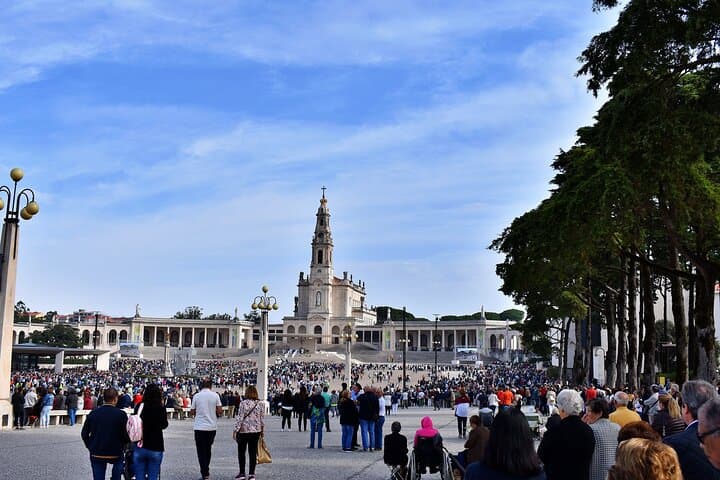
You arrive on a cool morning as the road flattens into the plain north of Coimbra, olive groves sliding past the windows while the towers of the Sanctuary of Fátima loom ahead like a place that keeps its own quiet calendar.
Verified experiences and guided adventures in the surrounding area.
Operated by Aventuras Forte(s) - Turismo de Natureza · Fátima, Santarém
You arrive on a cool morning as the road flattens into the plain north of Coimbra, olive groves sliding past the windows while the towers of the Sanctuary of Fátima loom ahead like a place that keeps its own quiet calendar.
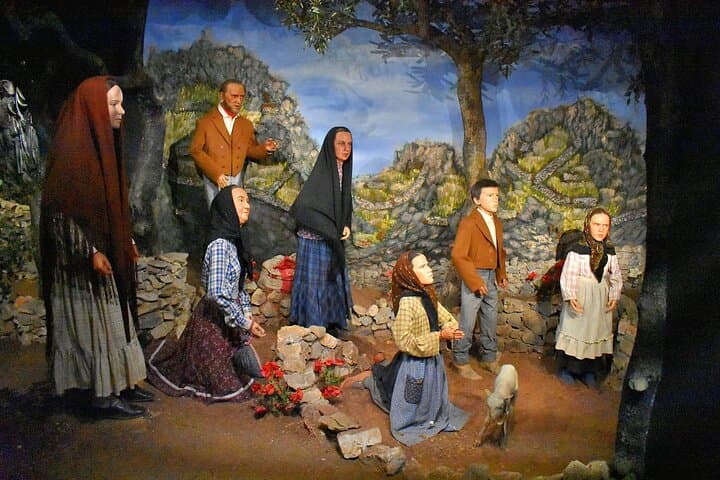
The day moves from the hush of Cova da Iria—where three shepherd children reported visions in 1917—to the heavy stone of Alcobaça and the filigreed stonework of Batalha. The Sanctuary’s esplanade gathers pilgrim groups, rosaries and candles; Valinhos and the Chapel of the Apparitions sit nearby, small and unobtrusive reminders of local devotion.
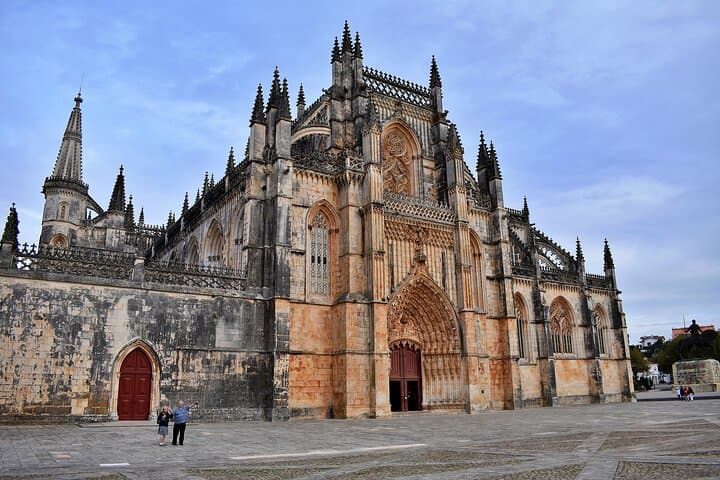
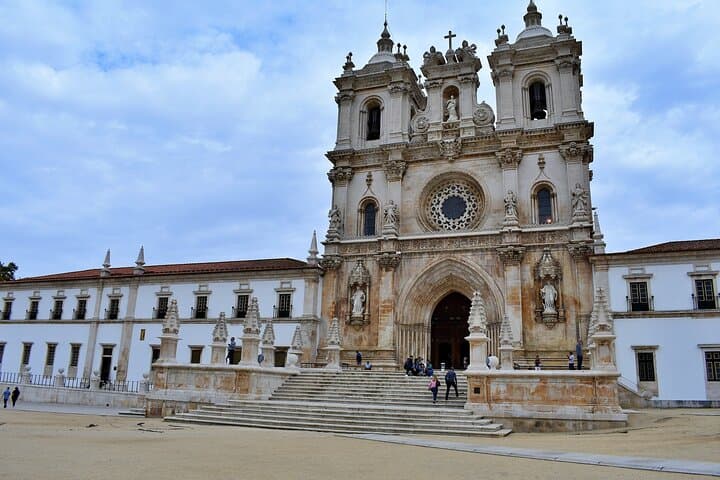
Alcobaça Monastery (12th century) reveals the practical routines of Cistercian life: refectory, dormitory and the famously emotional tombs of Pedro and Inês. Batalha, raised after the 1385 victory at Aljubarrota, displays late Gothic experimentation—unfinished chapels and carved pinnacles that catch a light like folded paper.
Geology is subtle here: limestone and marl shaped by Atlantic weather, with terraced farmland and hedgerows that channel winds and light. Culture folds religion, royal history and rural traditions into a tight local identity.
Practical guidance: this is an easy, full-day circuit—expect about eight hours including driving and three museum/monastery stops. Wear comfortable walking shoes; modest clothing is required inside churches. Bring a refillable water bottle, a light rain jacket in shoulder seasons, and allow time for queues at monuments. The tour typically picks up in the Coimbra area; check meeting details and bring a charged camera—stonework and cloisters reward careful framing.
easy.
8 hours.
Suitable for most fitness levels; involves light walking, stairs in monasteries and periods of standing.
Yes—entrance fees to Alcobaça Monastery, Batalha Monastery and the Wax Museum are included with this tour.
The tour runs about eight hours and offers pickup/transport within the Coimbra area; check your booking confirmation for exact pickup details.
The route is family-friendly in open areas and some flat parts accept strollers, but monasteries include steps and narrow passages—not ideal for guests with significant mobility issues.
Coffee or tea is included; bring snacks if you prefer more substantial food between stops, and plan for a café break in one of the towns visited.
Fátima became an international pilgrimage site after reported apparitions in 1917; Batalha was commissioned to celebrate the 1385 Portuguese victory at Aljubarrota, and Alcobaça was a major Cistercian foundation in the 12th century.
High visitor numbers require careful conservation; follow marked paths, avoid touching delicate stonework and support local sites by using official entrances and services.
Aventuras Forte(s) - Turismo de Natureza operates guided outdoor trips and adventures with an emphasis on safety, stewardship, and memorable experiences.
You arrive on a cool morning as the road flattens into the plain north of Coimbra, olive groves sliding past the windows while the towers of the Sanctuary of Fátima loom ahead like a place that keeps its own quiet calendar.
You arrive on a cool morning as the road flattens into the plain north of Coimbra, olive groves sliding past the windows while the towers of the Sanctuary of Fátima loom ahead like a place that keeps its own quiet calendar.
The day moves from the hush of Cova da Iria—where three shepherd children reported visions in 1917—to the heavy stone of Alcobaça and the filigreed stonework of Batalha. The Sanctuary’s esplanade gathers pilgrim groups, rosaries and candles; Valinhos and the Chapel of the Apparitions sit nearby, small and unobtrusive reminders of local devotion.
Alcobaça Monastery (12th century) reveals the practical routines of Cistercian life: refectory, dormitory and the famously emotional tombs of Pedro and Inês. Batalha, raised after the 1385 victory at Aljubarrota, displays late Gothic experimentation—unfinished chapels and carved pinnacles that catch a light like folded paper.
Geology is subtle here: limestone and marl shaped by Atlantic weather, with terraced farmland and hedgerows that channel winds and light. Culture folds religion, royal history and rural traditions into a tight local identity.
Practical guidance: this is an easy, full-day circuit—expect about eight hours including driving and three museum/monastery stops. Wear comfortable walking shoes; modest clothing is required inside churches. Bring a refillable water bottle, a light rain jacket in shoulder seasons, and allow time for queues at monuments. The tour typically picks up in the Coimbra area; check meeting details and bring a charged camera—stonework and cloisters reward careful framing.