THE ADVENTURE COLLECTIVE® · Independent discovery and booking for outdoor travel

A full‑day escape from Marrakech to Essaouira that pairs a two‑and‑a‑half hour scenic drive with medina streets, coastal ramparts and reliable Atlantic winds for surfing and windsurfing. Practical tips for timing, gear and local customs to make the most of the day.
A full‑day escape from Marrakech to Essaouira that pairs a two‑and‑a‑half hour scenic drive with medina streets, coastal ramparts and reliable Atlantic winds for surfing and windsurfing. Practical tips for timing, gear and local customs to make the most of the day.
You step off the air‑conditioned van onto a strip of Atlantic light; the wind meets you first, lifting the scent of salt and grilled fish and daring you to walk the ramparts. The two-and-a-half hour drive from Marrakech crosses ochre plains dotted with low argan trees where goats clamber like parkour artists among the branches.
Verified experiences and guided adventures in the surrounding area.
Operated by VTCGO Tourist transport company in Morocco · Essaouira, Marrakech-Safi
You step off the air‑conditioned van onto a strip of Atlantic light; the wind meets you first, lifting the scent of salt and grilled fish and daring you to walk the ramparts. The two-and-a-half hour drive from Marrakech crosses ochre plains dotted with low argan trees where goats clamber like parkour artists among the branches.
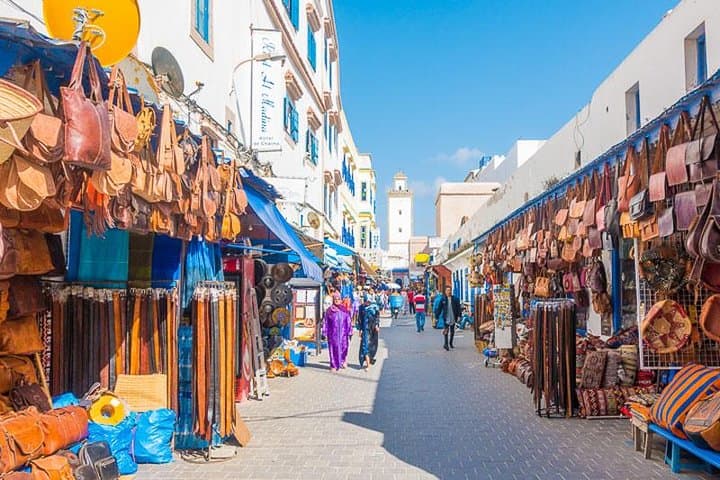
Essaouira’s compact medina and seafront fortifications reflect layers of history — a fortified Portuguese trading post reworked by Moroccan builders in the 18th century. Whitewashed houses, cobalt shutters and cedar inlay workshops line narrow alleys while the fishing port keeps a practical rhythm: boats hauled, nets mended, fish grilled fresh. Geologically the coastline is exposed Atlantic shelf with sand spits and steady onshore winds that make the bay a reliable venue for windsurfing and beginner surfing.
Culturally, Essaouira mixes Amazigh, Arab and European threads; women’s cooperatives pressing argan oil are an accessible entry to local enterprise and conservation. Expect gulls and cormorants around the port and the odd argan‑tree goat on the road out of town.
Practical guidance: this is a full‑day outing—plan for roughly ten hours from pickup to return. Wear windproof layers and closed shoes for the ramparts and uneven medina stones. Bring cash for small purchases and a sun hat; tides and wind influence surf conditions, so book lessons locally if you want to get on the water. If you prefer a quieter visit, arrive early in town for the market before tour buses pull in. The excursion suits most fitness levels and offers a straightforward mix of sightseeing, culture and optional ocean sports.
easy.
10 hours.
Suitable for most travelers with the ability to walk on uneven cobblestones and climb stairs; minimal exertion required.
Expect about 2.5 to 3 hours each way depending on traffic and stops; the tour is typically a full 10‑hour day including time in town.
Yes — Essaouira has several local schools that offer beginner lessons and rental gear; conditions are often suitable for learners, though winds vary by season.
Yes — many seaside restaurants and medina eateries can accommodate common dietary needs; mention restrictions when booking or to your server.
Partial accessibility: transportation may be wheelchair accessible and some seafront areas are easier to navigate, but medina alleys and ramparts have stairs and cobbles that limit access.
Essaouira was fortified in the 18th century with Portuguese and later Moroccan modifications, becoming an important Atlantic trading port with distinct military architecture like La Sqala.
Argan forests around Essaouira are protected and many local cooperatives support sustainable harvesting and female-led enterprises to preserve the species and local economy.
VTCGO Tourist transport company in Morocco operates guided outdoor trips and adventures with an emphasis on safety, stewardship, and memorable experiences.
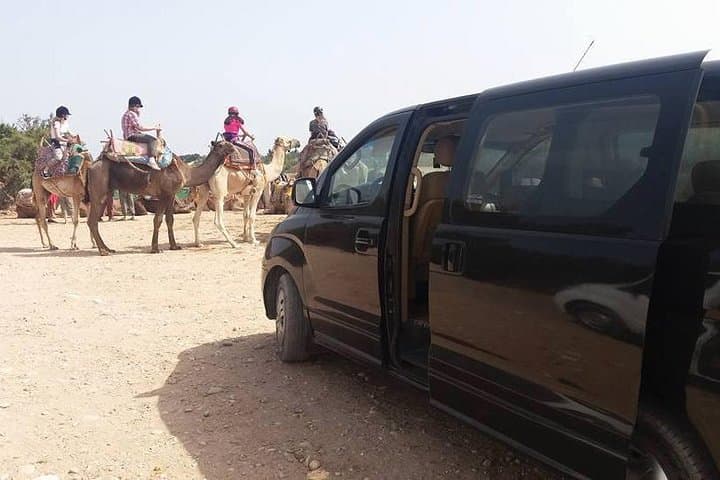
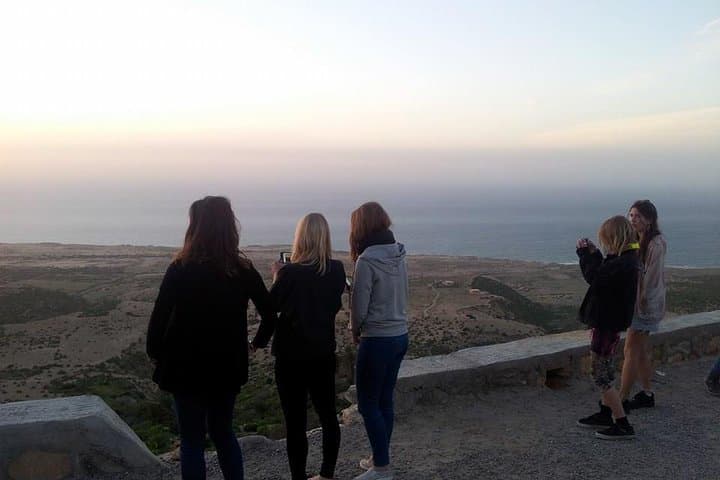
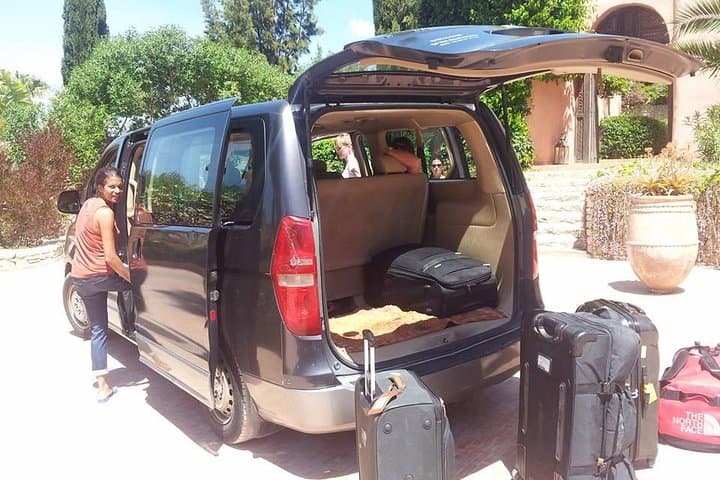
You step off the air‑conditioned van onto a strip of Atlantic light; the wind meets you first, lifting the scent of salt and grilled fish and daring you to walk the ramparts. The two-and-a-half hour drive from Marrakech crosses ochre plains dotted with low argan trees where goats clamber like parkour artists among the branches.
You step off the air‑conditioned van onto a strip of Atlantic light; the wind meets you first, lifting the scent of salt and grilled fish and daring you to walk the ramparts. The two-and-a-half hour drive from Marrakech crosses ochre plains dotted with low argan trees where goats clamber like parkour artists among the branches.
Essaouira’s compact medina and seafront fortifications reflect layers of history — a fortified Portuguese trading post reworked by Moroccan builders in the 18th century. Whitewashed houses, cobalt shutters and cedar inlay workshops line narrow alleys while the fishing port keeps a practical rhythm: boats hauled, nets mended, fish grilled fresh. Geologically the coastline is exposed Atlantic shelf with sand spits and steady onshore winds that make the bay a reliable venue for windsurfing and beginner surfing.
Culturally, Essaouira mixes Amazigh, Arab and European threads; women’s cooperatives pressing argan oil are an accessible entry to local enterprise and conservation. Expect gulls and cormorants around the port and the odd argan‑tree goat on the road out of town.
Practical guidance: this is a full‑day outing—plan for roughly ten hours from pickup to return. Wear windproof layers and closed shoes for the ramparts and uneven medina stones. Bring cash for small purchases and a sun hat; tides and wind influence surf conditions, so book lessons locally if you want to get on the water. If you prefer a quieter visit, arrive early in town for the market before tour buses pull in. The excursion suits most fitness levels and offers a straightforward mix of sightseeing, culture and optional ocean sports.