THE ADVENTURE COLLECTIVE® · Independent discovery and booking for outdoor travel

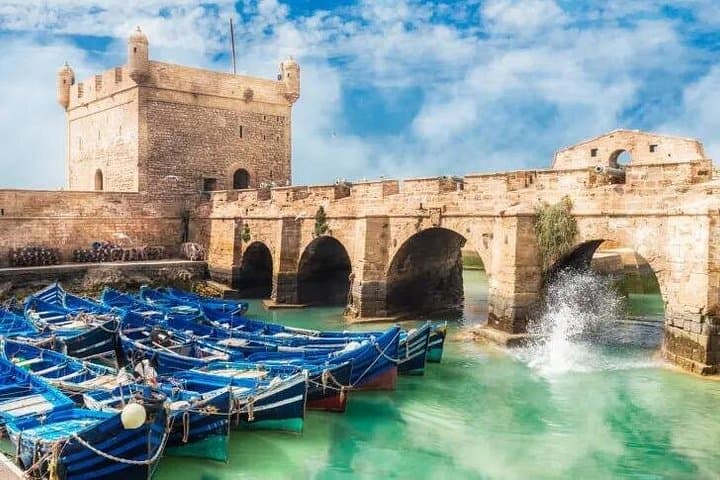
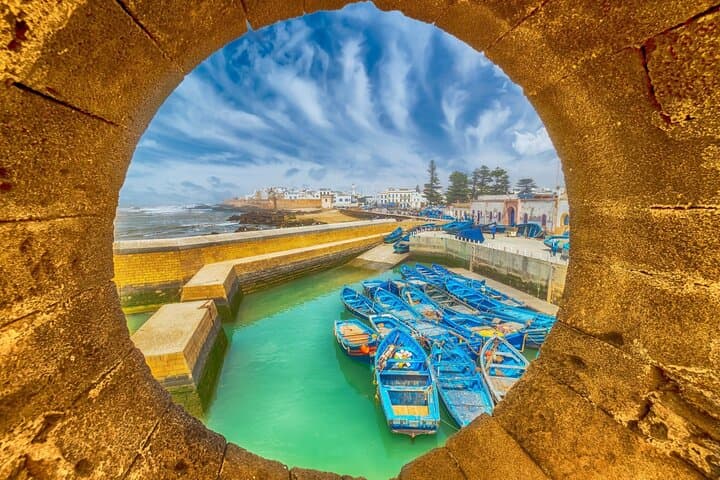
Cross argan groves and Haouz plains on a full‑day transfer from Marrakech to Essaouira. Explore the UNESCO medina, watch fishermen at the port, and stroll the Skala de la Kasbah with time left for beachside seafood.
Cross argan groves and Haouz plains on a full‑day transfer from Marrakech to Essaouira. Explore the UNESCO medina, watch fishermen at the port, and stroll the Skala de la Kasbah with time left for beachside seafood.
The day begins on the road out of Marrakech, windows full of Haouz plains and low hills dotted with argan trees; goats sometimes perch in the branches like unlikely acrobats. As the van rolls west, the air changes — drier and then salted — and the ramparts of Essaouira appear, white-washed walls punctuated by cannon embrasures that still face the Atlantic.
Verified experiences and guided adventures in the surrounding area.
Operated by Direct Morocco Heart · Essaouira, Marrakech-Safi
The day begins on the road out of Marrakech, windows full of Haouz plains and low hills dotted with argan trees; goats sometimes perch in the branches like unlikely acrobats. As the van rolls west, the air changes — drier and then salted — and the ramparts of Essaouira appear, white-washed walls punctuated by cannon embrasures that still face the Atlantic.
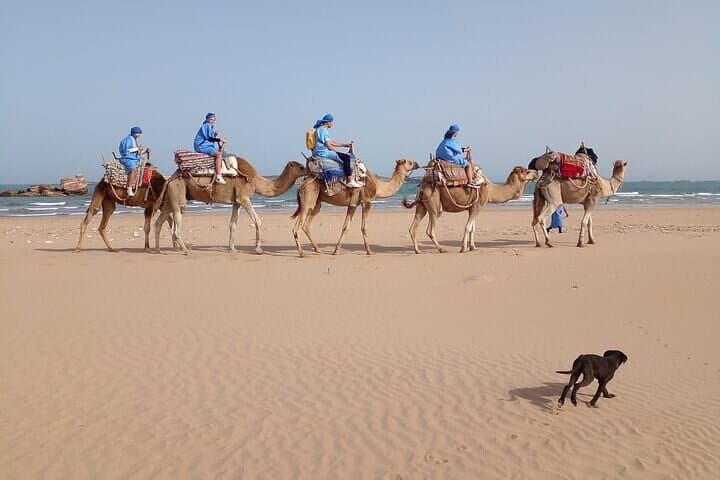
Essaouira (formerly Mogador) wears its history visibly: 18th‑century ramparts built under Sultan Sidi Mohammed, traces of Portuguese occupation, and a medina protected as a UNESCO World Heritage site. Geology here is coastal sandstone and wind‑scoured dunes; longshore currents shaped the wide beach and the low cliffs where fishermen haul in bluefish and sardines. Culture is tactile — woodcarving in the souks, the scent of spices, and women's argan cooperatives that turn a native drought‑tolerant tree into oil and income.
Practical guidance is straightforward. Expect cobbled streets and sandy beach stretches — slip‑resistant walking shoes are useful. The full‑day itinerary is 10–12 hours with a mix of guided stops and free time: an argan cooperative visit, time in the medina, a walk along the Skala de la Kasbah, and a pause at the fishing port and beach. Bring sun protection, cash for market purchases, and a small backpack for water and layers; wind can be brisk on the promenade.
Timing your visit for morning or late afternoon avoids the strongest sun and gives better light for photos at the ramparts. For a relaxed day, plan on tasting fresh seafood at the port and leaving room to browse wooden ateliers and small galleries before the drive back to Marrakech.
easy.
10–12 hours.
Suitable for most fitness levels; requires mobility for walking on cobbles and some stairs.
Driving time is about 2.5–3 hours one way depending on traffic and stops en route, making the full excursion roughly 10–12 hours.
Lunch is not typically included; the itinerary allows time to eat at the fishing port or medina eateries where fresh seafood is common.
Yes — cooperatives sell produced argan oil and cosmetics; buying directly supports local women's groups but bring cash for small vendors.
Parts of the medina have cobblestones and narrow alleys which can be challenging for wheelchairs or large strollers, though some central areas and the port are more accessible.
Essaouira’s medina was redesigned in the 18th century under Sultan Sidi Mohammed and fortified to control maritime trade; earlier Portuguese occupation left visible coastal forts.
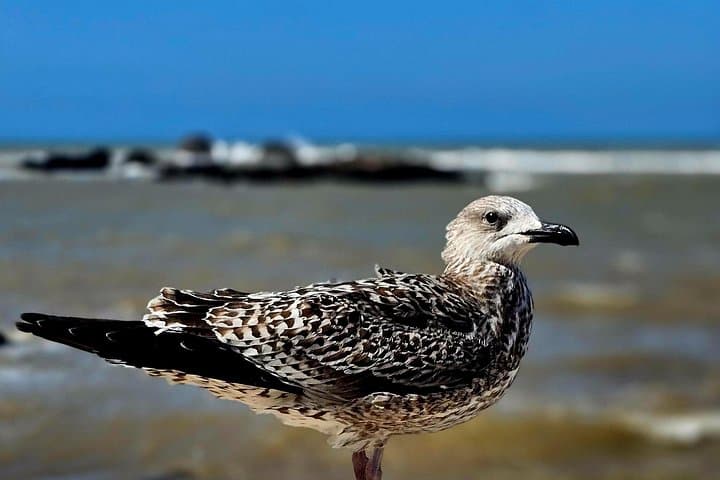
Argan forests are protected and argan cooperatives support sustainable harvests; avoid trampling dunes and follow local guidance to protect shorebird habitats.
Direct Morocco Heart operates guided outdoor trips and adventures with an emphasis on safety, stewardship, and memorable experiences.
The day begins on the road out of Marrakech, windows full of Haouz plains and low hills dotted with argan trees; goats sometimes perch in the branches like unlikely acrobats. As the van rolls west, the air changes — drier and then salted — and the ramparts of Essaouira appear, white-washed walls punctuated by cannon embrasures that still face the Atlantic.
The day begins on the road out of Marrakech, windows full of Haouz plains and low hills dotted with argan trees; goats sometimes perch in the branches like unlikely acrobats. As the van rolls west, the air changes — drier and then salted — and the ramparts of Essaouira appear, white-washed walls punctuated by cannon embrasures that still face the Atlantic.
Essaouira (formerly Mogador) wears its history visibly: 18th‑century ramparts built under Sultan Sidi Mohammed, traces of Portuguese occupation, and a medina protected as a UNESCO World Heritage site. Geology here is coastal sandstone and wind‑scoured dunes; longshore currents shaped the wide beach and the low cliffs where fishermen haul in bluefish and sardines. Culture is tactile — woodcarving in the souks, the scent of spices, and women's argan cooperatives that turn a native drought‑tolerant tree into oil and income.
Practical guidance is straightforward. Expect cobbled streets and sandy beach stretches — slip‑resistant walking shoes are useful. The full‑day itinerary is 10–12 hours with a mix of guided stops and free time: an argan cooperative visit, time in the medina, a walk along the Skala de la Kasbah, and a pause at the fishing port and beach. Bring sun protection, cash for market purchases, and a small backpack for water and layers; wind can be brisk on the promenade.
Timing your visit for morning or late afternoon avoids the strongest sun and gives better light for photos at the ramparts. For a relaxed day, plan on tasting fresh seafood at the port and leaving room to browse wooden ateliers and small galleries before the drive back to Marrakech.