THE ADVENTURE COLLECTIVE® · Independent discovery and booking for outdoor travel

Escape Marrakech for a day-long drive to Essaouira’s breezy Atlantic port—visit an argan cooperative, stroll the fortified medina, and sample the harbour’s grilled seafood. This practical guide covers what to expect, how to prepare, and the best local experiences to prioritize.
Escape Marrakech for a day-long drive to Essaouira’s breezy Atlantic port—visit an argan cooperative, stroll the fortified medina, and sample the harbour’s grilled seafood. This practical guide covers what to expect, how to prepare, and the best local experiences to prioritize.
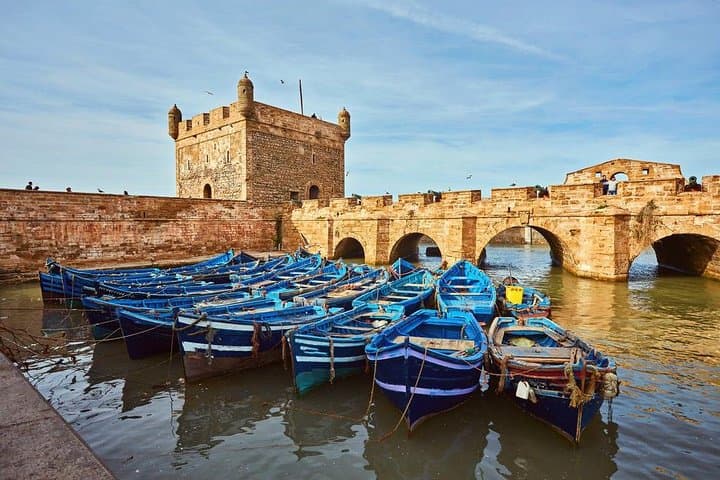
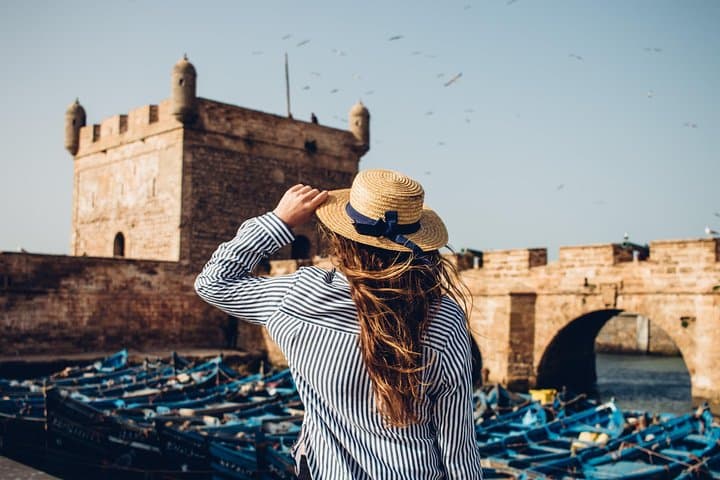
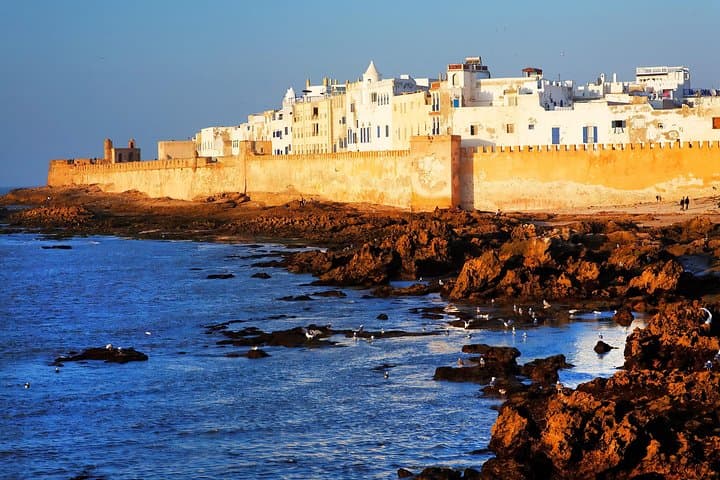
The ride out of Marrakech unfurls through argan groves and scrub-studded hills—two and a half hours of road that feels like a slide toward the Atlantic. Goats clamber in argan trees as the landscape opens, and the ocean arrives first as a cool breath and a line of low, whitewashed ramparts. In Essaouira the air carries salt and wood smoke from the harbour grills; bronze cannon point toward the sea and gulls wheel like punctuation marks.
Verified experiences and guided adventures in the surrounding area.
Operated by TRAKECH TOURS · Essaouira, Marrakesh-Safi
The ride out of Marrakech unfurls through argan groves and scrub-studded hills—two and a half hours of road that feels like a slide toward the Atlantic. Goats clamber in argan trees as the landscape opens, and the ocean arrives first as a cool breath and a line of low, whitewashed ramparts. In Essaouira the air carries salt and wood smoke from the harbour grills; bronze cannon point toward the sea and gulls wheel like punctuation marks.
Essaouira’s compact medina grew from a 16th‑century Portuguese fortification and later became a thriving Moroccan port; the town’s layout and stonework still show those layered influences. Geologically the coast is sandy and wind-swept—rocky promontories guard crescent beaches—and the consistent Atlantic breeze shapes everything from local architecture to wind‑sport culture.
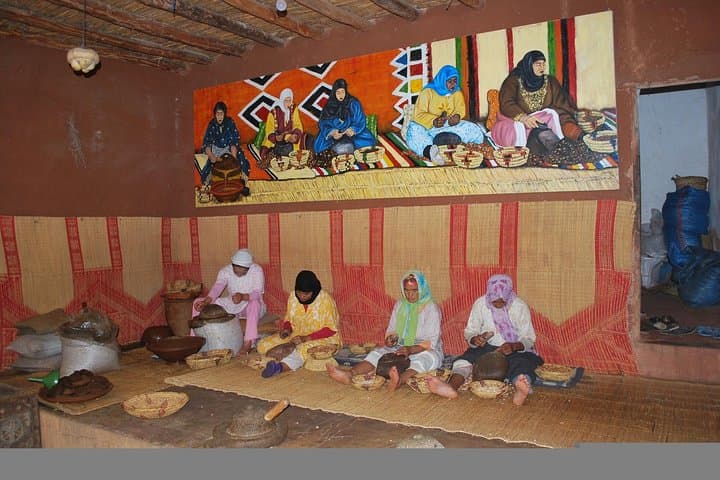
Culturally, the city mixes Berber argan cooperatives run by local women, fishermen selling the day’s catch from wooden boats, and small workshops making thuya wood crafts. Expect a relaxed pace: explore the ramparts, browse fish stalls by the old port, and drop into an argan cooperative to see traditional pressing methods.
Practical guidance: the tour covers roughly 160 km each way (about 2.5 hours per leg) with an overall duration near eight hours. Terrain in town is flat but cobbled—bring supportive shoes and sun protection; a light windproof layer helps when the ocean wind picks up. Carry Moroccan dirhams for market purchases and seafood lunches (lunch is not included). Stay hydrated and factor in drive time if you’re scheduling onward plans. For photographers and day‑trippers alike, Essaouira rewards slow exploration: let the harbour crowds thin, listen for gnawa rhythms, and keep a spare hand for a plate of grilled sardines.
easy.
8 hours.
Suitable for most fitness levels; requires comfortable day‑walking ability for cobbled streets and ramps.
The road distance is about 160 km and the drive typically takes around 2.5 hours each way, depending on traffic and stops.
Lunch is not included; the itinerary provides free time in Essaouira to eat at local seafood restaurants or harbour grills.
Yes—this excursion is family-friendly and notes stroller accessibility and infant seats; confirm any specific needs at booking.
Yes; the tour includes a visit to a women's argan oil cooperative for demonstrations and shopping opportunities.
Essaouira developed around a fortified port constructed in the 16th century under Portuguese influence and later became a key Moroccan trading and fishing hub.
Argan cooperatives support sustainable harvesting of argan nuts; visitors should respect local pickers and avoid buying products in plastic packaging when possible.
TRAKECH TOURS operates guided outdoor trips and adventures with an emphasis on safety, stewardship, and memorable experiences.
The ride out of Marrakech unfurls through argan groves and scrub-studded hills—two and a half hours of road that feels like a slide toward the Atlantic. Goats clamber in argan trees as the landscape opens, and the ocean arrives first as a cool breath and a line of low, whitewashed ramparts. In Essaouira the air carries salt and wood smoke from the harbour grills; bronze cannon point toward the sea and gulls wheel like punctuation marks.
The ride out of Marrakech unfurls through argan groves and scrub-studded hills—two and a half hours of road that feels like a slide toward the Atlantic. Goats clamber in argan trees as the landscape opens, and the ocean arrives first as a cool breath and a line of low, whitewashed ramparts. In Essaouira the air carries salt and wood smoke from the harbour grills; bronze cannon point toward the sea and gulls wheel like punctuation marks.
Essaouira’s compact medina grew from a 16th‑century Portuguese fortification and later became a thriving Moroccan port; the town’s layout and stonework still show those layered influences. Geologically the coast is sandy and wind-swept—rocky promontories guard crescent beaches—and the consistent Atlantic breeze shapes everything from local architecture to wind‑sport culture.
Culturally, the city mixes Berber argan cooperatives run by local women, fishermen selling the day’s catch from wooden boats, and small workshops making thuya wood crafts. Expect a relaxed pace: explore the ramparts, browse fish stalls by the old port, and drop into an argan cooperative to see traditional pressing methods.
Practical guidance: the tour covers roughly 160 km each way (about 2.5 hours per leg) with an overall duration near eight hours. Terrain in town is flat but cobbled—bring supportive shoes and sun protection; a light windproof layer helps when the ocean wind picks up. Carry Moroccan dirhams for market purchases and seafood lunches (lunch is not included). Stay hydrated and factor in drive time if you’re scheduling onward plans. For photographers and day‑trippers alike, Essaouira rewards slow exploration: let the harbour crowds thin, listen for gnawa rhythms, and keep a spare hand for a plate of grilled sardines.