
Day Trip to El Fayoum from Cairo: Wadi El Rayan, Wadi Hitan & Medinet Madi
Leave Cairo for a day among lakes, waterfalls and ancient whale fossils—explore Wadi El Rayan, UNESCO-listed Wadi Hitan, and the Middle Kingdom ruins at Medinet Madi on a private full-day tour.
An Adventure In Fayoum.
Leave Cairo for a day among lakes, waterfalls and ancient whale fossils—explore Wadi El Rayan, UNESCO-listed Wadi Hitan, and the Middle Kingdom ruins at Medinet Madi on a private full-day tour.
Read the full experience
You roll out of Cairo at dawn and the Nile’s hum loosens into open desert—an hour and a half of highways, scrub, and telephone poles before the landscape dips toward the Fayoum depression. The road opens onto broad, bright salt pans and, eventually, the blue-green ribbon of Wadi El Rayan’s lakes; Egypt’s only waterfalls wait where drainage overflow carved a drop in 1970.
You roll out of Cairo at dawn and the Nile’s hum loosens into open desert—an hour and a half of highways, scrub, and telephone poles before the landscape dips toward the Fayoum depression. The road opens onto broad, bright salt pans and, eventually, the blue-green ribbon of Wadi El Rayan’s lakes; Egypt’s only waterfalls wait where drainage overflow carved a drop in 1970.
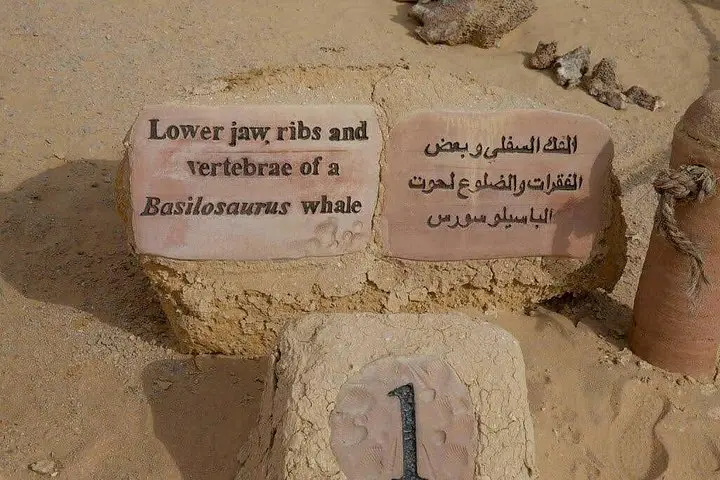
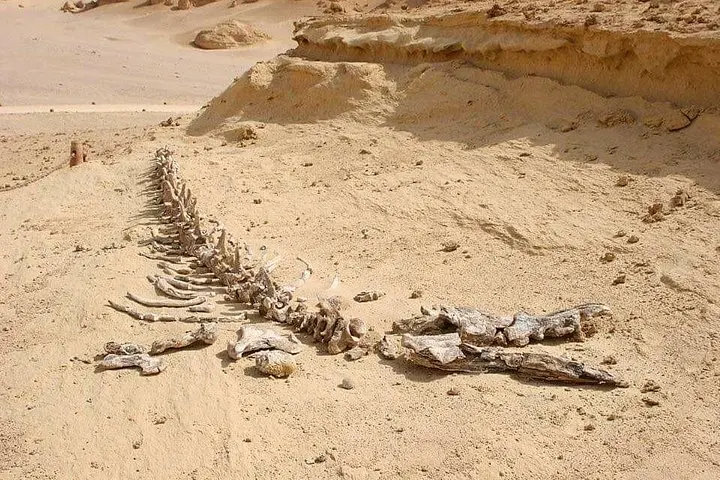
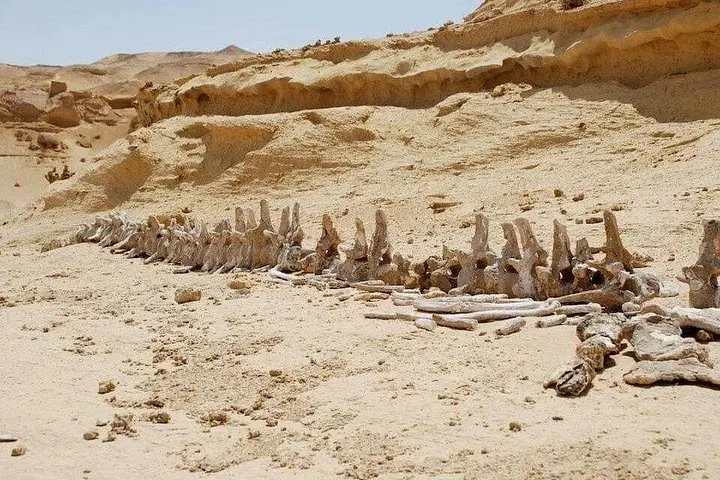
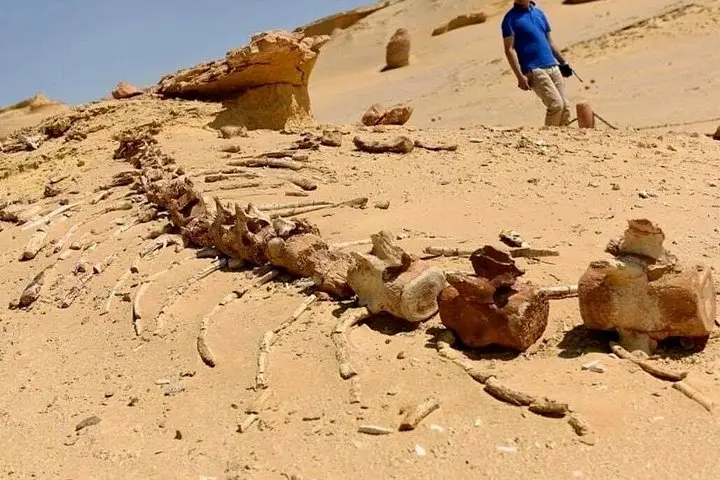
Wadi Hitan (Valley of the Whales) sits within Wadi El Rayan Protected Area and is a UNESCO World Heritage Site for its exceptional fossil record: articulated protocetid whale skeletons and other marine remains that document a shallow sea from roughly 40 million years ago. The geological story is obvious underfoot—layers of limestone, fossil beds, and flat desert plains that once held ocean water. Medinet Madi brings a human chapter: temple ruins and inscriptions from the Middle Kingdom era linked to pharaohs such as Amenemhat III and Amenemhat IV, showing how the Fayoum’s fertile basin has supported settlement for millennia.
Practically, this is a full-day private tour (about 12 hours) from Cairo with hotel pickup, 4x4 transfers across reserve tracks, and included entry fees and lunch. Expect several short walks on uneven, sandy or stony ground and open, unshaded exposure. Carry plenty of water, wear sun protection and sturdy shoes, and plan for temperature swings—hot by midday, cool in the early morning and late afternoon. The route is wheelchair-accessible in parts, but terrain at fossil sites is rough. Start early to beat heat and soft light for photos; the payoff is a rare mix of desert geology, paleontology, and ancient Egyptian ruins within a single day.
Frequently asked questions
The tour covers about 95 km from Cairo to the Fayoum area; expect 1.5–2 hours of driving each way depending on traffic.
Yes — this tour’s itinerary notes that entrance fees and a late lunch at a local restaurant are included, along with bottled water and taxes/service charges.
Yes—families can visit, but fossil areas involve uneven ground and limited shade; supervise children closely and bring sun protection.
The operator lists wheelchair-accessible transport and areas, but some fossil sites have rough terrain—check specific accessibility needs with the tour provider before booking.
About This Experience
This is Egypt Tours operates guided outdoor trips and adventures with an emphasis on safety, stewardship, and memorable experiences.
Adventure tips
Recommended gear
- Sun hat & sunglasses: Protects against intense sun across the open desert and lake shore.
- Reusable water bottle (1–2L): Keeps you hydrated during long outdoor stretches—refill from provided bottled water if needed.
- Sturdy walking shoes: Useful for sandy, rocky trails and exploring fossil beds.
- Light windlayer or fleece: Desert temperatures can drop in the morning and evening; a layer adds comfort.
Photos of the experience
Related adventures & guides
Read the full experience
You roll out of Cairo at dawn and the Nile’s hum loosens into open desert—an hour and a half of highways, scrub, and telephone poles before the landscape dips toward the Fayoum depression. The road opens onto broad, bright salt pans and, eventually, the blue-green ribbon of Wadi El Rayan’s lakes; Egypt’s only waterfalls wait where drainage overflow carved a drop in 1970.
You roll out of Cairo at dawn and the Nile’s hum loosens into open desert—an hour and a half of highways, scrub, and telephone poles before the landscape dips toward the Fayoum depression. The road opens onto broad, bright salt pans and, eventually, the blue-green ribbon of Wadi El Rayan’s lakes; Egypt’s only waterfalls wait where drainage overflow carved a drop in 1970.
Wadi Hitan (Valley of the Whales) sits within Wadi El Rayan Protected Area and is a UNESCO World Heritage Site for its exceptional fossil record: articulated protocetid whale skeletons and other marine remains that document a shallow sea from roughly 40 million years ago. The geological story is obvious underfoot—layers of limestone, fossil beds, and flat desert plains that once held ocean water. Medinet Madi brings a human chapter: temple ruins and inscriptions from the Middle Kingdom era linked to pharaohs such as Amenemhat III and Amenemhat IV, showing how the Fayoum’s fertile basin has supported settlement for millennia.
Practically, this is a full-day private tour (about 12 hours) from Cairo with hotel pickup, 4x4 transfers across reserve tracks, and included entry fees and lunch. Expect several short walks on uneven, sandy or stony ground and open, unshaded exposure. Carry plenty of water, wear sun protection and sturdy shoes, and plan for temperature swings—hot by midday, cool in the early morning and late afternoon. The route is wheelchair-accessible in parts, but terrain at fossil sites is rough. Start early to beat heat and soft light for photos; the payoff is a rare mix of desert geology, paleontology, and ancient Egyptian ruins within a single day.
Make a day of it nearby.
Verified experiences and guided adventures in the surrounding area.