THE ADVENTURE COLLECTIVE® · Independent discovery and booking for outdoor travel

Take a full-day private tour from Luxor to two of Upper Egypt’s most evocative temple complexes. Explore Abydos’s early royal cult architecture and Dendera’s Ptolemaic reliefs with an Egyptologist guide.
Take a full-day private tour from Luxor to two of Upper Egypt’s most evocative temple complexes. Explore Abydos’s early royal cult architecture and Dendera’s Ptolemaic reliefs with an Egyptologist guide.
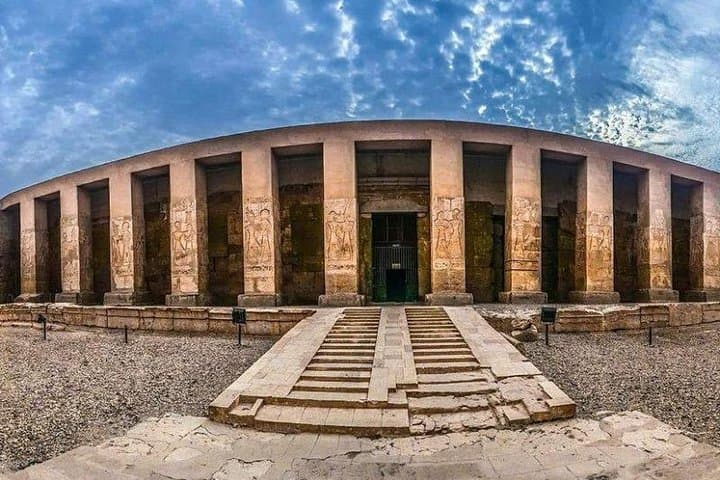
You leave Luxor before dawn, the Nile sliding past the bus window as villages wake and date palms cast long shadows. The road narrows between desert and river; dust and history hang in the same air. By midmorning the carved reliefs of Abydos rise from the limestone like a script written into rock—Seti I’s scenes still crisp where wind and time have spared them.
Verified experiences and guided adventures in the surrounding area.
Operated by Tui Egypt · Luxor, Luxor Governorate
You leave Luxor before dawn, the Nile sliding past the bus window as villages wake and date palms cast long shadows. The road narrows between desert and river; dust and history hang in the same air. By midmorning the carved reliefs of Abydos rise from the limestone like a script written into rock—Seti I’s scenes still crisp where wind and time have spared them.
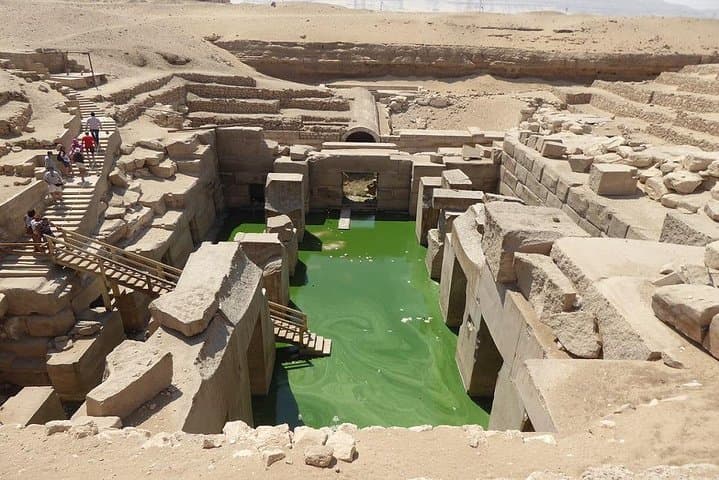
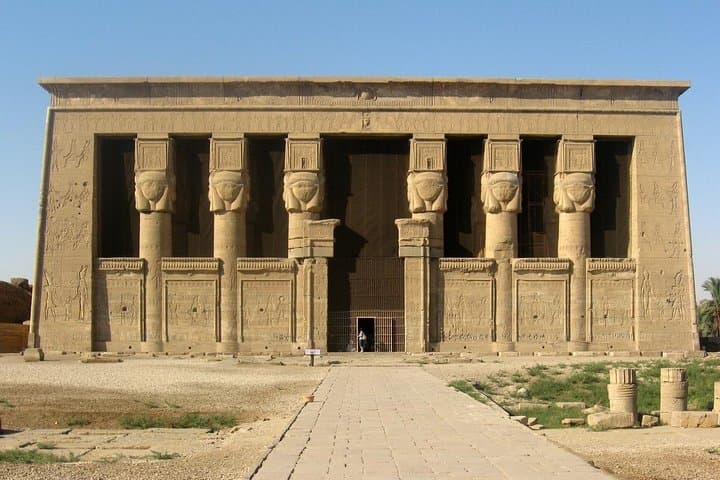
Abydos and Dendera occupy different chapters of Egyptian religious life. Abydos is an early cult center of Osiris and the site of Seti I’s mortuary temple, notable for its layered limestone construction and the nearby Osireion. Dendera, dedicated to Hathor and largely Ptolemaic in date, preserves high-relief floral capitals and an intact astronomical ceiling. Geologically the sites sit on the Nile’s floodplain edge; builders quarried local limestone and raised temples on platforms to control seasonal sand and water.
Culturally, these temples are pilgrimage sites: processional ways, votive stelae and reused blocks tell stories of ritual continuity and political power across millennia. Local communities around the temples are small and oriented around agriculture and tourism—expect modest markets and friendly vendors.
Practical guidance: bring sun protection, wear closed-toe walking shoes for uneven stone, and plan for long transfers—round-trip from Luxor can be a full day. Restrooms and shade are limited; bottled water and small change for entry or donations help. Follow your Egyptologist guide for context and to navigate site rules; photography is usually allowed but restricted in some chambers. Time your visit for morning light at Abydos and later soft light at Dendera for the best relief viewing.
moderate.
10–12 hours.
Suitable for anyone who can manage a full day of walking and short site climbs; basic endurance recommended for transfers and standing during tours.
Expect roughly 1.5–2.5 hours each way depending on traffic and stops; a combined visit with transfers typically fills a full day.
Fees are often paid on site unless stated otherwise by the operator; verify with your booking for ticket inclusions and any museum access.
Yes—both sites are relatively accessible but include uneven surfaces and some steps; private tours can be paced to accommodate slower mobility.
Photography is generally permitted at the outer reliefs and courtyards; some inner chambers or special exhibits may restrict flash or tripods—follow signage and your guide’s instructions.
Abydos was a major cult center for Osiris with royal dedicatory reliefs by Seti I and Ramses II; Dendera’s surviving Ptolemaic architecture preserves late Pharaonic ritual art dedicated to Hathor.
Both sites face erosion from wind and tourism pressures; visitors can help by staying on paths, avoiding touching reliefs, and following guide instructions to minimize impact.
Tui Egypt operates guided outdoor trips and adventures with an emphasis on safety, stewardship, and memorable experiences.
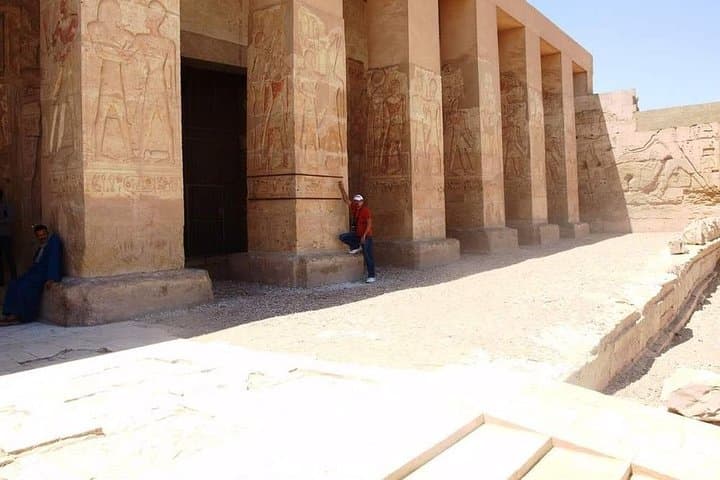
You leave Luxor before dawn, the Nile sliding past the bus window as villages wake and date palms cast long shadows. The road narrows between desert and river; dust and history hang in the same air. By midmorning the carved reliefs of Abydos rise from the limestone like a script written into rock—Seti I’s scenes still crisp where wind and time have spared them.
You leave Luxor before dawn, the Nile sliding past the bus window as villages wake and date palms cast long shadows. The road narrows between desert and river; dust and history hang in the same air. By midmorning the carved reliefs of Abydos rise from the limestone like a script written into rock—Seti I’s scenes still crisp where wind and time have spared them.
Abydos and Dendera occupy different chapters of Egyptian religious life. Abydos is an early cult center of Osiris and the site of Seti I’s mortuary temple, notable for its layered limestone construction and the nearby Osireion. Dendera, dedicated to Hathor and largely Ptolemaic in date, preserves high-relief floral capitals and an intact astronomical ceiling. Geologically the sites sit on the Nile’s floodplain edge; builders quarried local limestone and raised temples on platforms to control seasonal sand and water.
Culturally, these temples are pilgrimage sites: processional ways, votive stelae and reused blocks tell stories of ritual continuity and political power across millennia. Local communities around the temples are small and oriented around agriculture and tourism—expect modest markets and friendly vendors.
Practical guidance: bring sun protection, wear closed-toe walking shoes for uneven stone, and plan for long transfers—round-trip from Luxor can be a full day. Restrooms and shade are limited; bottled water and small change for entry or donations help. Follow your Egyptologist guide for context and to navigate site rules; photography is usually allowed but restricted in some chambers. Time your visit for morning light at Abydos and later soft light at Dendera for the best relief viewing.