THE ADVENTURE COLLECTIVE® · Independent discovery and booking for outdoor travel

Escape Addis for a full-day loop to Debre Libanos, the historic monastery and the Portuguese Bridge, then stand over the Blue Nile Gorge for sweeping canyon views. This accessible tour combines culture, short hikes, and wildlife viewing—ideal for travelers who want a robust day outside the city.
Escape Addis for a full-day loop to Debre Libanos, the historic monastery and the Portuguese Bridge, then stand over the Blue Nile Gorge for sweeping canyon views. This accessible tour combines culture, short hikes, and wildlife viewing—ideal for travelers who want a robust day outside the city.
The road north from Addis Ababa climbs out of city dust into open farmland; by mid-morning the air sharpens and the gorge appears—an abrupt seam in the highlands where wind and water have been carving for millennia. At Debre Libanos the monastery perches above a steep valley, its stone buildings facing cliff-edge views while Gelada baboons patrol the grassy slopes like unruly attendants.
Verified experiences and guided adventures in the surrounding area.
Operated by Milan Ethiopia Tours · Debre Libanos, Oromia
The road north from Addis Ababa climbs out of city dust into open farmland; by mid-morning the air sharpens and the gorge appears—an abrupt seam in the highlands where wind and water have been carving for millennia. At Debre Libanos the monastery perches above a steep valley, its stone buildings facing cliff-edge views while Gelada baboons patrol the grassy slopes like unruly attendants.
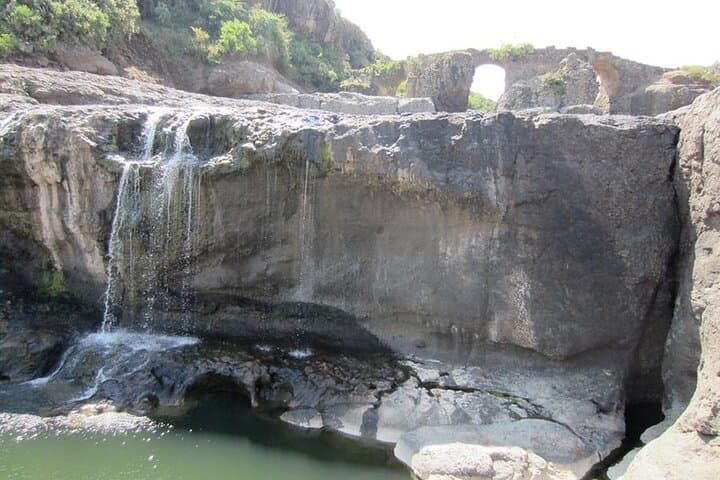
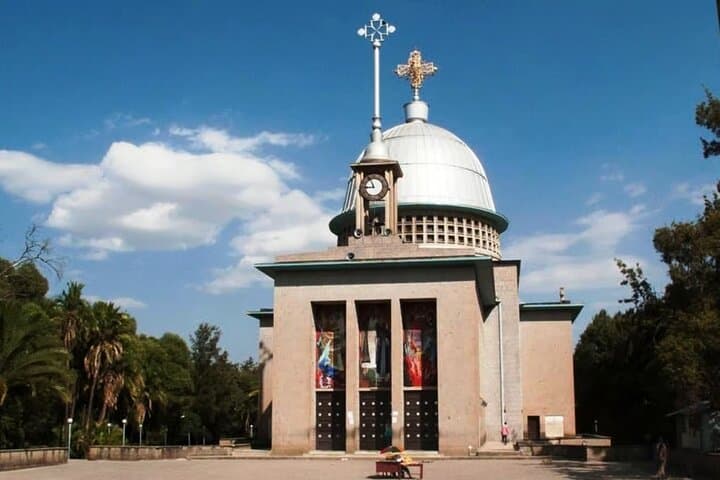
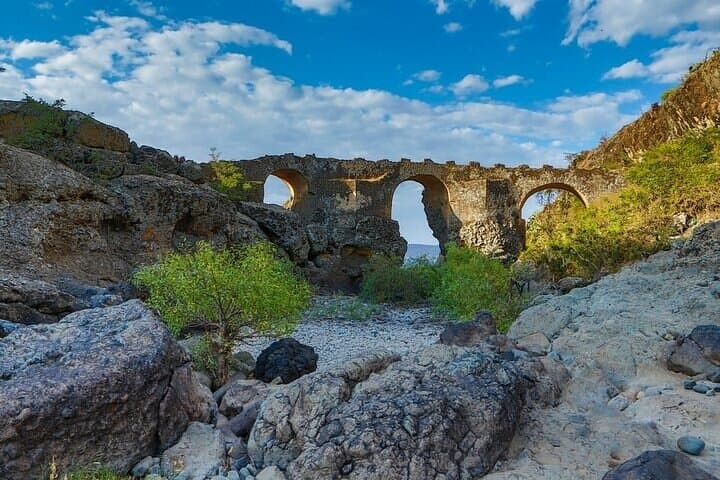
Debre Libanos was founded in the 13th century by Saint Tekle Haymanot and remains an active Ethiopian Orthodox center; the current church dates to the mid-20th century. Geologically the region is part of the Ethiopian Plateau, with volcanic basalts sliced by rivers into deep canyons—features that make the Blue Nile Gorge feel like a compact Grand Canyon. The Portuguese Bridge near the monastery shows colonial-era influences and local engineering adapted to dramatic topography.
On a typical day trip you’ll visit the monastery complex and small museum, walk to the saint’s cave, then move to the bridge for panoramic views and a short, firm-footed stroll to nearby overlooks. Expect dry, dusty tracks and some short uphill sections; wildlife viewing—especially geladas and raptors—can be excellent in the cooler hours.
Practical notes: bring sun protection, refillable water, and comfortable walking shoes with grip. Dress respectfully for a religious site (shoulders and knees covered). Morning departures avoid heat and give the best light for photography. If you want a coffee ceremony or village stop, ask your guide beforehand—timing is tight on an 8-hour loop.
easy.
8 hours.
Light to moderate fitness; able to manage short uphill walks (10–20 minutes) and uneven ground.
Travel time is roughly 1.5–2 hours each way depending on traffic and exact pickup point; plan for an eight-hour round trip including stops.
Key monastery areas and some paths are described as wheelchair accessible, but expect uneven surfaces at external viewpoints and the saint’s cave requires a short uphill walk.
Yes—geladas are commonly seen on surrounding slopes, especially in the morning and late afternoon; sightings are frequent but never guaranteed.
Lunch and bottled water are included; notify your operator of dietary restrictions when booking so local restaurants can accommodate you.
Debre Libanos was established in the 13th century by Saint Tekle Haymanot and remains a central site for Ethiopian Orthodox Christianity; the Portuguese-style bridge reflects centuries of local and foreign influences.
Erosion and grazing pressure affect fragile highland slopes; stick to trails, avoid feeding wildlife, and use local guides to support community conservation efforts.
Milan Ethiopia Tours operates guided outdoor trips and adventures with an emphasis on safety, stewardship, and memorable experiences.

The road north from Addis Ababa climbs out of city dust into open farmland; by mid-morning the air sharpens and the gorge appears—an abrupt seam in the highlands where wind and water have been carving for millennia. At Debre Libanos the monastery perches above a steep valley, its stone buildings facing cliff-edge views while Gelada baboons patrol the grassy slopes like unruly attendants.
The road north from Addis Ababa climbs out of city dust into open farmland; by mid-morning the air sharpens and the gorge appears—an abrupt seam in the highlands where wind and water have been carving for millennia. At Debre Libanos the monastery perches above a steep valley, its stone buildings facing cliff-edge views while Gelada baboons patrol the grassy slopes like unruly attendants.
Debre Libanos was founded in the 13th century by Saint Tekle Haymanot and remains an active Ethiopian Orthodox center; the current church dates to the mid-20th century. Geologically the region is part of the Ethiopian Plateau, with volcanic basalts sliced by rivers into deep canyons—features that make the Blue Nile Gorge feel like a compact Grand Canyon. The Portuguese Bridge near the monastery shows colonial-era influences and local engineering adapted to dramatic topography.
On a typical day trip you’ll visit the monastery complex and small museum, walk to the saint’s cave, then move to the bridge for panoramic views and a short, firm-footed stroll to nearby overlooks. Expect dry, dusty tracks and some short uphill sections; wildlife viewing—especially geladas and raptors—can be excellent in the cooler hours.
Practical notes: bring sun protection, refillable water, and comfortable walking shoes with grip. Dress respectfully for a religious site (shoulders and knees covered). Morning departures avoid heat and give the best light for photography. If you want a coffee ceremony or village stop, ask your guide beforehand—timing is tight on an 8-hour loop.