THE ADVENTURE COLLECTIVE® · Independent discovery and booking for outdoor travel

Escape Beijing’s traffic for a day and step into Cuandixia’s Ming-era stone lanes. This private transfer delivers mountain views, preserved courtyard homes, and a two-hour circular walk through living rural history.
Escape Beijing’s traffic for a day and step into Cuandixia’s Ming-era stone lanes. This private transfer delivers mountain views, preserved courtyard homes, and a two-hour circular walk through living rural history.
You arrive as the city thins and the highway gives way to hairpin turns. The car eases into narrow lanes cut into a granite slope; smoke from small kitchens threads through gray-tiled roofs and stone steps climb like woven ropes through the village. That first view — a cluster of Ming-era courtyards clinging to a mountainside — sets the tone: human scale, weathered stone, and a landscape that still moves at a countryside pace.
Verified experiences and guided adventures in the surrounding area.
Operated by Beijing Trips Tour Company · Beijing, Beijing
You arrive as the city thins and the highway gives way to hairpin turns. The car eases into narrow lanes cut into a granite slope; smoke from small kitchens threads through gray-tiled roofs and stone steps climb like woven ropes through the village. That first view — a cluster of Ming-era courtyards clinging to a mountainside — sets the tone: human scale, weathered stone, and a landscape that still moves at a countryside pace.
Cuandixia was founded in the early Ming dynasty and the village preserves roughly 70 courtyard homes and alleyways of packed stone. Geologically the site sits on the undulating western ranges of Beijing municipality, where granite outcrops and thin soil create steep ridgelines and terraced fields. Culturally the village is a living community — many residents welcome visitors into household shops and small family restaurants, offering a direct line to rural Beijing life rather than a staged attraction.
Expect a roughly 2.5-hour drive from central Beijing (traffic dependent) and a circular two-hour walk once you arrive, including steep stone steps and short climbs between courtyards. Wear grippy shoes and layer — temperatures change fast in exposed mountain air. Bring cash for a home-cooked lunch, and allow time to slow down: photograph carved doorways, talk to locals, and walk a short ridge trail beyond the village for quiet outlooks.
Logistics are straightforward on a private transfer: hotel pickup, a local driver, and flexibility to tailor stops. The route is suitable for travelers with moderate fitness and a tolerance for uneven stone paths; accessibility is limited on the older streets. This trip pairs history, low-impact hiking, and a clear slice of rural Beijing life.
moderate.
8–10 hours (including transfers).
Good for travelers with moderate fitness who can handle 1–2 hours of walking over uneven stone steps.
Drive time is roughly 2–2.5 hours each way depending on traffic and your pickup location in Beijing.
This private transfer covers transport and pickup; entrance/admission and meals are typically paid separately unless a guided day-tour option is booked.
No — the village has many stone steps and narrow alleys that limit wheelchair and stroller access; assistance may be required for mobility-impaired visitors.
Yes — small family restaurants and homestays offer traditional countryside meals at your own expense; bring cash as some vendors may not accept cards.
Cuandixia dates to the early Ming dynasty (15th century) and retains many original courtyard homes built by families who settled along trade routes through the western Beijing ranges.
The village is a living community; visitors should minimize impact by staying on paths, avoiding litter, and supporting local businesses rather than purchasing from itinerant vendors.
Beijing Trips Tour Company operates guided outdoor trips and adventures with an emphasis on safety, stewardship, and memorable experiences.
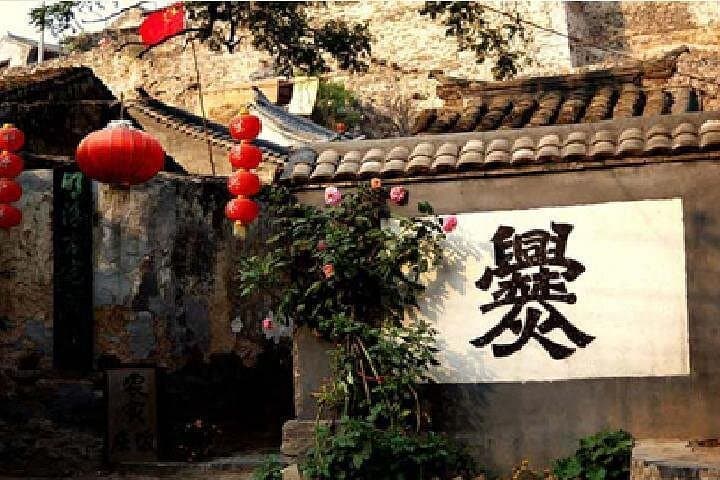
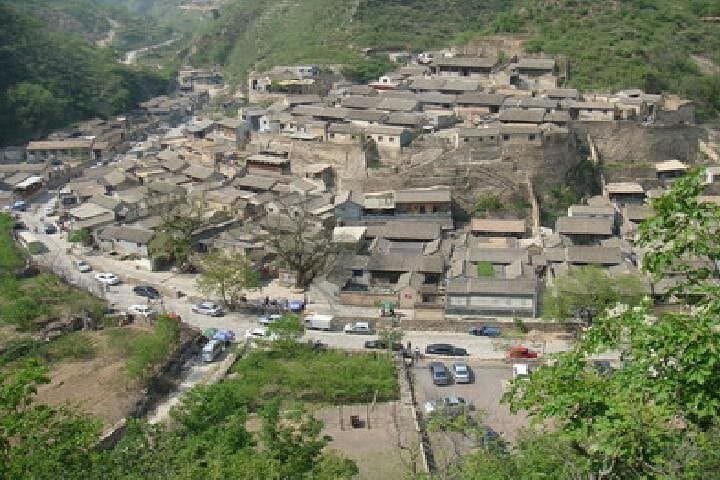
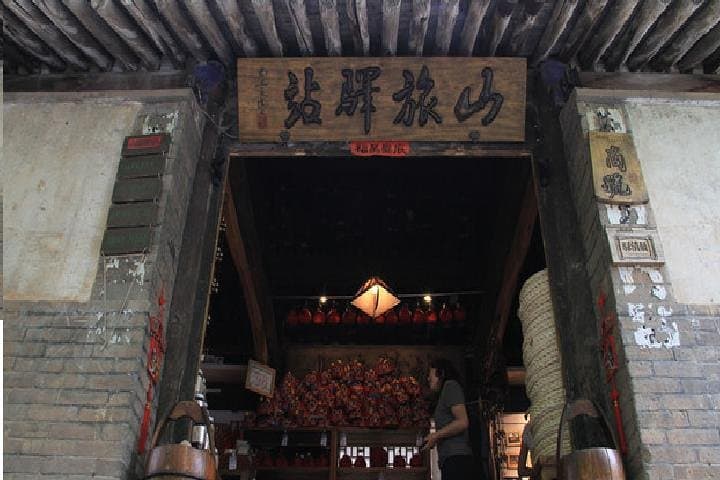
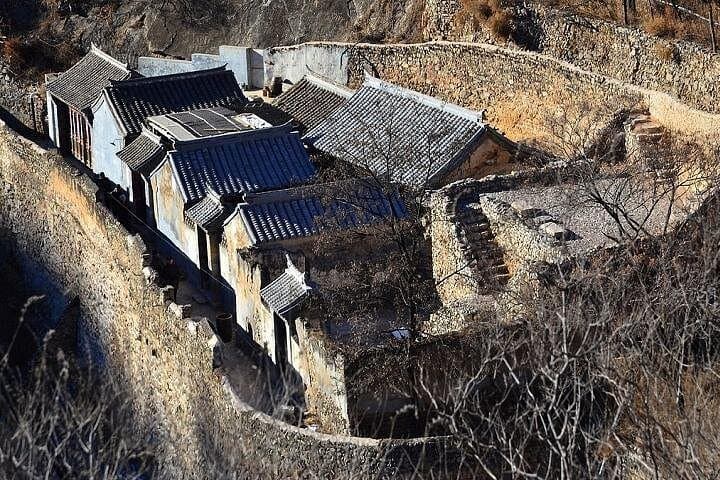
You arrive as the city thins and the highway gives way to hairpin turns. The car eases into narrow lanes cut into a granite slope; smoke from small kitchens threads through gray-tiled roofs and stone steps climb like woven ropes through the village. That first view — a cluster of Ming-era courtyards clinging to a mountainside — sets the tone: human scale, weathered stone, and a landscape that still moves at a countryside pace.
You arrive as the city thins and the highway gives way to hairpin turns. The car eases into narrow lanes cut into a granite slope; smoke from small kitchens threads through gray-tiled roofs and stone steps climb like woven ropes through the village. That first view — a cluster of Ming-era courtyards clinging to a mountainside — sets the tone: human scale, weathered stone, and a landscape that still moves at a countryside pace.
Cuandixia was founded in the early Ming dynasty and the village preserves roughly 70 courtyard homes and alleyways of packed stone. Geologically the site sits on the undulating western ranges of Beijing municipality, where granite outcrops and thin soil create steep ridgelines and terraced fields. Culturally the village is a living community — many residents welcome visitors into household shops and small family restaurants, offering a direct line to rural Beijing life rather than a staged attraction.
Expect a roughly 2.5-hour drive from central Beijing (traffic dependent) and a circular two-hour walk once you arrive, including steep stone steps and short climbs between courtyards. Wear grippy shoes and layer — temperatures change fast in exposed mountain air. Bring cash for a home-cooked lunch, and allow time to slow down: photograph carved doorways, talk to locals, and walk a short ridge trail beyond the village for quiet outlooks.
Logistics are straightforward on a private transfer: hotel pickup, a local driver, and flexibility to tailor stops. The route is suitable for travelers with moderate fitness and a tolerance for uneven stone paths; accessibility is limited on the older streets. This trip pairs history, low-impact hiking, and a clear slice of rural Beijing life.