THE ADVENTURE COLLECTIVE® · Independent discovery and booking for outdoor travel

A full-day drive from Quito takes you into Cotopaxi National Park to stand beneath one of the Andes’ most symmetrical volcanic cones. Expect high-altitude hikes, expansive páramo landscapes, and practical guidance on acclimatizing and gear.
A full-day drive from Quito takes you into Cotopaxi National Park to stand beneath one of the Andes’ most symmetrical volcanic cones. Expect high-altitude hikes, expansive páramo landscapes, and practical guidance on acclimatizing and gear.
You roll out of Quito before sunrise and the city shrinks behind you as the highland road climbs.
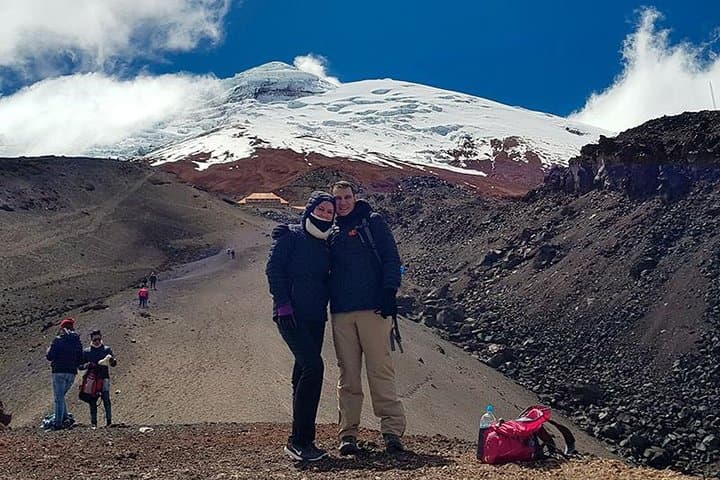
By mid-morning Cotopaxi fills the windshield: a perfect cone capped in snow, its slopes watching the valley below while the páramo grasses ripple in the wind. The air thins; every breath feels like a small negotiation.
Verified experiences and guided adventures in the surrounding area.
Operated by Real Dreams Tour · Quito, Pichincha
You roll out of Quito before sunrise and the city shrinks behind you as the highland road climbs.
By mid-morning Cotopaxi fills the windshield: a perfect cone capped in snow, its slopes watching the valley below while the páramo grasses ripple in the wind. The air thins; every breath feels like a small negotiation.
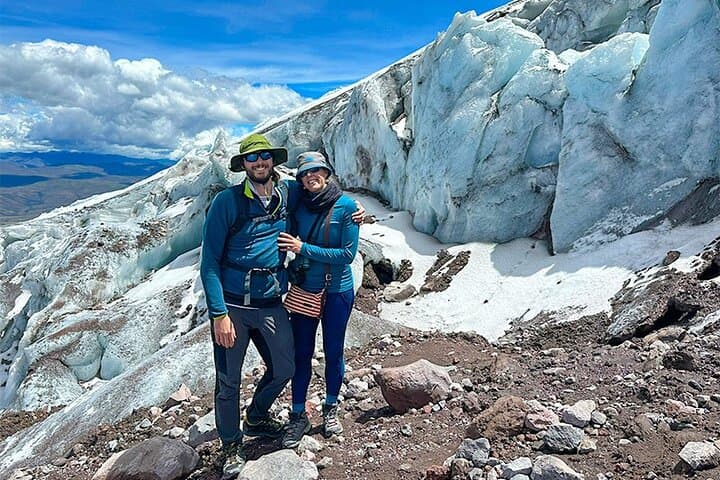
Cotopaxi is a classic stratovolcano rising to about 5,897 meters, the second-highest peak in Ecuador and a focal point of the Avenue of the Volcanoes. Its Quichua name translates to “neck of the moon,” reflecting indigenous connections to the mountain and the fertile volcanic soils that sustained Andean communities for centuries. Geologically active and visually strict in form, Cotopaxi sits with neighbors like Rumiñahui and Sincholagua—each peak framing views that change with cloud and sun.
The tour moves deliberately: a drive to the park, a stop at the parking area near 4,600 m, a short hike toward Refugio Padre Rivas and a walk around Limpiopungo lagoon. Guides share local stories, point out páramo plants adapted to cold and UV, and explain park protections meant to preserve fragile soil and water sources.
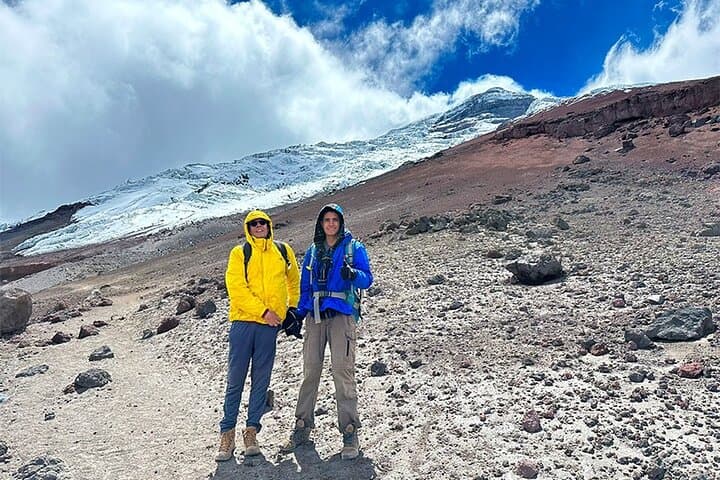
Practical guidance: altitude is the main challenge—drink water, limit exertion, and plan at least a day in Quito to acclimatize. Wear layered clothing (it can be freezing at the parking lot yet hot on exposed trails), sturdy hiking shoes for loose volcanic gravel, and strong sun protection. Expect an eight-hour round trip with lunch at a local restaurant and included park entrance and transport. The route is accessible for most fitness levels but respect the mountain: stay on trails, follow your guide, and allow extra time for slow, steady breathing.
moderate.
8 hours.
Basic aerobic fitness for short hikes at high altitude; ability to walk on uneven ground and ascend slowly at 4,600 m.
The itinerary runs about 8 hours round-trip, including driving, short hikes, lunch, and park time.
No—the tour reaches the parking and refuge area (~4,600 m) and nearby trails; crater ascents require mountaineering permits and technical gear.
Entrance to Cotopaxi National Park is included with this tour, per the itinerary details.
It’s not recommended for travelers with serious cardiovascular or spinal conditions due to high altitude and uneven terrain; consult your physician first.
Cotopaxi has been a landmark in Andean culture for centuries and sits on the historical Avenue of the Volcanoes; its name comes from Quichua language.
The park protects fragile páramo ecosystems and water sources; stay on trails, pack out waste, and follow guide instructions to minimize impact.
Real Dreams Tour operates guided outdoor trips and adventures with an emphasis on safety, stewardship, and memorable experiences.
You roll out of Quito before sunrise and the city shrinks behind you as the highland road climbs.
By mid-morning Cotopaxi fills the windshield: a perfect cone capped in snow, its slopes watching the valley below while the páramo grasses ripple in the wind. The air thins; every breath feels like a small negotiation.
You roll out of Quito before sunrise and the city shrinks behind you as the highland road climbs.
By mid-morning Cotopaxi fills the windshield: a perfect cone capped in snow, its slopes watching the valley below while the páramo grasses ripple in the wind. The air thins; every breath feels like a small negotiation.
Cotopaxi is a classic stratovolcano rising to about 5,897 meters, the second-highest peak in Ecuador and a focal point of the Avenue of the Volcanoes. Its Quichua name translates to “neck of the moon,” reflecting indigenous connections to the mountain and the fertile volcanic soils that sustained Andean communities for centuries. Geologically active and visually strict in form, Cotopaxi sits with neighbors like Rumiñahui and Sincholagua—each peak framing views that change with cloud and sun.
The tour moves deliberately: a drive to the park, a stop at the parking area near 4,600 m, a short hike toward Refugio Padre Rivas and a walk around Limpiopungo lagoon. Guides share local stories, point out páramo plants adapted to cold and UV, and explain park protections meant to preserve fragile soil and water sources.
Practical guidance: altitude is the main challenge—drink water, limit exertion, and plan at least a day in Quito to acclimatize. Wear layered clothing (it can be freezing at the parking lot yet hot on exposed trails), sturdy hiking shoes for loose volcanic gravel, and strong sun protection. Expect an eight-hour round trip with lunch at a local restaurant and included park entrance and transport. The route is accessible for most fitness levels but respect the mountain: stay on trails, follow your guide, and allow extra time for slow, steady breathing.