THE ADVENTURE COLLECTIVE® · Independent discovery and booking for outdoor travel

A full-day drive from Udaipur brings you to Chittorgarh Fort’s vast ramparts, palaces and commemorative towers. This guide outlines what to expect on the walk, key sites to see and practical tips for an efficient, safe visit.
A full-day drive from Udaipur brings you to Chittorgarh Fort’s vast ramparts, palaces and commemorative towers. This guide outlines what to expect on the walk, key sites to see and practical tips for an efficient, safe visit.
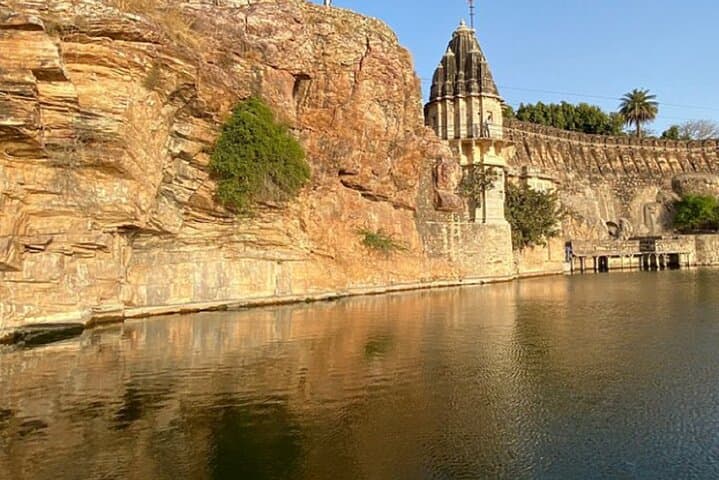
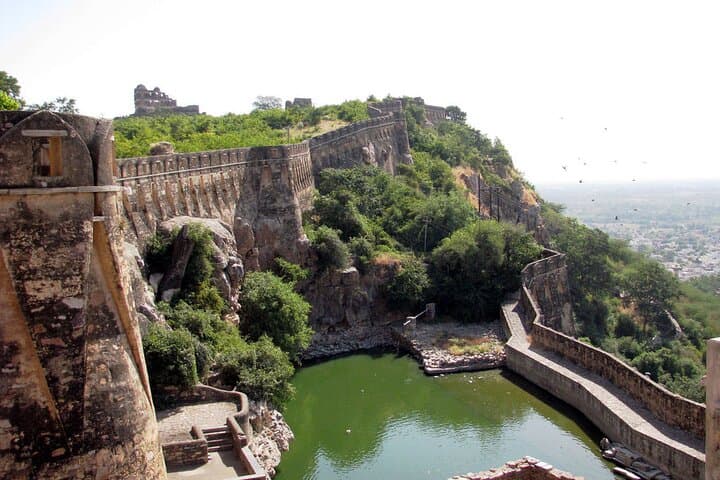
You arrive before the ramparts catch the late-morning sun: broad stone walls thrust upward from scrubby plains, daring you to follow narrow stairways to ruined palaces and temple courtyards. The wind pushes across the Berach valley and the fort answers with a low, stone creak as you climb.
Verified experiences and guided adventures in the surrounding area.
Operated by Jee Tours · Chittorgarh, Rajasthan
You arrive before the ramparts catch the late-morning sun: broad stone walls thrust upward from scrubby plains, daring you to follow narrow stairways to ruined palaces and temple courtyards. The wind pushes across the Berach valley and the fort answers with a low, stone creak as you climb.
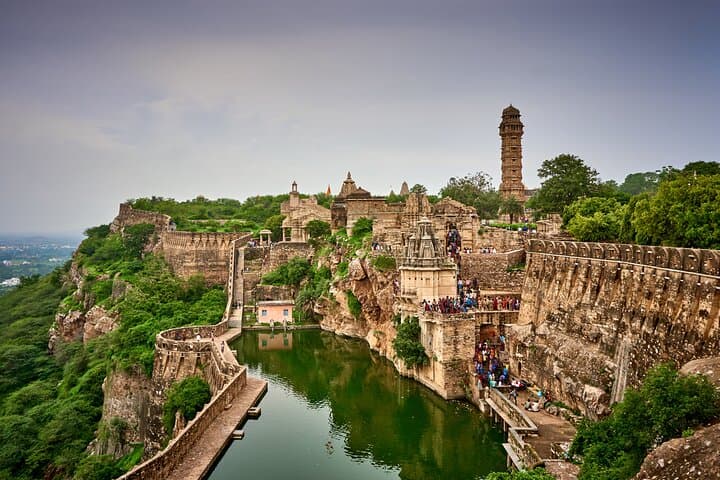
Chittorgarh Fort sits roughly 180 meters above the valley and sprawls across about 280 hectares — one of India’s largest hill forts and a UNESCO World Heritage site. Built up over centuries under Mewar rulers like Rana Kumbha, its landmarks include the Vijaya Stambha (Tower of Victory, 1448), the Kriti Stambha, Rana Kumbha Palace and the famed Padmini complex linked in local memory to the tales of Rani Padmini and Meerabai. Geologically, the fort rides a granite outcrop shaped by erosion; the stone steps and courtyards retain heat long after the sun moves on.
Expect uneven flagstones, long staircases and multiple boundary gates. A guided visit from Udaipur usually runs about eight hours total, with roughly 2½–3 hours each way by road (≈120 km one-way) and 2–3 hours inside the fort for a focused walk. Practicalities matter: entry tickets may be included depending on booking choice; transport is typically an air-conditioned private car. Wear sturdy closed shoes, carry 1–2 liters of water, sun protection and modest clothing for temple areas.
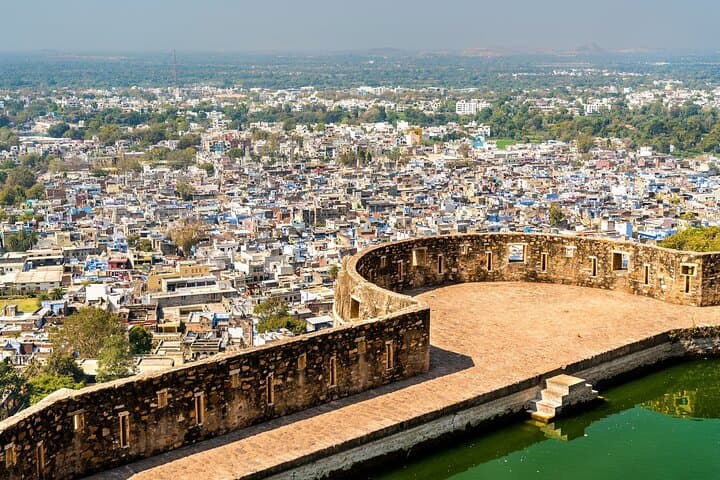
Plan to start early to avoid midday heat, allocate time for viewpoints along the southern ramparts, and respect barriers — fragile masonry is under conservation by national authorities. The day is part history lesson, part hillwalk: a disciplined, atmospheric outing that rewards attentive pacing and good planning.
moderate.
8 hours (total).
Suitable for travelers comfortable with several hours of walking, stairs and uneven stone surfaces.
Expect about 2½–3 hours each way by car (roughly 115–125 km depending on route and traffic).
Entry tickets are included only if selected at booking; confirm with the operator before arrival and keep ID handy for any concessions.
Many areas have steep stairs and uneven stone; mobility-impaired visitors will find limited accessible routes and should check in advance for possible drop-off points near lower courtyards.
Basic restroom facilities and small stalls are available near major entrances; bring snacks and water for the walking sections, as options inside the fort are limited.
Chittorgarh was the medieval capital of Mewar and saw multiple sieges; monuments like the Vijaya Stambha commemorate victories and royal patronage in the 15th century.
The Archaeological Survey of India manages much of the fort’s conservation; visitors should avoid touching fragile carvings and stick to marked paths to reduce wear.
Jee Tours operates guided outdoor trips and adventures with an emphasis on safety, stewardship, and memorable experiences.
You arrive before the ramparts catch the late-morning sun: broad stone walls thrust upward from scrubby plains, daring you to follow narrow stairways to ruined palaces and temple courtyards. The wind pushes across the Berach valley and the fort answers with a low, stone creak as you climb.
You arrive before the ramparts catch the late-morning sun: broad stone walls thrust upward from scrubby plains, daring you to follow narrow stairways to ruined palaces and temple courtyards. The wind pushes across the Berach valley and the fort answers with a low, stone creak as you climb.
Chittorgarh Fort sits roughly 180 meters above the valley and sprawls across about 280 hectares — one of India’s largest hill forts and a UNESCO World Heritage site. Built up over centuries under Mewar rulers like Rana Kumbha, its landmarks include the Vijaya Stambha (Tower of Victory, 1448), the Kriti Stambha, Rana Kumbha Palace and the famed Padmini complex linked in local memory to the tales of Rani Padmini and Meerabai. Geologically, the fort rides a granite outcrop shaped by erosion; the stone steps and courtyards retain heat long after the sun moves on.
Expect uneven flagstones, long staircases and multiple boundary gates. A guided visit from Udaipur usually runs about eight hours total, with roughly 2½–3 hours each way by road (≈120 km one-way) and 2–3 hours inside the fort for a focused walk. Practicalities matter: entry tickets may be included depending on booking choice; transport is typically an air-conditioned private car. Wear sturdy closed shoes, carry 1–2 liters of water, sun protection and modest clothing for temple areas.
Plan to start early to avoid midday heat, allocate time for viewpoints along the southern ramparts, and respect barriers — fragile masonry is under conservation by national authorities. The day is part history lesson, part hillwalk: a disciplined, atmospheric outing that rewards attentive pacing and good planning.