THE ADVENTURE COLLECTIVE® · Independent discovery and booking for outdoor travel

Spend a full day east of Ulaanbaatar exploring the towering Genghis Khan statue and a reconstructed 13th-century theme park. This private tour blends history, hands-on cultural demonstrations, and steppe scenery with practical logistics such as hotel pickup and lunch included.
Spend a full day east of Ulaanbaatar exploring the towering Genghis Khan statue and a reconstructed 13th-century theme park. This private tour blends history, hands-on cultural demonstrations, and steppe scenery with practical logistics such as hotel pickup and lunch included.
You roll east out of Ulaanbaatar on a ribbon of gravel and asphalt; the steppe breathes around the vehicle, its wind nudging at your window like a persistent guide.
Verified experiences and guided adventures in the surrounding area.
Operated by Nomadic Tourism tour agency · Tsonjin Boldog, Töv Province
You roll east out of Ulaanbaatar on a ribbon of gravel and asphalt; the steppe breathes around the vehicle, its wind nudging at your window like a persistent guide.
By mid-morning the Genghis Khan Equestrian Statue rises from the plain — a dramatic, stainless-steel horse and rider set above a museum and viewing platform. The statue celebrates the 13th-century Mongol empire and serves as an entry point to a nearby 13th-century theme park that reconstructs relay stations, palace life, shamanic practice, and nomadic herding.
Geology here is simple but telling: wind-swept loess soils and rolling steppe formed by millennia of glacial and fluvial action, a flat stage the Mongols once crossed with speed and purpose. Culturally, the park concentrates rituals, clothing, and crafts from the era — you’ll see traditional costumes, bronze-age arms on display, and demonstrations by craftsmen and writers who explain script and oral history.
Expect bumpy roads between stops, short walks through displays, and opportunities to ride a camel or trial horse at the herder’s camp. The site’s museum screens a short documentary about the complex and the statue’s construction.
Practical guidance: bring layered windproof clothing, sturdy shoes for uneven paths, sun protection, and cash for small purchases or tips. Tours typically include hotel pickup, an English-speaking guide, lunch at the King Palace, and national park fees. Allow eight hours total for travel, exploration, and return to Ulaanbaatar — the day moves deliberately, like a horse paced for distance.
Respect local ger etiquette, follow guide instructions at animal encounters, and plan for dust on the return drive.
moderate.
8 hours.
Moderate fitness—able to handle short walks, standing, and mounting a horse or camel for brief rides.
The round trip including stops takes about 8 hours; the theme park lies roughly 90–100 km east of Ulaanbaatar, with travel times affected by road conditions.
Short trial rides are offered at the herder’s camp—confirm availability and any age or weight limits with your guide in advance.
Children are welcome but must be supervised; some activities like animal rides may have age or height restrictions.
Most private tours provide guides who speak English; request language support when booking if you need another language.
The 40-meter equestrian statue commemorates Genghis Khan and anchors a reconstructed 13th-century theme park that interprets Mongol military, religious, and nomadic life; the statue complex opened in the 2000s as a national cultural landmark.
Stick to designated paths and avoid disturbing grazing areas; support local craftsmen by buying directly from artisans to keep cultural traditions economically viable.
Nomadic Tourism tour agency operates guided outdoor trips and adventures with an emphasis on safety, stewardship, and memorable experiences.
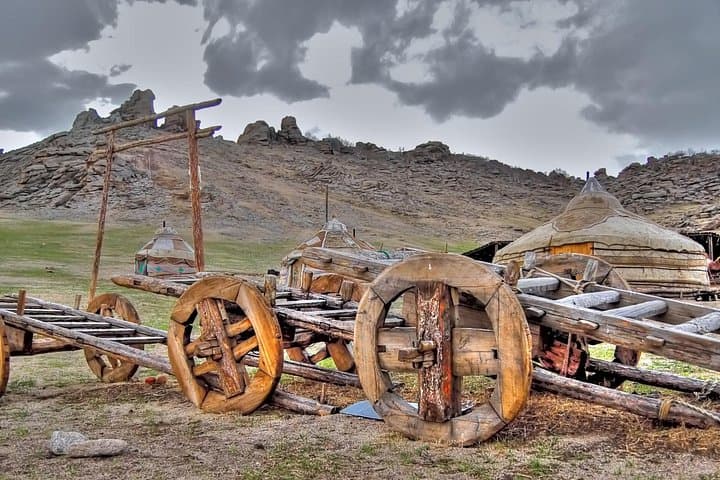
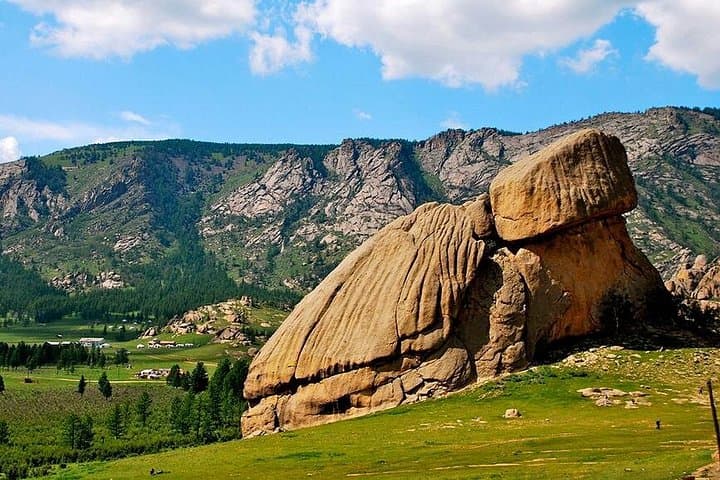
You roll east out of Ulaanbaatar on a ribbon of gravel and asphalt; the steppe breathes around the vehicle, its wind nudging at your window like a persistent guide.
You roll east out of Ulaanbaatar on a ribbon of gravel and asphalt; the steppe breathes around the vehicle, its wind nudging at your window like a persistent guide.
By mid-morning the Genghis Khan Equestrian Statue rises from the plain — a dramatic, stainless-steel horse and rider set above a museum and viewing platform. The statue celebrates the 13th-century Mongol empire and serves as an entry point to a nearby 13th-century theme park that reconstructs relay stations, palace life, shamanic practice, and nomadic herding.
Geology here is simple but telling: wind-swept loess soils and rolling steppe formed by millennia of glacial and fluvial action, a flat stage the Mongols once crossed with speed and purpose. Culturally, the park concentrates rituals, clothing, and crafts from the era — you’ll see traditional costumes, bronze-age arms on display, and demonstrations by craftsmen and writers who explain script and oral history.
Expect bumpy roads between stops, short walks through displays, and opportunities to ride a camel or trial horse at the herder’s camp. The site’s museum screens a short documentary about the complex and the statue’s construction.
Practical guidance: bring layered windproof clothing, sturdy shoes for uneven paths, sun protection, and cash for small purchases or tips. Tours typically include hotel pickup, an English-speaking guide, lunch at the King Palace, and national park fees. Allow eight hours total for travel, exploration, and return to Ulaanbaatar — the day moves deliberately, like a horse paced for distance.
Respect local ger etiquette, follow guide instructions at animal encounters, and plan for dust on the return drive.