THE ADVENTURE COLLECTIVE® · Independent discovery and booking for outdoor travel

Combine archaeology, cave-swimming and colonial charm in one full day from Cancún. Explore Chichén Itzá with a guide, swim in two dramatic cenotes, and stroll Valladolid’s main square.
Combine archaeology, cave-swimming and colonial charm in one full day from Cancún. Explore Chichén Itzá with a guide, swim in two dramatic cenotes, and stroll Valladolid’s main square.
You step off the bus before dawn and the limestone plain opens like a folded page; Kukulcán’s pyramid rises from the earth with a geometry that reads like an astronomical calendar. The morning air carries a cool dampness from the cenotes, and the guide’s voice threads history into the stones as tourists fan out to photograph the shadowed stairways.
Verified experiences and guided adventures in the surrounding area.
Operated by Caribe Páradise Tours · Pisté, Yucatán
You step off the bus before dawn and the limestone plain opens like a folded page; Kukulcán’s pyramid rises from the earth with a geometry that reads like an astronomical calendar. The morning air carries a cool dampness from the cenotes, and the guide’s voice threads history into the stones as tourists fan out to photograph the shadowed stairways.
Chichén Itzá was a major Maya city between the 9th and 12th centuries, where priests and astronomers aligned architecture to solstices and equinoxes. The site’s basalts and limestone benches record a landscape carved by time and water; the Yucatán is a karst platform, and cenotes like Ik Kil and Hubiku are holes where the underground aquifer meets the surface — pools that dared ancient people to interpret them as gateways to the underworld.
Valladolid provides a contrast: a colonial plaza, San Servacio church, and street vendors selling cochinita and hand-painted ceramics. The day stitches archaeology, geology, and living culture into a single loop — ruins, swims, and a short town walk.
Practical guidance: this is a long day (about 11–12 hours). Arrive with reef-safe sunscreen, a refillable water bottle, sturdy walking shoes, and swimwear for the cenotes; bring cash for the preservation tax and souvenirs. Expect uneven stone paths and midday sun; plan to move at a steady but unhurried pace. If you want fewer crowds, aim for the earliest pickups; otherwise, be ready for busy photo spots at peak times. Respect ropes and signs to help preserve fabric and the fragile cenotes below.
moderate.
11–12 hours.
Able to handle a long day of walking on uneven terrain and steps; suitable for most fitness levels with normal mobility
Entrance to Chichén Itzá is included, but a separate preservation tax is typically charged on-site (approx. USD 15 for adults); bring cash.
The tour lasts about 11–12 hours; pickup is offered from Cancún with designated meeting points and smaller vehicle transfers before joining the main coach.
Yes—both Ik Kil and Hubiku allow swimming; bring swimsuit, towel, and biodegradable sunscreen; life jackets are often available if requested.
Chichén Itzá and the cenotes have uneven ground and stairs; the tour notes it’s not recommended for those with serious spinal or heart conditions and some sites have limited accessibility.
Chichén Itzá was a regional center of the Maya world; its monuments encode astronomical cycles and civic functions dating from the Classic to Postclassic periods.
Visitors are asked to respect ropes and signage, pay the preservation fee, and use biodegradable products to protect cenote water quality and fragile archaeological fabric.
Caribe Páradise Tours operates guided outdoor trips and adventures with an emphasis on safety, stewardship, and memorable experiences.
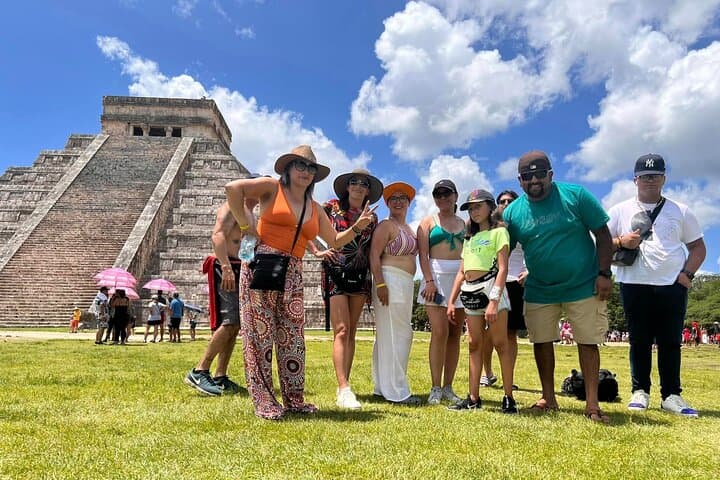
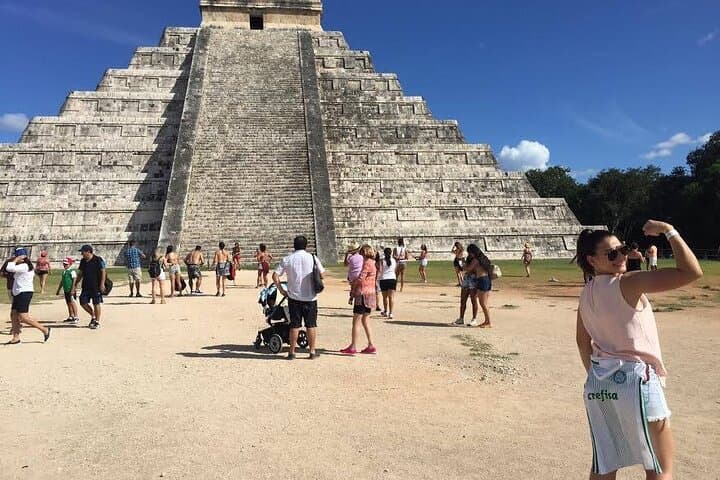
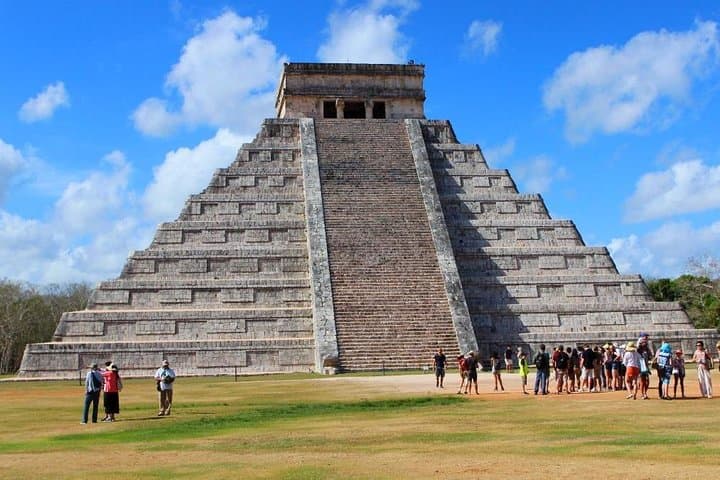
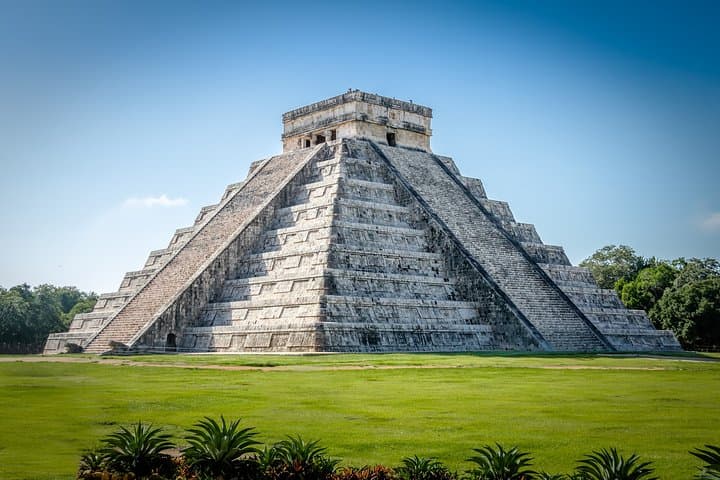
You step off the bus before dawn and the limestone plain opens like a folded page; Kukulcán’s pyramid rises from the earth with a geometry that reads like an astronomical calendar. The morning air carries a cool dampness from the cenotes, and the guide’s voice threads history into the stones as tourists fan out to photograph the shadowed stairways.
You step off the bus before dawn and the limestone plain opens like a folded page; Kukulcán’s pyramid rises from the earth with a geometry that reads like an astronomical calendar. The morning air carries a cool dampness from the cenotes, and the guide’s voice threads history into the stones as tourists fan out to photograph the shadowed stairways.
Chichén Itzá was a major Maya city between the 9th and 12th centuries, where priests and astronomers aligned architecture to solstices and equinoxes. The site’s basalts and limestone benches record a landscape carved by time and water; the Yucatán is a karst platform, and cenotes like Ik Kil and Hubiku are holes where the underground aquifer meets the surface — pools that dared ancient people to interpret them as gateways to the underworld.
Valladolid provides a contrast: a colonial plaza, San Servacio church, and street vendors selling cochinita and hand-painted ceramics. The day stitches archaeology, geology, and living culture into a single loop — ruins, swims, and a short town walk.
Practical guidance: this is a long day (about 11–12 hours). Arrive with reef-safe sunscreen, a refillable water bottle, sturdy walking shoes, and swimwear for the cenotes; bring cash for the preservation tax and souvenirs. Expect uneven stone paths and midday sun; plan to move at a steady but unhurried pace. If you want fewer crowds, aim for the earliest pickups; otherwise, be ready for busy photo spots at peak times. Respect ropes and signs to help preserve fabric and the fragile cenotes below.