THE ADVENTURE COLLECTIVE® · Independent discovery and booking for outdoor travel

Spend a full day exploring Chichén Itzá’s monumental Kukulkan pyramid, cooling off in two limestone cenotes (Ik Kil and Hubiku), and walking the colonial streets of Valladolid. This guided, luxury-style tour from Cancún packs history, geology and a refreshing swim into one long day.
Spend a full day exploring Chichén Itzá’s monumental Kukulkan pyramid, cooling off in two limestone cenotes (Ik Kil and Hubiku), and walking the colonial streets of Valladolid. This guided, luxury-style tour from Cancún packs history, geology and a refreshing swim into one long day.
A morning bus eases out of Cancún while humid air presses gently against the windows. By midmorning the city grid gives way to low scrub and limestone bedrock; the tour’s first pulse is the Kukulkan pyramid rising above the plaza at Chichén Itzá. Guides move through the site with practiced cadence, pointing out the Temple of the Warriors, the Observatory, the Sacred Cenote and the echoing stone of the ball court where threaded blows once decided fate.
Verified experiences and guided adventures in the surrounding area.
Operated by Holidays Travel Cancun · Piste, Yucatán
A morning bus eases out of Cancún while humid air presses gently against the windows. By midmorning the city grid gives way to low scrub and limestone bedrock; the tour’s first pulse is the Kukulkan pyramid rising above the plaza at Chichén Itzá. Guides move through the site with practiced cadence, pointing out the Temple of the Warriors, the Observatory, the Sacred Cenote and the echoing stone of the ball court where threaded blows once decided fate.
Chichén Itzá sits where the northern Yucatán’s porous limestone meets underground rivers; cenotes like Ik Kil and Hubiku are roofless wells in a collapsed karst, their waters fed by the same aquifer that sustained the Maya. Valladolid, a colonial town with a strong Mayan presence, offers a short cultural counterpoint—Spanish-era churches, low‑rise homes, and street-food stalls selling long‑standing recipes.
Expect 11–12 hours on a structured itinerary: guided time at Chichén Itzá, swimming windows at two managed cenotes, buffet lunch and free time in Valladolid. Terrain is flat but involves steps and uneven surfaces in the archaeological zone and stair access at cenotes. Weather is tropical—hot and often humid—so plan for sun, sudden showers, and slippery stone near water.
Practical: bring biodegradable sunscreen or rinse before entering cenotes, wear sturdy sandals or light hiking shoes, and carry cash for small purchases. Arrive hydrated and pace photography during the guided portion so you can fully enjoy the swim and the town stroll later in the day.
easy.
11–12 hours.
Suitable for average fitness; involves walking on uneven surfaces and stairs but no sustained climbs.
Yes—this tour includes admission to Chichén Itzá and both listed cenotes, as well as the buffet and box lunch described.
Yes; there are scheduled stops to swim at Ik Kil and Hubiku, with changing areas and staff-managed access—follow lifeguard instructions.
The tour is family-friendly for most children but not recommended for pregnant travelers or those with serious spinal or cardiovascular issues due to stairs and uneven terrain.
You’ll have roughly 20–30 minutes of free time to stroll the main plaza, visit San Gervasio Church, and buy small souvenirs; timing can vary by itinerary changes.
Chichén Itzá was a major Maya regional center between the Late Classic and Postclassic periods; its architecture reflects Maya and central Mexican influences, with Kukulkan serving astronomical and ceremonial roles.
Cenotes are fragile karst-fed freshwater systems—follow rules about sunscreen and trash, avoid single-use plastics, and use designated paths to limit erosion.
Holidays Travel Cancun operates guided outdoor trips and adventures with an emphasis on safety, stewardship, and memorable experiences.
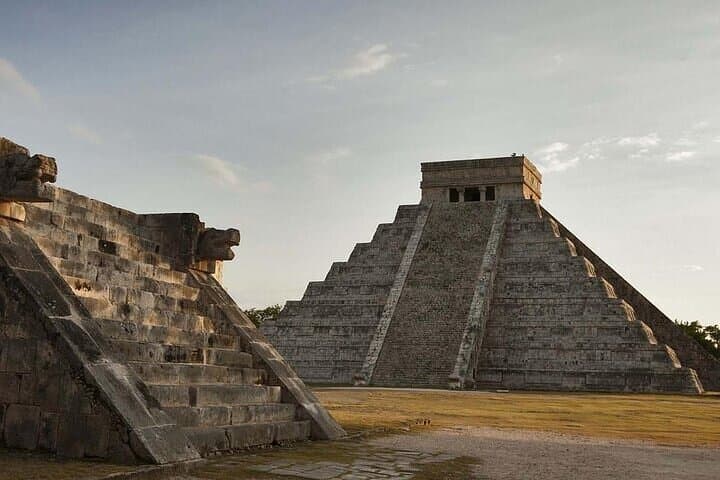


A morning bus eases out of Cancún while humid air presses gently against the windows. By midmorning the city grid gives way to low scrub and limestone bedrock; the tour’s first pulse is the Kukulkan pyramid rising above the plaza at Chichén Itzá. Guides move through the site with practiced cadence, pointing out the Temple of the Warriors, the Observatory, the Sacred Cenote and the echoing stone of the ball court where threaded blows once decided fate.
A morning bus eases out of Cancún while humid air presses gently against the windows. By midmorning the city grid gives way to low scrub and limestone bedrock; the tour’s first pulse is the Kukulkan pyramid rising above the plaza at Chichén Itzá. Guides move through the site with practiced cadence, pointing out the Temple of the Warriors, the Observatory, the Sacred Cenote and the echoing stone of the ball court where threaded blows once decided fate.
Chichén Itzá sits where the northern Yucatán’s porous limestone meets underground rivers; cenotes like Ik Kil and Hubiku are roofless wells in a collapsed karst, their waters fed by the same aquifer that sustained the Maya. Valladolid, a colonial town with a strong Mayan presence, offers a short cultural counterpoint—Spanish-era churches, low‑rise homes, and street-food stalls selling long‑standing recipes.
Expect 11–12 hours on a structured itinerary: guided time at Chichén Itzá, swimming windows at two managed cenotes, buffet lunch and free time in Valladolid. Terrain is flat but involves steps and uneven surfaces in the archaeological zone and stair access at cenotes. Weather is tropical—hot and often humid—so plan for sun, sudden showers, and slippery stone near water.
Practical: bring biodegradable sunscreen or rinse before entering cenotes, wear sturdy sandals or light hiking shoes, and carry cash for small purchases. Arrive hydrated and pace photography during the guided portion so you can fully enjoy the swim and the town stroll later in the day.