THE ADVENTURE COLLECTIVE® · Independent discovery and booking for outdoor travel

Explore the monumental Kukulkan pyramid at Chichén Itzá, then cool off with swims in the Ik Kil and Hubiku cenotes and a cultural stop in Valladolid. This full-day excursion combines archaeology, geology and local flavors with practical guidance for a long but rewarding day.
Explore the monumental Kukulkan pyramid at Chichén Itzá, then cool off with swims in the Ik Kil and Hubiku cenotes and a cultural stop in Valladolid. This full-day excursion combines archaeology, geology and local flavors with practical guidance for a long but rewarding day.
You arrive before the heat fully sets in: limestone monuments throw long shadows across sunbaked plaza stones while a warm breeze brushes through scrub and ceiba trees. The Kukulkan pyramid rises with precise angles that still mark solstices, and the guide’s voice threads history into the hush of the site.
Verified experiences and guided adventures in the surrounding area.
Operated by Top Travel Connection · Chichén Itzá, Yucatán
You arrive before the heat fully sets in: limestone monuments throw long shadows across sunbaked plaza stones while a warm breeze brushes through scrub and ceiba trees. The Kukulkan pyramid rises with precise angles that still mark solstices, and the guide’s voice threads history into the hush of the site.
Chichén Itzá was a major Maya center between the 8th and 12th centuries; its architecture reflects astronomy, ritual and regional trade. The surrounding Yucatán is a karst plain riddled with cenotes—collapsed sinkholes that channel an underground river system carved from limestone over millennia. Cultural notes follow the stones: the Convent of San Bernardino and Valladolid’s pastel façades speak to colonial exchange and local identity.
After the archaeological visit, the tour moves to cool water: Ik Kil’s open cenote drops into a green shaft ringed by vines, while Hubiku’s ecotourism center highlights a cavernous, semi-open well where sunbeams slice the water. Expect guided swimming with life vests, strict changing and shower rules to protect the fragile aquifer, and a buffet lunch in local style with regional flavors and live music in Valladolid.
Practical edge: bring reef-safe sunscreen, a quick-dry swimsuit, sturdy walking shoes for uneven stone, and a refillable water bottle. Timing matters—start early to avoid the highest sun and the biggest crowds. The day is long (12–15 hours), so prepare for a full schedule with transport between sites and brief free time in Valladolid for photos or market snacks.
easy.
12–15 hours.
Suitable for most fitness levels; participants should be able to walk on uneven surfaces and manage stairs and steps at the ruins.
The tour operates for approximately 12–15 hours, including round-trip transport from Cancún and time at each site.
Yes—swimming time is supervised, life vests are provided, and centers enforce showering and safety rules.
Yes—a regional buffet lunch and bottled water are included in the tour, often accompanied by traditional music and dance in Valladolid.
The itinerary typically includes a 30-minute guided or panoramic stop with brief free time; extended independent exploration is limited by the group schedule.
Chichén Itzá rose to prominence as a regional capital between the Classic and Postclassic Maya periods; the Kukulkan pyramid encodes astronomical knowledge and seasonal cycles.
Cenotes are part of a fragile karst aquifer—follow showering rules, use biodegradable products, and respect signage to minimize pollution and erosion; local ecotourism centers reinvest fees into conservation and community programs.
Top Travel Connection operates guided outdoor trips and adventures with an emphasis on safety, stewardship, and memorable experiences.
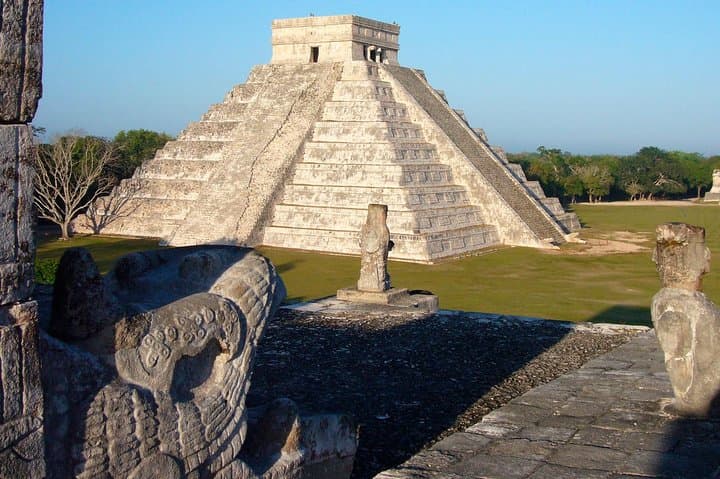
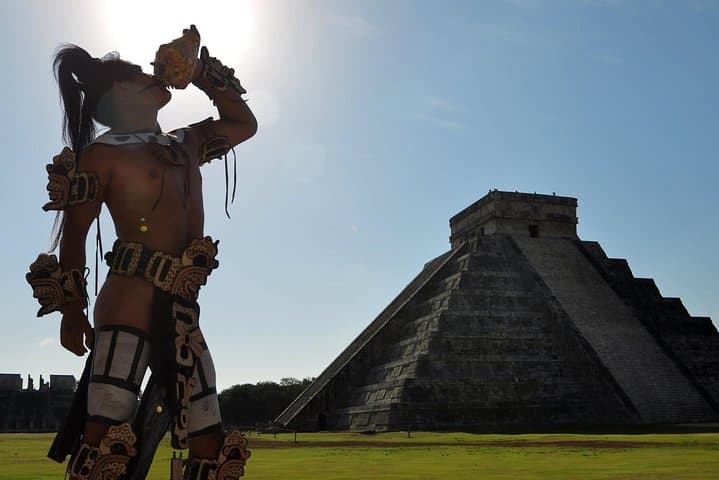
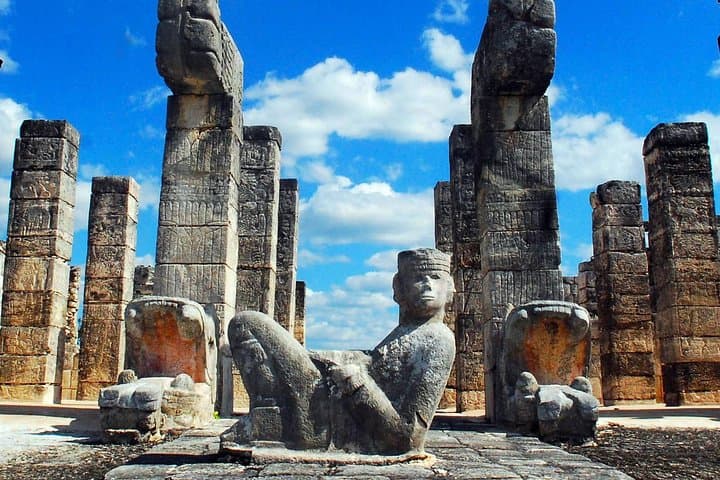
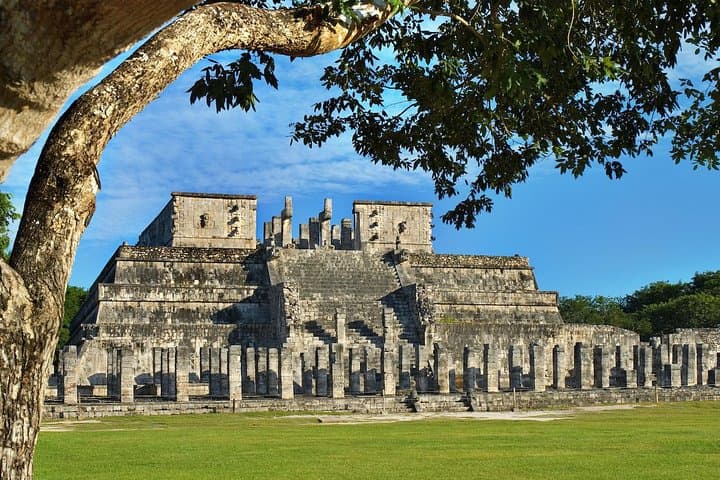
You arrive before the heat fully sets in: limestone monuments throw long shadows across sunbaked plaza stones while a warm breeze brushes through scrub and ceiba trees. The Kukulkan pyramid rises with precise angles that still mark solstices, and the guide’s voice threads history into the hush of the site.
You arrive before the heat fully sets in: limestone monuments throw long shadows across sunbaked plaza stones while a warm breeze brushes through scrub and ceiba trees. The Kukulkan pyramid rises with precise angles that still mark solstices, and the guide’s voice threads history into the hush of the site.
Chichén Itzá was a major Maya center between the 8th and 12th centuries; its architecture reflects astronomy, ritual and regional trade. The surrounding Yucatán is a karst plain riddled with cenotes—collapsed sinkholes that channel an underground river system carved from limestone over millennia. Cultural notes follow the stones: the Convent of San Bernardino and Valladolid’s pastel façades speak to colonial exchange and local identity.
After the archaeological visit, the tour moves to cool water: Ik Kil’s open cenote drops into a green shaft ringed by vines, while Hubiku’s ecotourism center highlights a cavernous, semi-open well where sunbeams slice the water. Expect guided swimming with life vests, strict changing and shower rules to protect the fragile aquifer, and a buffet lunch in local style with regional flavors and live music in Valladolid.
Practical edge: bring reef-safe sunscreen, a quick-dry swimsuit, sturdy walking shoes for uneven stone, and a refillable water bottle. Timing matters—start early to avoid the highest sun and the biggest crowds. The day is long (12–15 hours), so prepare for a full schedule with transport between sites and brief free time in Valladolid for photos or market snacks.