THE ADVENTURE COLLECTIVE® · Independent discovery and booking for outdoor travel

Explore Chichén Itzá’s astronomical pyramids, swim in the cool blue of Cenote Saamal, and wander the colonial streets of Valladolid on a full-day trip from Tulum. This guided excursion blends Maya ritual, geology, and local cuisine into an immersive 11–12 hour experience.
Explore Chichén Itzá’s astronomical pyramids, swim in the cool blue of Cenote Saamal, and wander the colonial streets of Valladolid on a full-day trip from Tulum. This guided excursion blends Maya ritual, geology, and local cuisine into an immersive 11–12 hour experience.
You step off the bus into a broad plaza where limestone steps throw clean shadows and the air smells faintly of citrus and sun-warmed stone.
Verified experiences and guided adventures in the surrounding area.
Operated by Stap Travel · Chichén Itzá, Yucatán
You step off the bus into a broad plaza where limestone steps throw clean shadows and the air smells faintly of citrus and sun-warmed stone.
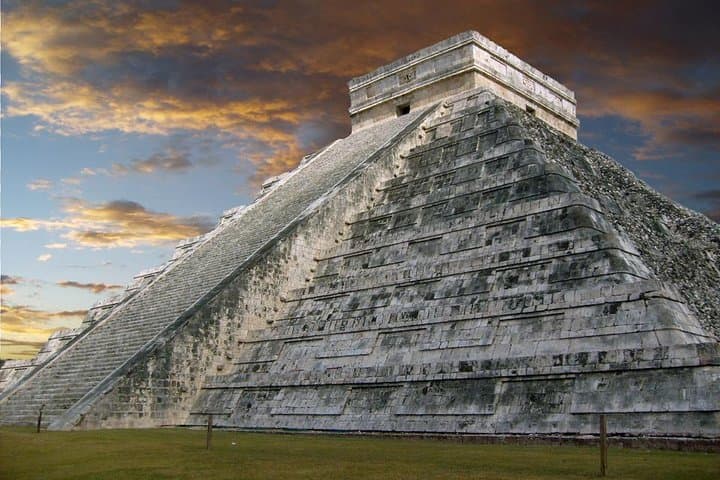
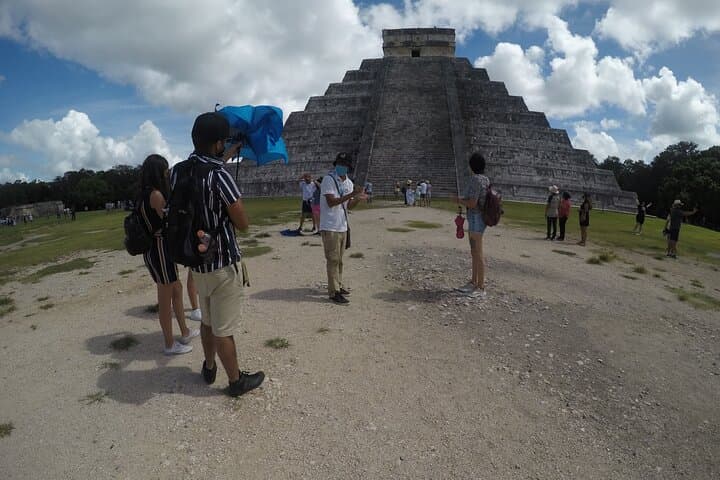
The Pyramid of Kukulkán rises ahead, its staircases a calendar in three dimensions; nearby, the Sacred Cenote yaws like a dark, ancient eye. Later you’ll trade carved stone for cool, turquoise water as Cenote Saamal invites you down wooden steps into a semi-open cavern where light pools on the surface.
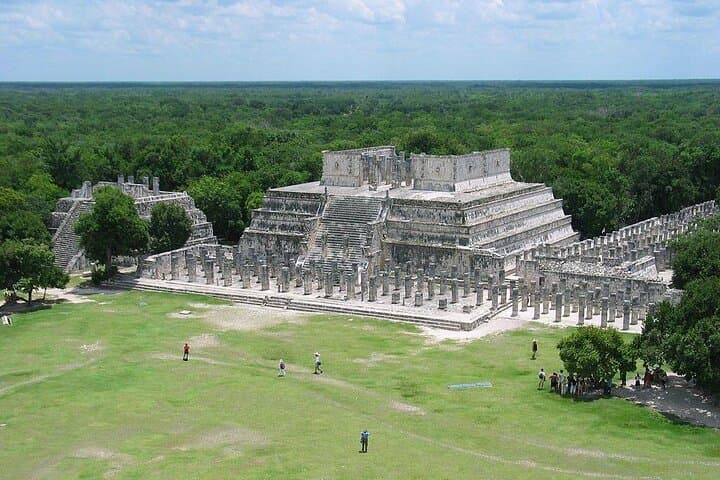
This corridor of experiences threads Mayan astronomy and ritual with colonial history. Chichén Itzá was a regional capital where priests read the heavens, building structures aligned to solstices; the Sacred Cenote once received offerings to the gods. Geologically, the Yucatán is a low, porous limestone plain—cenotes are collapsed sections of that karst, exposing groundwater and creating dramatic swim spots.
Culturally the route moves from a shaman-led ceremony at Villa Magna to a buffet of Yucatecan classics—cochinita pibil, lime-soured black beans—and finishes with free time in Valladolid’s pastel streets and the 16th-century San Servacio church.
Practical notes: expect an 11–12 hour day with a moderate pace, carry local cash for the preservation tax (approximately USD 22 adult / USD 19 child), and plan for life-jacket rental and optional locker fees on-site. Bring swimwear under clothes, sun protection, and comfortable shoes for uneven ruins. The cenote has stairs and a wooden platform; follow guides and signage to protect both the sites and the fragile cenote ecosystem.
moderate.
11–12 hours.
Suitable for people in average fitness; expect several short walks at archaeological sites and stairs into the cenote.
Round transportation from Tulum is included, but there is no hotel pickup — the meeting point is Super Aki Market in Tulum City.
Admission to Chichén Itzá and the cenote access are included, but the local preservation tax (approx. USD 22 adult / USD 19 child) is paid onsite and not included in the tour price.
Yes — children may swim but must be accompanied by an adult; life jackets are mandatory and available for a small rental fee.
Yes — there are basic restroom facilities and optional lockers for a small fee (typically around USD 5) to store belongings while you swim.
Chichén Itzá was a major Maya city that flourished from the Late Classic into the Early Postclassic; Valladolid was founded in the colonial era and reflects a blend of Spanish and Maya influences.
Visitors pay a preservation tax to support site maintenance; help protect both ruins and cenotes by not touching carvings, avoiding sunscreen in the water unless reef-safe formulations are used, and taking trash with you.
Stap Travel operates guided outdoor trips and adventures with an emphasis on safety, stewardship, and memorable experiences.

You step off the bus into a broad plaza where limestone steps throw clean shadows and the air smells faintly of citrus and sun-warmed stone.
You step off the bus into a broad plaza where limestone steps throw clean shadows and the air smells faintly of citrus and sun-warmed stone.
The Pyramid of Kukulkán rises ahead, its staircases a calendar in three dimensions; nearby, the Sacred Cenote yaws like a dark, ancient eye. Later you’ll trade carved stone for cool, turquoise water as Cenote Saamal invites you down wooden steps into a semi-open cavern where light pools on the surface.
This corridor of experiences threads Mayan astronomy and ritual with colonial history. Chichén Itzá was a regional capital where priests read the heavens, building structures aligned to solstices; the Sacred Cenote once received offerings to the gods. Geologically, the Yucatán is a low, porous limestone plain—cenotes are collapsed sections of that karst, exposing groundwater and creating dramatic swim spots.
Culturally the route moves from a shaman-led ceremony at Villa Magna to a buffet of Yucatecan classics—cochinita pibil, lime-soured black beans—and finishes with free time in Valladolid’s pastel streets and the 16th-century San Servacio church.
Practical notes: expect an 11–12 hour day with a moderate pace, carry local cash for the preservation tax (approximately USD 22 adult / USD 19 child), and plan for life-jacket rental and optional locker fees on-site. Bring swimwear under clothes, sun protection, and comfortable shoes for uneven ruins. The cenote has stairs and a wooden platform; follow guides and signage to protect both the sites and the fragile cenote ecosystem.