THE ADVENTURE COLLECTIVE® · Independent discovery and booking for outdoor travel

Spend a full day exploring Chichén Itzá’s monumental ruins, cooling off in the dramatic Ik Kil cenote, and wandering colonial Valladolid. This semi-private, all-inclusive tour combines guided history, a supervised swim, and round-trip transport from the Riviera Maya.
Spend a full day exploring Chichén Itzá’s monumental ruins, cooling off in the dramatic Ik Kil cenote, and wandering colonial Valladolid. This semi-private, all-inclusive tour combines guided history, a supervised swim, and round-trip transport from the Riviera Maya.
The bus eases off the coastal highway and the Yucatán opens: flat limestone plains dotted with low scrub and the silhouettes of Ceiba trees. Within an hour the air feels different—dryer, older—like walking into a place where stone remembers. At Chichén Itzá the Pyramid of Kukulcán dominates the plaza, geometric and exact, while the grove-quiet of the sinkholes waits elsewhere for the cooling plunge.
Verified experiences and guided adventures in the surrounding area.
Operated by OlMar Travel Mexico · Valladolid, Yucatán
The bus eases off the coastal highway and the Yucatán opens: flat limestone plains dotted with low scrub and the silhouettes of Ceiba trees. Within an hour the air feels different—dryer, older—like walking into a place where stone remembers. At Chichén Itzá the Pyramid of Kukulcán dominates the plaza, geometric and exact, while the grove-quiet of the sinkholes waits elsewhere for the cooling plunge.
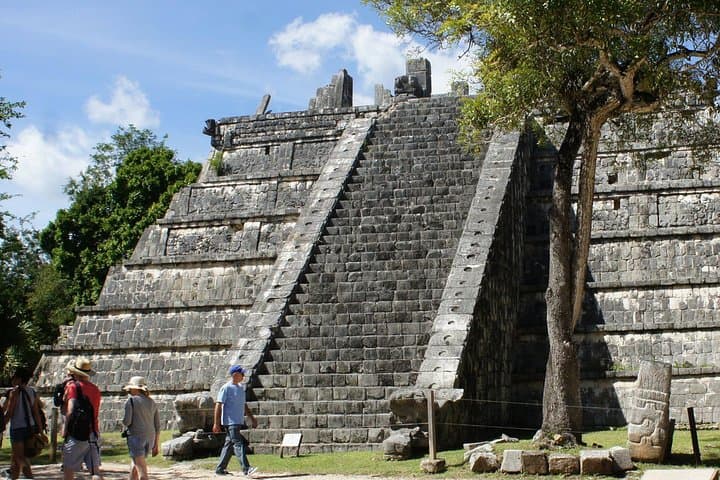
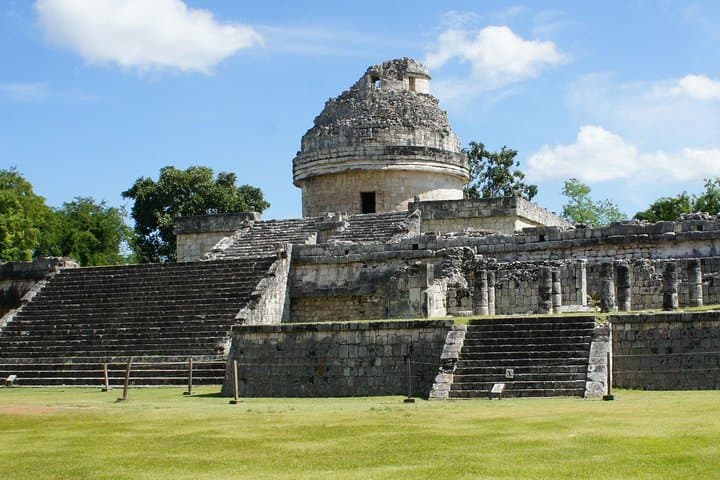
Chichén Itzá grew as a major Mayan and later Postclassic center; its ballcourt, observatory, and stepped pyramid speak to astronomy, ritual, and political power. The geological story beneath is karst: soluble limestone that lets cenotes form where the water table meets the surface. Ik Kil is one of the more accessible cenotes—an open, circular well dripping with vines and humidity, its walls alive with ferns and bats.
Valladolid provides a contrasting finish: a compact colonial grid, painted facades, and a church plaza where local life hums. Practicalities matter—this is a long day with regional drives, a guided history walkthrough at Chichén Itzá, a supervised swim at Ik Kil (life vests provided), and short free time in Valladolid.
Expect a full-day rhythm: early pickup, three hours at the ruins including guided narration, two hours at the cenote for swimming and lunch, and a brief stroll in town. Bring biodegradable sunscreen, cash for small purchases and lockers, comfortable walking shoes, and a swimsuit. Timing your visit earlier in the day reduces crowds and the midday heat, and by observing local conservation rules—no oil-based sunscreen in the water—you help protect fragile underground ecosystems.
easy.
10–12 hours.
Suitable for people comfortable with a long day of walking and short swims; minimal sustained exertion required.
The tour runs about 10–12 hours depending on pickup location and traffic—expect an early morning departure and evening return.
Yes; Ik Kil swim time is organized and life vests are provided; attendants are on site for safety and changing rooms and showers are available.
Yes—this semi-private tour includes Chichén Itzá and Ik Kil entrance fees, buffet lunch with one drink, and round-trip transportation from specified pickup zones.
The tour is listed as physically easy, but Chichén Itzá has uneven terrain and some stairs; infants must sit on an adult’s lap during transport and accessibility varies on site.
Chichén Itzá was a major pre-Columbian city where Mayan astronomical knowledge and ritual power shaped its architecture; later influences show Toltec-Maya cultural exchange.
Cenotes are fragile aquifers—avoid soaps and non-biodegradable products, follow guard rules, and support local guides who contribute to preservation efforts.
OlMar Travel Mexico operates guided outdoor trips and adventures with an emphasis on safety, stewardship, and memorable experiences.
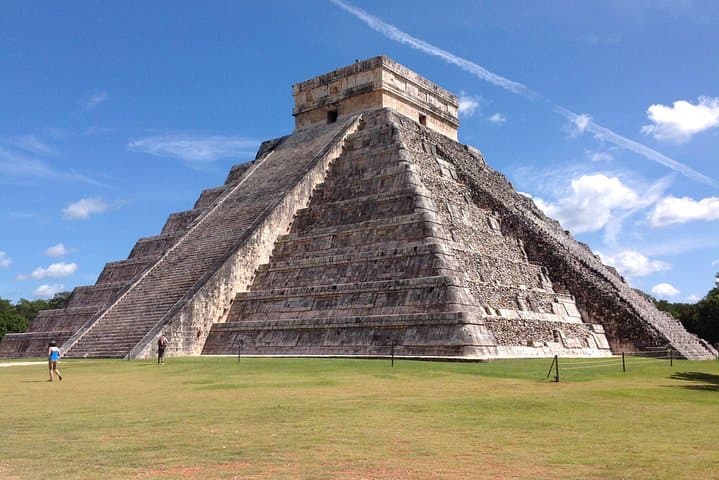
The bus eases off the coastal highway and the Yucatán opens: flat limestone plains dotted with low scrub and the silhouettes of Ceiba trees. Within an hour the air feels different—dryer, older—like walking into a place where stone remembers. At Chichén Itzá the Pyramid of Kukulcán dominates the plaza, geometric and exact, while the grove-quiet of the sinkholes waits elsewhere for the cooling plunge.
The bus eases off the coastal highway and the Yucatán opens: flat limestone plains dotted with low scrub and the silhouettes of Ceiba trees. Within an hour the air feels different—dryer, older—like walking into a place where stone remembers. At Chichén Itzá the Pyramid of Kukulcán dominates the plaza, geometric and exact, while the grove-quiet of the sinkholes waits elsewhere for the cooling plunge.
Chichén Itzá grew as a major Mayan and later Postclassic center; its ballcourt, observatory, and stepped pyramid speak to astronomy, ritual, and political power. The geological story beneath is karst: soluble limestone that lets cenotes form where the water table meets the surface. Ik Kil is one of the more accessible cenotes—an open, circular well dripping with vines and humidity, its walls alive with ferns and bats.
Valladolid provides a contrasting finish: a compact colonial grid, painted facades, and a church plaza where local life hums. Practicalities matter—this is a long day with regional drives, a guided history walkthrough at Chichén Itzá, a supervised swim at Ik Kil (life vests provided), and short free time in Valladolid.
Expect a full-day rhythm: early pickup, three hours at the ruins including guided narration, two hours at the cenote for swimming and lunch, and a brief stroll in town. Bring biodegradable sunscreen, cash for small purchases and lockers, comfortable walking shoes, and a swimsuit. Timing your visit earlier in the day reduces crowds and the midday heat, and by observing local conservation rules—no oil-based sunscreen in the water—you help protect fragile underground ecosystems.